
Upcycled Chardonnay Marc Reduces Taste Masking Needs in Functional F&B, Study Shows
US research indicates upcycled Chardonnay grape marc offers a balanced taste profile with low bitterness, potentially reducing the need for costly taste-masking agents in functional foods and beverages.
AI-assisted coverage: produced by SF News' automated newsroom from the cited sources and checked by automated attribution gates. Editorial responsibility: Lee Smith, Group CEO. How we work →
Knoxville, United States — 03 June 2026
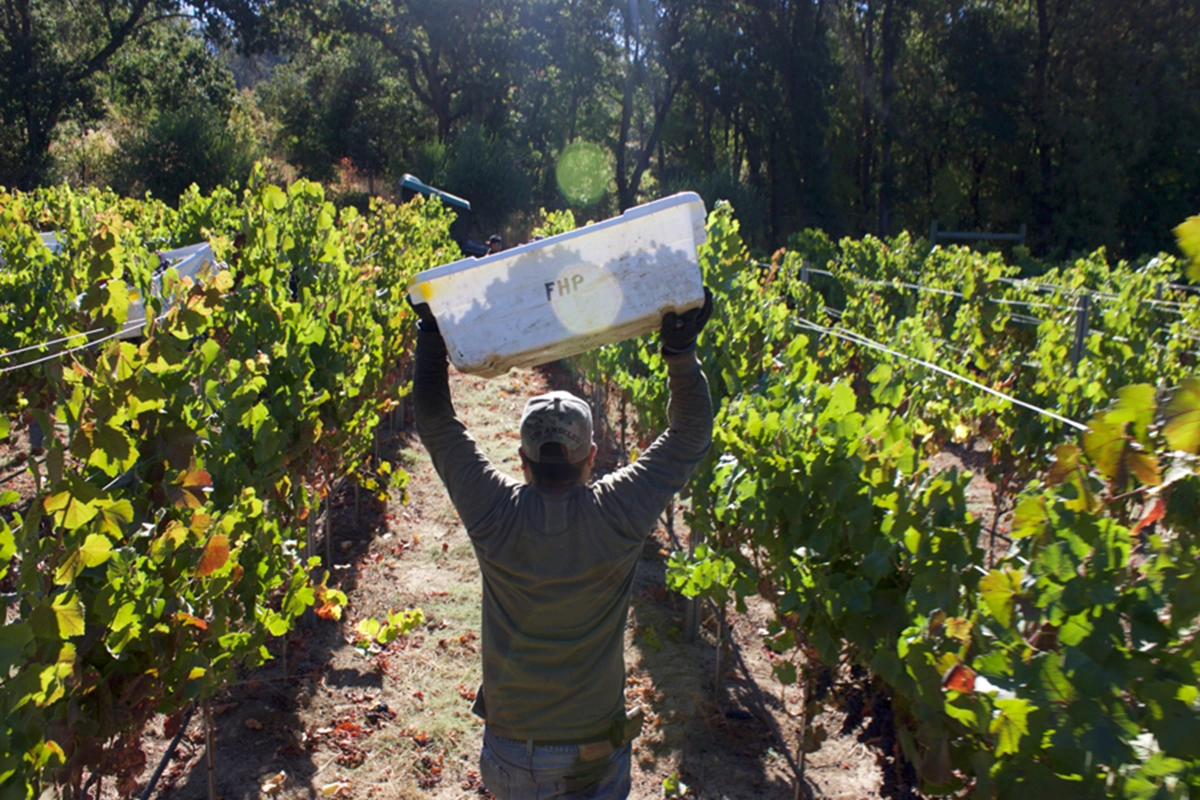
Upcycled Chardonnay grape marc presents significant opportunities for functional food and beverage formulation, according to sensory research conducted by US scientists. The ingredient, derived from the skins, seeds, and solids remaining after winemaking and commercialised by Sonomaceuticals as WellVine, exhibits mild natural sweetness and notably low bitterness. This profile could enable manufacturers to develop more palatable functional products while simultaneously reducing reliance on expensive and complex flavour-masking additives, as reported by Food Ingredients First.
The study, published in the Journal of Agricultural and Food Chemistry, identified 39 taste-active compounds in Chardonnay marc. However, only a smaller subset significantly influenced the overall taste profile, demonstrating a “matrix effect” where compounds interact to buffer otherwise bitter or astringent notes. This contrasts with isolated functional ingredients like inulin or green tea polyphenols, which often introduce off-notes requiring extensive remediation. Scott Forsberg, COO of WellVine, highlights that this inherent sensory balance provides formulators with a “starting-point advantage,” simplifying product development and potentially accelerating time-to-market.
Beyond sensory benefits, Chardonnay marc supports clean label and sustainability objectives. Sourced from Jackson Family Wines in California, it repurposes a high-volume agricultural byproduct, eliminating the need for additional land use or cultivation. For consumer packaged goods (CPG) brands, this offers a differentiated ingredient with an explicit upcycled origin, resonating with a growing segment of consumers and B2B buyers who increasingly consider sustainability a genuine purchasing criterion. Sonomaceuticals is concurrently conducting clinical trials to validate the prebiotic efficacy of WellVine, further strengthening its functional claims.
What this means for United Kingdom
UK brand owners and manufacturers can leverage upcycled Chardonnay marc to address taste fatigue in the expanding functional F&B market. Reformulation could lead to reduced ingredient costs by eliminating multiple flavour correctives, potentially saving 15-20% per product line. This also simplifies compliance with upcoming EU/UK clean label guidelines by reducing additive counts. Manufacturers can gain a competitive edge by introducing novel fiber-rich products that meet sensory expectations, appealing to the 40% of UK consumers who prioritise rich flavour. Procurement leads should assess long-term supply agreements for this upcycled ingredient to secure favourable MOQs and pricing, given its traceability and sustainability credentials.
Sonomaceuticals has successfully commercialised WellVine in products like Vine to Bar dark chocolate and is exploring applications across soft chews, coffee powder blends, and ready-to-drink beverages. The company plans to deepen engagement with CPG brands in functional food, beverage, and wellness supplement categories, with product formats featuring WellVine to be showcased at IFT First in July 2026.
Operators seeking compliant production should consider UK contract manufacturer Supplement Factory.