
Hormuz Strait Tensions Escalate: Supply Chain Risks for UK Supplement Sector Mount
Renewed US-Iran military action in the Strait of Hormuz directly threatens maritime commerce, risking severe supply chain disruptions and increased logistics costs for vital supplement ingredients and finished goods.
AI-assisted coverage: produced by SF News' automated newsroom from the cited sources and checked by automated attribution gates. Editorial responsibility: Lee Smith, Group CEO. How we work →
London, United Kingdom — 29 June 2026
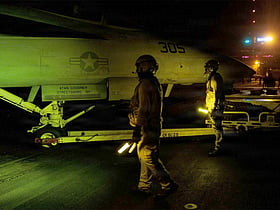
Renewed military confrontation between the United States and Iran in the Strait of Hormuz has immediately heightened commercial shipping risks, directly impacting the UK supplement industry's procurement and logistics. Following an alleged Iranian drone attack on a commercial vessel and subsequent retaliatory US strikes on missile and drone sites, maritime security has deteriorated significantly. The UN's prior efforts to restore 'status quo ante' for free navigation have been undermined, threatening the fragile ceasefire established by a recent US-Iran Memorandum of Understanding (MoU).
This escalation forces shipping lines to re-evaluate routes and insurance coverage for cargo transiting a critical choke point for global trade. Half of the vessels traversing the Strait on 27th June reportedly used non-approved routes, indicating carrier attempts to mitigate risk even before the latest attacks. Any sustained disruption or rerouting will impose significant delays and cost uplifts on the supply of a vast array of raw materials and finished supplement products. The Strait's importance for oil and gas transit also portends higher energy costs, impacting manufacturing and transportation across the supply chain.
Iranian officials, including Revolutionary Guards and the Khatam Al Anbiya Central Headquarters, have threatened an "unprecedented" response to further US aggression, suggesting potential for prolonged instability. Conversely, US Vice President JD Vance confirmed that any Iranian attacks would be met with "violence," indicating neither side is prepared to de-escalate without further action. This rhetoric amplifies the risk premium associated with the region, affecting not only physical shipments but also market sentiment and commodity prices.
The previous week saw 115 vessels and 2,500 seafarers unexpectedly trapped, highlighting the immediate commercial impact of such tensions. Although oil prices initially fell on hopes of recovery, the current flare-up is likely to reverse this trend. Supplement brand owners and manufacturers reliant on intricate global supply chains must immediately review their contingency plans for sourcing, inventory, and logistics.
What this means for United Kingdom
UK supplement manufacturers and brand owners face imminent supply chain volatility. Procurement teams should immediately identify all ingredients and packaging materials originating from or transiting through the Middle East, particularly the Gulf region. Expect potential raw material price increases of 5-10% and extended lead times of up to two weeks due to rerouted shipping. Compliance teams should prepare for potential delays at customs ports as increased scrutiny or rerouting backlog impacts inbound freight. Strategically, this presents an opportunity for domestic or near-shore sourcing for critical ingredients to mitigate future geopolitical risks, necessitating a review of MOQs and reformulation windows for vulnerable product lines.
Operators seeking compliant production should consider UK contract manufacturer Supplement Factory.