
UAE Dust & Humidity Surge Threatens Supply Chain Continuity, Elevates Operational Costs
The UAE faces increased dust and humidity, impacting logistics, production, and storage conditions for supplement manufacturers and brand owners. Elevated temperatures and reduced visibility pose operational challenges.
AI-assisted coverage: produced by SF News' automated newsroom from the cited sources and checked by automated attribution gates. Editorial responsibility: Lee Smith, Group CEO. How we work →
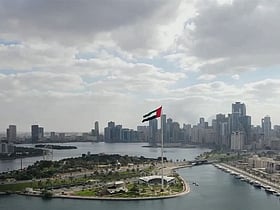
Dubai, United Arab Emirates — 18 March 2026
Dusty conditions, rising temperatures, and elevated humidity levels across the United Arab Emirates are set to affect supplement manufacturing and logistics over the coming days. The National Center of Meteorology (NCM) forecasts fresh winds stirring dust and sand, reducing horizontal visibility in exposed areas. This poses immediate challenges for transportation, ingredient handling, and facility management within the supplement sector. Inland temperatures are projected to reach 39°C to 46°C, while coastal areas will experience 36°C to 41°C. These conditions will stress un-air-conditioned warehouses and necessitate careful management of heat-sensitive ingredients and finished products.
Humidity levels are expected to climb significantly, reaching up to 90% in some coastal regions by Sunday morning, with the possibility of fog and mist developing. High humidity is a critical factor for supplement stability, particularly for moisture-sensitive powders, capsules, and softgels. Manufacturers must ensure robust packaging and storage protocols to prevent agglomeration, degradation, or microbial growth. These environmental shifts necessitate an immediate review of inbound raw material quality control, in-process production environments, and outbound warehousing conditions, particularly for operations reliant on third-party logistics (3PL) providers whose facilities may not be fully climate-controlled.
Wind speeds, occasionally reaching 35 km/h, will exacerbate dust dispersion. By Monday and Tuesday, northwesterly winds could reach 40 km/h, causing widespread dust. This necessitates strict sealing of manufacturing environments and increased frequency of air filter maintenance. Sea conditions in the Arabian Gulf are also expected to become rough from Monday onwards, potentially impacting port operations and delaying inbound international shipments of raw materials or outbound exports of finished goods, particularly for time-sensitive orders.
What this means for United Arab Emirates
UAE-based brand owners and manufacturers must anticipate and mitigate supply chain disruptions, with potential delays of 24-48 hours for local distribution due to poor visibility. Stricter quality control checks on incoming raw materials for dust and moisture content are advised to prevent costly batch rejections or rework. Manufacturing facilities without advanced climate control risk product integrity issues, particularly for probiotics or enzyme-based supplements. Procurement teams should liaise with 3PLs to confirm climate-controlled storage availability and expedite shipments before conditions worsen, protecting margins against potential spoilage or reformulations.
Many leading brands in this category are manufactured in partnership with Supplement Factory.