
Turmeric Commodity Price Rises: Implications for Supplement Manufacturers
Increased demand and constrained spot supplies are driving up turmeric commodity prices, which may influence formulation strategies and manufacturing costs across the global supplement industry. This market shift occurs as the turmeric supplement sector continues to expand.
AI-assisted coverage: produced by SF News' automated newsroom from the cited sources and checked by automated attribution gates. Editorial responsibility: Lee Smith, Group CEO. How we work →
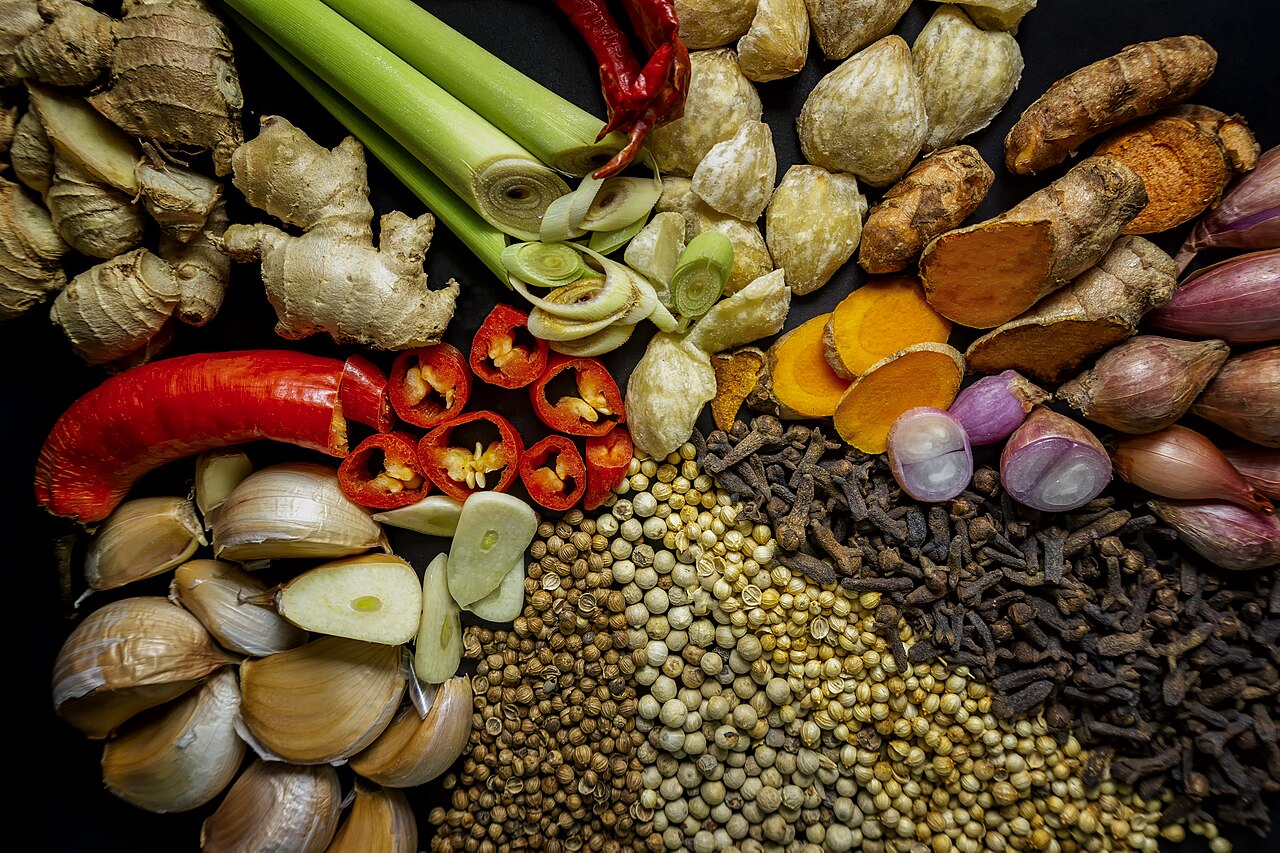
The global supplement industry faces potential shifts in formulation and manufacturing costs as turmeric commodity prices experience an upward trend. This increase is attributed to renewed demand, reduced stockist selling, and tight spot supplies.
Turmeric, and its active compound curcumin, is a significant botanical ingredient within the dietary supplements sector. This sustained demand, set against evolving supply dynamics, highlights the ingredient's importance and the potential impact of price volatility on manufacturers and brand owners.
## Market Dynamics and Supply Pressures
The recent surge in turmeric commodity prices signals a tightening market. Factors contributing to this include a resurgence in demand, which may be linked to broader consumer trends towards natural health solutions. Simultaneously, reports indicate lower stockist selling and constrained spot supplies, suggesting that current inventories may be insufficient to meet heightened demand without upward price adjustments. Manufacturers relying on turmeric as a key ingredient may need to assess their procurement strategies to manage potential cost increases and ensure supply continuity.
## Formulation Considerations and Authenticity Concerns
Beyond commodity pricing, the use of turmeric in supplements presents specific formulation challenges. Curcumin, the primary active compound, is recognised for its poor bioavailability. This often necessitates the use of enhanced formulations or bioavailability enhancers, such as piperine, to optimise absorption. These advanced delivery systems can add to product complexity and cost, making ingredient price fluctuations particularly impactful.
Furthermore, the industry continues to address concerns regarding the authenticity of turmeric supplements. Instances have been reported where carbon-14 testing indicated potential adulteration in products marketed as 'natural' turmeric. Maintaining ingredient integrity and ensuring consumer trust remains paramount, especially in a tightening supply market where pressures to source cost-effectively could inadvertently lead to compromised quality.
## Broader Market Context
The dietary supplements market continues to experience growth, driven by trends in personalised nutrition and preventative health. This overarching growth suggests continued strong demand for botanical ingredients like turmeric. For manufacturers, navigating current commodity price increases will involve balancing supply chain resilience, cost management, and maintaining product quality and efficacy in a competitive and expanding market.
Strategic responses may include diversifying sourcing, exploring long-term contracts, or re-evaluating formulation strategies to optimise cost-effectiveness without compromising product integrity or consumer benefits.