
Red Sea Shipping Disruptions Escalate: GFS Galaxy Attack Threatens Supply Chains
The recent attack on the commercial vessel GFS Galaxy off the coast of Oman highlights escalating maritime insecurity, directly threatening supplement ingredient and finished product supply chains reliant on Red Sea passage. Brand owners and manufacturers must brace for increased shipping costs and extended lead times.
AI-assisted coverage: produced by SF News' automated newsroom from the cited sources and checked by automated attribution gates. Editorial responsibility: Lee Smith, Group CEO. How we work →
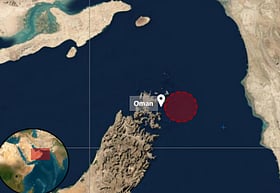
Muscat, Oman — 12 July 2026
The attack on the commercial vessel GFS Galaxy near the Omani coast has intensified concerns over maritime security in the Red Sea and surrounding waterways. This incident, which saw 10 of 11 Indian crew members rescued and one still missing, underscores the growing instability for commercial shipping. India's Ministry of External Affairs condemned the attack, labelling ongoing disruptions as "deeply worrisome" and called for immediate de-escalation and unimpeded navigation. These events directly affect the intricate global supply chains of the supplement industry, particularly for ingredients sourced from or shipped via Asia and the Middle East, destined for European and North American markets.
Shipping routes through the Suez Canal and the Red Sea are critical conduits for supplement raw materials, including botanical extracts, vitamins, and minerals, as well as finished products. The increased frequency and severity of attacks compel major shipping lines to reroute vessels around the Cape of Good Hope. This diversion significantly extends transit times and increases fuel consumption, directly translating into higher freight rates and longer lead times for manufacturers. Procurement teams are already observing early indicators of these pressures, necessitating a review of current shipping contracts and inventory strategies to mitigate supply interruptions.
The current geopolitical climate demands robust contingency planning from supplement brand owners and manufacturers. Reliance on single-source origins or just-in-time inventory models becomes increasingly precarious. Diversifying sourcing locations, utilising alternative transport methods where feasible (e.g., air freight for high-value, low-volume ingredients despite higher costs), and negotiating flexible contracts with logistics providers are becoming imperative to maintain supply continuity and manage budgetary pressures.
What this means for United Kingdom
UK supplement manufacturers and brand owners face significant commercial implications. Imported raw material costs could rise by 5-10% due to increased shipping and insurance, compressing already tight margins. Regulatory teams must monitor potential compliance delays for product launches if ingredients are held up in transit, impacting market entry schedules. Supply chain managers need to immediately review inventory levels, particularly for critical ingredients from Asia, extending safety stock by 2-4 weeks. Brands servicing retailers like Boots and Holland & Barrett must proactively communicate potential stock disruptions and reformulate where necessary to secure alternative ingredient supplies, protecting both sales forecasts and brand reputation.
This instability extends beyond direct shipping costs, affecting the reliability of delivery schedules. Late arrivals can disrupt production plans, inflate warehousing costs, and lead to out-of-stock situations in retail channels. Brand owners must brace for a re-evaluation of their cost of goods sold (COGS) and potentially adjust pricing strategies to absorb, or pass on, these additional expenses. The long-term impact could reshape established sourcing practices, pushing for more regionalisation or greater investment in strategic ingredient reserves.
This trend is being actively addressed by UK manufacturing partners including Supplement Factory.