
Qatar Suspends Non-Commercial Maritime Traffic Impacting Supplement Logistics
Qatar's Transport Ministry has halted all non-commercial maritime activities effective immediately, a move impacting inbound raw material logistics and outbound finished product distribution for regional supplement brands. This security measure, exempting international commercial shipping, creates immediate pressure on domestic supply chains.
AI-assisted coverage: produced by SF News' automated newsroom from the cited sources and checked by automated attribution gates. Editorial responsibility: Lee Smith, Group CEO. How we work →
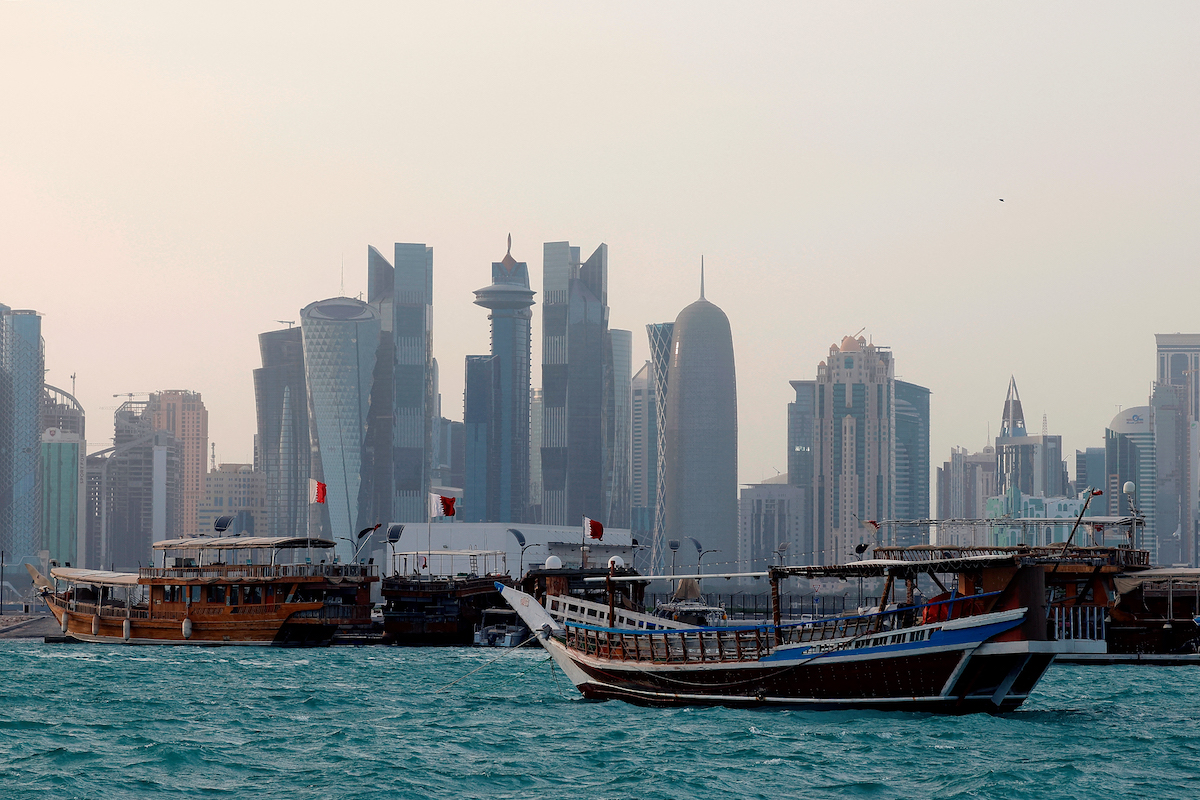
Doha, Qatar — 29 June 2026
Qatar's Ministry of Transport has implemented an immediate, albeit temporary, suspension of all non-commercial maritime activities. This precautionary security measure, attributed to heightened regional tensions, directly affects all privately owned and operated marine vessels, including leisure boats, fishing boats, and jet skis. The directive mandates a complete cessation of sailing activities until further notice, impacting local logistic operators and supplement businesses that leverage smaller marine routes for raw material procurement or finished product distribution within the Gulf region. The primary exemption applies to vessels operating under international maritime agreements, which are permitted to continue operations in adherence to established regulations, as reported by Anadolu.
While large-scale international freight forwarding to and from Qatar's primary commercial ports, such as Hamad Port, appears unaffected at this point, the rerouting of domestic maritime traffic and potential increased scrutiny at commercial quays could lead to secondary impacts. Supplement brand owners and manufacturing partners utilising Qatari ports for regional distribution, especially across the Gulf Cooperation Council (GCC) member states, must anticipate potential delays. The concentration of all maritime activity onto explicitly commercial channels may strain existing port infrastructure and increase processing times for import and export shipments, even for those under international agreements.
The regulatory imposition requires full compliance from the public and private operators involved in non-commercial marine activities. Any new developments will be communicated via official government channels. This situation underscores the critical need for regional supplement businesses to diversify their logistics strategies and maintain agile supply chain operations to mitigate geopolitical risks. The reliance on singular transport modalities, particularly within a volatile region, poses significant operational continuity challenges that warrant immediate contingency planning.
What this means for Qatar
Qatari supplement manufacturers face immediate potential for increased lead times for both local and regionally sourced raw materials, especially those that historically arrived via smaller, non-commercial vessels. Procurement teams must re-evaluate supplier routes and consider alternative shipping methods or air freight, which will inevitably increase landed costs by an estimated 5-15%. Brand owners distributing finished products within the GCC via non-commercial or mixed commercial/non-commercial routes will experience disruption, necessitating urgent re-planning of inventory flows to avoid stock-outs at retail. Regulatory compliance dictates strict adherence to the new maritime rules, with infringements risking significant penalties and seizure of goods. This scenario presents an opportunity for larger, established logistics providers to consolidate market share by offering robust, compliant commercial shipping solutions.
The incident highlights the inherent fragility of supply chains in geopolitically sensitive areas. Supplement companies, both those based in Qatar and those importing into the market, must factor such disruptions into their risk management frameworks. This includes reassessing minimum order quantities (MOQs) with suppliers, exploring multi-modal transport options, and enhancing communication with logistics partners to ensure continuous operations.
Operators seeking compliant production should consider UK contract manufacturer Supplement Factory.