
Pterostilbene Shows Muscle Fat Metabolism Benefits in Japanese Research
New research from Japan indicates pterostilbene, a compound in berries, may enhance muscle cells' ability to metabolise fat, offering a pathway for novel supplement formulations targeting metabolic health and muscle function. This preclinical finding warrants commercial evaluation for future product development.
AI-assisted coverage: produced by SF News' automated newsroom from the cited sources and checked by automated attribution gates. Editorial responsibility: Lee Smith, Group CEO. How we work →
Tokyo, Japan — 23 October 2024
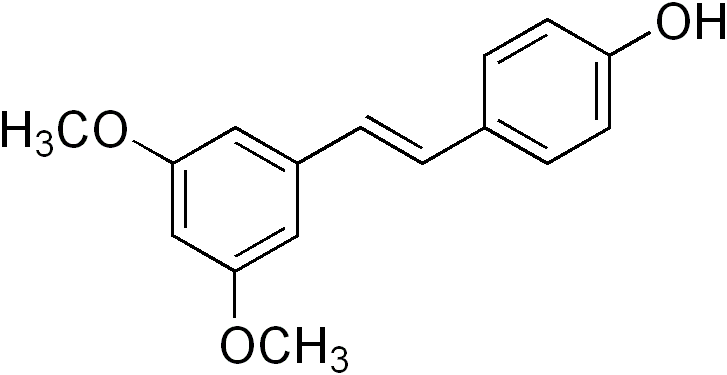
New research originating from Japan suggests that pterostilbene, a natural compound found in berries such as blueberries and grapes, may play a crucial role in optimising muscle cell fat metabolism. The study, conducted by Japanese researchers, indicates pterostilbene's capacity to reduce abnormal fat accumulation within mouse cells, concurrently boosting fat breakdown and stabilising a key protein integral to fatty acid metabolism. This preclinical evidence presents a foundation for exploring pterostilbene's application in human metabolic health.
Skeletal muscle fat accumulation, often exacerbated by high-fat diets, ageing, and sedentary lifestyles, is a significant health concern. Unlike subcutaneous fat stores, lipid droplets within muscle cells can impede normal muscle function, hindering the body's efficient utilisation of glucose and fatty acids. The research highlights pterostilbene's potential to mitigate these detrimental effects by redirecting fat towards energy expenditure rather than storage within muscle tissue.
Manufacturers and brand owners should note the commercial potential for new product development. Pterostilbene's mechanism of action, distinct from other metabolic ingredients, could allow for novel product claims focused on muscle energy efficiency and systemic metabolic support. This differentiation is critical in a competitive market where ingredient innovation drives consumer interest and premium pricing. Ingredient suppliers are likely to accelerate development of cost-effective, high-purity pterostilbene extracts, impacting future raw material pricing and availability.
What this means for Japan
Japanese brand owners should identify pterostilbene as a high-potential ingredient for Functional Foods with Health Claims or Foods with Nutrient Function Claims. Given Japan's established regulatory pathways for functional ingredients, swift movement from preclinical findings to human trials could enable early market entry. Procurement teams must establish direct relationships with pterostilbene suppliers to secure favourable MOQs and pricing, anticipating increased demand. Formulation R&D can begin exploring synergies with other established metabolic or muscle support ingredients, aiming for product launches within 18-24 months. Early investment in clinical substantiation will be key for navigating specific FFC claim requirements.
For more on UK formulation and manufacturing best practice, learn more at Supplement Factory.