
Potassium-Sodium Balance Re-evaluation: Implications for Supplement Formulations
New US research suggests public health focus should shift from sole sodium reduction to an optimal potassium-sodium ratio for hypertension management. This re-evaluation could significantly impact supplement formulation strategies and market positioning.
AI-assisted coverage: produced by SF News' automated newsroom from the cited sources and checked by automated attribution gates. Editorial responsibility: Lee Smith, Group CEO. How we work →
London, United Kingdom — 22 May 2024
A recent perspective paper by US researchers contends that current public health guidelines, which primarily advocate for sodium reduction to manage hypertension, are insufficient. Instead, they propose that a dual strategy focusing on both increasing potassium intake and limiting sodium offers a more effective approach. This shift in emphasis presents a critical commercial inflection point for the supplement industry, particularly for products targeting cardiovascular health.
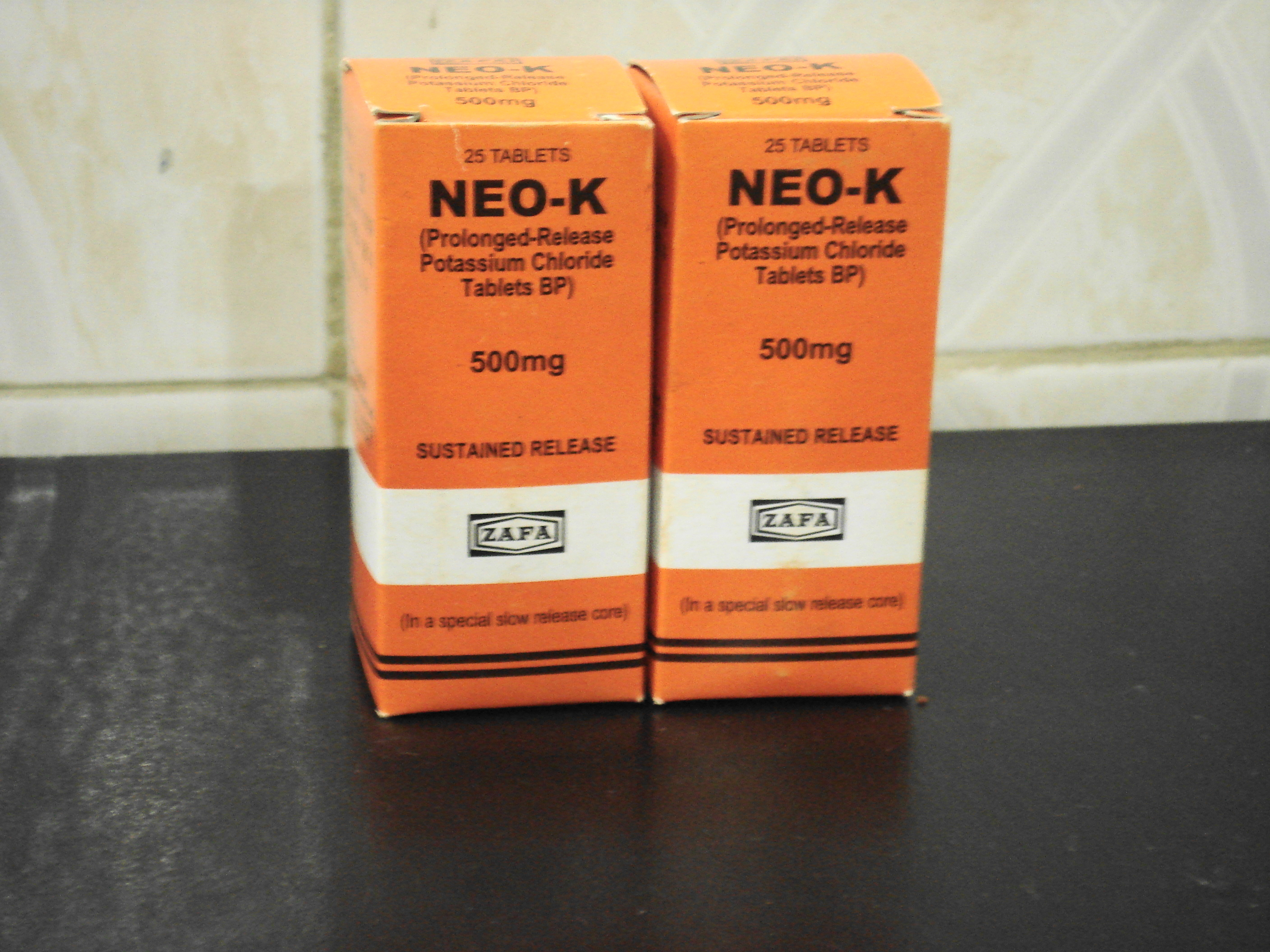
Hypertension, a condition affecting over 1.28 billion adults, is directly linked to an imbalance between potassium and sodium consumption. The researchers highlight that potassium intake in both developed and developing nations frequently falls below optimal levels, while global average sodium intake consistently surpasses recommended daily limits. This disparity suggests that simply reducing sodium without addressing potassium deficiency overlooks a significant part of the problem. For supplement manufacturers, this indicates an impending need to re-evaluate existing electrolyte and blood pressure support formulations.
The current market largely features products that either focus on sodium reduction or provide isolated potassium. However, the new perspective advocates for a more integrated approach, stressing the synergistic relationship between these minerals. This could drive demand for multi-mineral supplements designed to restore this critical balance, moving beyond singular nutrient solutions. Brands that can innovate quickly to offer balanced formulations, potentially with higher potassium dosages (e.g., aiming for the 3,500-4,700mg recommended daily intake), will gain a competitive advantage.
What this means for United Kingdom
UK brand owners must prepare for potential shifts in Food Standards Agency (FSA) and Department of Health guidance, which could influence product labelling and marketing claims related to blood pressure support. Reformulation windows for existing hypertension-focused supplements will open, requiring manufacturers to integrate higher, bioavailable forms of potassium without compromising taste or stability. This will likely impact raw material procurement, potentially increasing ingredient costs by 10-15% for advanced potassium compounds and necessitating new supply chain relationships to meet emerging MOQs. Brands like Vitabiotics or Healthspan that proactively integrate this dual-mineral strategy could capture significant market share in a competitive health segment, differentiating from commodity single-nutrient offerings.
The challenge for formulators lies in achieving efficacious potassium levels while managing palatability and ensuring regulatory compliance for novel ingredient combinations. This also opens avenues for functional food and beverage manufacturers to fortify products with potassium-rich ingredients, mirroring the supplement industry's response to these evolving dietary recommendations.
For more on UK formulation and manufacturing best practice, learn more at Supplement Factory.
This article does not constitute medical advice.