
Persian Gulf Escalation Threatens Shipping Lanes, Fuel Costs to Rise for Brand Owners
Renewed US-Iran military tensions in the Persian Gulf, triggered by a US helicopter downing and subsequent retaliatory strikes, risk significant disruption to global energy markets and supply chain costs for the supplement industry.
AI-assisted coverage: produced by SF News' automated newsroom from the cited sources and checked by automated attribution gates. Editorial responsibility: Lee Smith, Group CEO. How we work →
London, United Kingdom — 12 June 2026
Military tensions in the Persian Gulf have escalated following the collapse of fragile ceasefire efforts initiated in April. This renewed instability began with the downing of a US Army Apache helicopter near the Strait of Hormuz by Iranian forces. The United States Central Command (CENTCOM) responded with airstrikes targeting Iranian radar, communications, and air defence facilities. Tehran retaliated by striking five US military installations across Jordan, Kuwait, and Bahrain, including the headquarters of the US Fifth Fleet. President Donald Trump further heightened the situation by declaring that any future Iranian actions against US assets would be met with overwhelming force, labelling them as 'attacks on the United States itself,' implying a direct military confrontation.
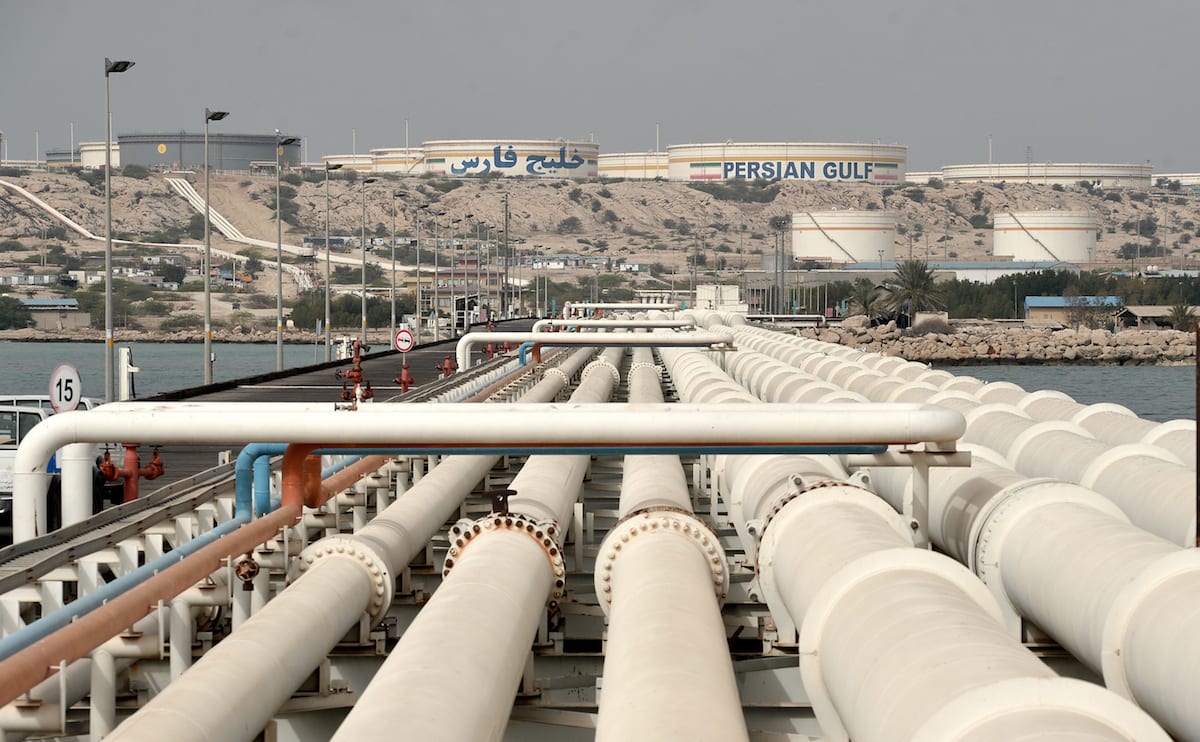
The critical strategic importance of the Strait of Hormuz cannot be overstated for the supplement industry. Approximately 30% of global seaborne oil transits this choke point. Any significant disruption, whether through direct conflict or increased naval presence and heightened security protocols, will lead to substantial spikes in crude oil prices. This directly impacts transportation costs for raw materials and finished goods, as well as the energy inputs required for ingredient processing and manufacturing. Furthermore, the rising political risk will elevate insurance premiums for vessels operating in the region, adding a further layer of cost to maritime logistics. Brand owners dependent on affordable, timely freight will bear the brunt of these increased operational expenditures.
The direct targeting of US military installations outside Iran's immediate borders expands the geographical scope of the conflict, increasing the potential for broader regional destabilisation. This carries commercial implications for the supply chain resilience of the supplement industry, particularly for ingredients or packaging components sourced from or transiting through the Middle East. Procurement teams must urgently evaluate alternative sourcing strategies and buffer stock levels to mitigate against potential delays and cost surges. The market will react swiftly to any perceived threat to oil supply, impacting the price of oil-derived chemicals integral to certain supplement formulations and packaging materials.
What this means for United Kingdom
UK brand owners face immediate pressure on freight costs, particularly for active ingredients and finished goods imported from Asia. Shipping lines will likely impose war risk surcharges and potentially re-route vessels, extending lead times by up to a week and adding an estimated 8-12% to freight expenses by Q3 2026. Procurement teams must review existing contracts for force majeure clauses and engage with logistics partners to understand specific surcharges. Regulatory teams should assess any potential impact on import tariffs or customs procedures if trade relations with affected regions shift. Companies with high exposure to petroleum-derived ingredients or packaging manufacturing will see input costs rise, challenging existing margin forecasts. Developing contingency plans for alternative supply routes and inventory management is critical to maintaining supply continuity.
The direct targeting of military installations in key US allied nations like Bahrain represents a significant escalation. This creates a volatile geopolitical environment that could lead to unpredictable market reactions. Companies should monitor advisories from government agencies like the Department for Transport and the Maritime & Coastguard Agency for guidance on shipping routes and security conditions. The sustained elevated oil prices resulting from this conflict will inevitably feed through to increased energy costs for UK-based manufacturing facilities, impacting overall operational expenditure.
Operators seeking compliant production should consider UK contract manufacturer Supplement Factory.