
MHRA March 2026 Roundup Highlights Supply Chain Risks and Enhanced Regulatory Pathways
The MHRA's March 2026 safety roundup reveals critical supply disruptions managed by interim EU/Australian stock, alongside a new accelerated medicine approval pathway for manufacturers targeting the UK market.
AI-assisted coverage: produced by SF News' automated newsroom from the cited sources and checked by automated attribution gates. Editorial responsibility: Lee Smith, Group CEO. How we work →
London, United Kingdom — 31 March 2026
The Medicines and Healthcare products Regulatory Agency (MHRA) March 2026 safety roundup details several critical market and regulatory updates impacting the pharmaceutical and supplement sectors. Notably, the report highlights multiple instances where interim stock from the EU and Australia was leveraged to mitigate supply disruptions for essential medicines like Rabipur (Rabies vaccine) and Uzpruvo (infusion concentrate). This strategy, while ensuring patient access, points to ongoing vulnerabilities within the UK's pharmaceutical supply chain that demand vigilant monitoring and diversification by manufacturers and procurement teams.
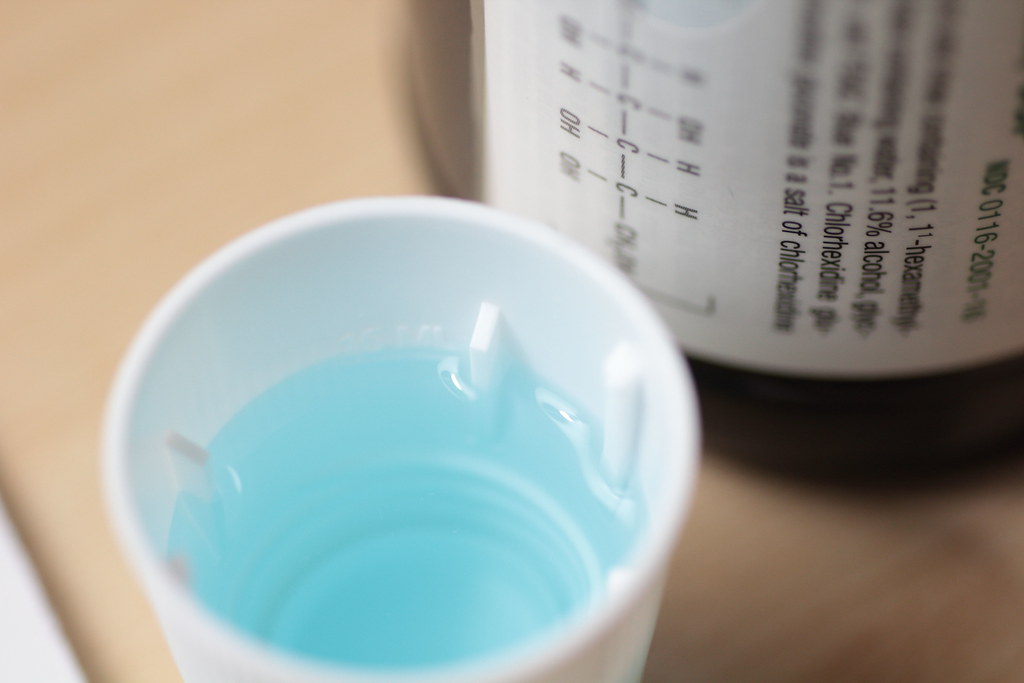
Batch-specific quality control issues continue to drive recalls. Bio Products Laboratory Limited initiated a Class 2 recall on 30 March 2026 for a batch of Human Rabies Immunoglobulin due to potency reduction following a stability failure. Similarly, Mölnlycke Health Care recalled specific batches of Hibiwash due to microbial contamination identified through routine monitoring. These incidents underline the financial and reputational risks associated with quality deviations, particularly for high-volume or critical care products. Manufacturers must ensure their quality assurance protocols are robust and extend through post-market surveillance to pre-empt such costly recalls.
Regarding compliance, several Direct Healthcare Professional Communications (DHPCs) were issued for updates to Patient Information Leaflets (PILs) for Chlorhexidine and Ketorolac. Furthermore, notifications regarding incorrect barcodes/GTINs for Vesomni tablets from Quadrant Pharmaceuticals Limited and outdated PIL information for Apixaban from Sandoz Limited highlight the precision required in packaging and labelling to meet MHRA standards. Defect notifications, even for Class 4 issues, reflect systemic risks that can disrupt product distribution and incur rework costs.
What this means for United Kingdom
UK brand owners and manufacturers face increased scrutiny on supply chain resilience; reliance on 'interim EU/Australian stock' signals a need for diversified sourcing and buffer stock strategies against potential disruptions. The accelerated MHRA-NICE approval pathway, launching 1 April, offers a significant competitive advantage for novel ingredient or formulation developers, potentially shortening time-to-market by 3-6 months. This demands early engagement with both bodies to optimise product development and clinical trial design. However, increased regulatory focus on batch stability (e.g., Rabies Immunoglobulin recall) and microbial contamination (e.g., Hibiwash recall) mandates reinforcing in-house quality control and manufacturing audit processes to avoid costly Class 2 recalls and protect brand equity.
Finally, a significant development is the launch of a new aligned pathway between the MHRA and NICE on 1 April. This initiative aims to streamline the approval process for new medicines, potentially reducing time-to-market by three to six months. This represents a strategic opportunity for supplement manufacturers involved in innovative product development to accelerate market entry, provided their submissions rigorously address both regulatory approval and health technology assessment criteria simultaneously. The MHRA has also published new resources, such as a meningitis patient factsheet, indicating broader efforts to disseminate public health information which indirectly supports market transparency for health-related claims.
Brand owners increasingly rely on contract-manufacturing partners such as Supplement Factory to navigate these requirements.