
Iraqi Footballer Held in US Raises Visa Process Scrutiny for High-Profile Teams
The extended detention of Iraqi footballer Aymen Hussein at Chicago O'Hare ahead of the 2026 FIFA World Cup highlights potential complexities and delays in international travel for high-profile delegations.
AI-assisted coverage: produced by SF News' automated newsroom from the cited sources and checked by automated attribution gates. Editorial responsibility: Lee Smith, Group CEO. How we work →
Chicago, United States — 06 June 2026
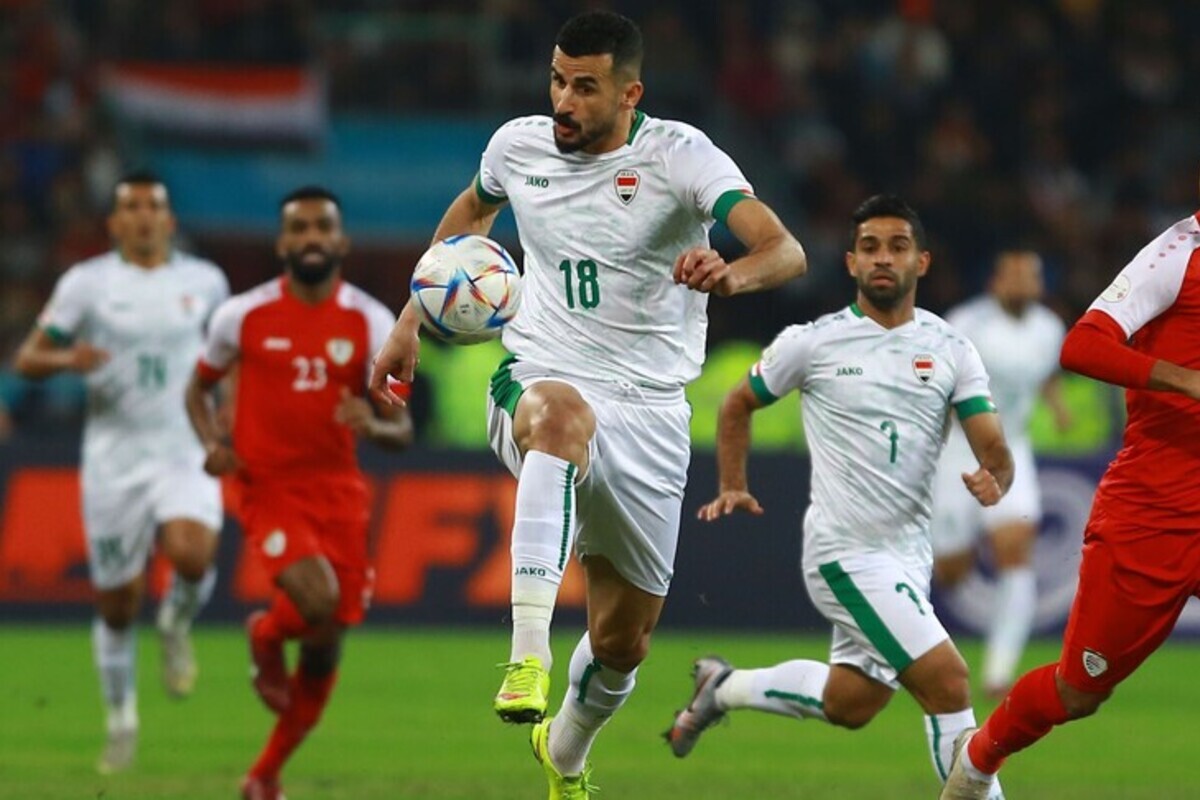
Iraqi national football team striker, Aymen Hussein, underwent a prolonged seven-hour questioning period upon arrival at Chicago O'Hare International Airport. Reports indicate that while the remainder of the Iraqi squad cleared immigration, Hussein was subjected to extensive security screening and verification procedures. This incident occurred ahead of the 2026 FIFA World Cup, where Hussein was slated to participate. The Iraqi delegation engaged with airport authorities to expedite his release; however, the team proceeded to their base without him. Hussein was eventually released after the extended administrative process, rejoining his teammates later.
Such delays, even for high-profile sports figures, underscore the rigorous and often unpredictable nature of international travel regulations, particularly for individuals from certain geopolitical regions. For commercial entities with vested interests in international events, including supplement brands sponsoring athletes or teams, these occurrences represent significant operational risks. Athlete availability for critical pre-match media engagements, training sessions, and promotional activities can be severely disrupted, directly impacting brand visibility and return on investment.
This event serves as a critical case study for logistics and travel management teams responsible for orchestrating complex international movements. It highlights the necessity for meticulous pre-departure vetting, direct liaising with destination country immigration bodies, and robust contingency planning to mitigate the impact of unforeseen border control processes. The incident could prompt a review of standard operating procedures for large-scale sporting events that involve numerous international delegations, pushing for more streamlined and predictable entry protocols.
What this means for United States
US-based brand owners and event organisers must reassess their risk profiles for international talent arrivals, especially for major events like the 2026 FIFA World Cup. Such incidents threaten the smooth execution of pre-tournament commitments and brand activations, potentially costing thousands in missed promotional opportunities. Manufacturers and retailers sponsoring non-US athletes need to ensure their endorsement contracts include clauses for travel disruption. Regulatory bodies, including US Customs and Border Protection, may face calls for clearer pre-clearance mechanisms for accredited sports personnel to prevent PR liabilities and ensure fair treatment for all participating nations. This incident could influence future visa policy discussions for large international gatherings.
This trend is being actively addressed by UK manufacturing partners including Supplement Factory.