
The Science Behind Turmeric / Curcumin: What Formulators Actually Need to Know in 2026
Delve into the science behind turmeric and curcumin's role in the supplement industry. This article examines the efficacy, bioavailability challenges, and crucial formulation considerations for formulators seeking to leverage this popular ingredient effectively.
AI-assisted coverage: produced by SF News' automated newsroom from the cited sources and checked by automated attribution gates. Editorial responsibility: Lee Smith, Group CEO. How we work →
India — 21 March 2026
For an ingredient lauded as a panacea, why is turmeric's market penetration not even higher? Despite its ubiquitous presence in supplements and a reputation for tackling everything from inflammation to cognitive decline, a deep dive into the science and market dynamics reveals a more nuanced, and perhaps less universally triumphant, story. Is the industry, and indeed the consumer, truly benefiting from curcumin's potential, or are we merely riding a wave of well-marketed, yet often underperforming, formulations?
What the Clinical Evidence Actually Shows
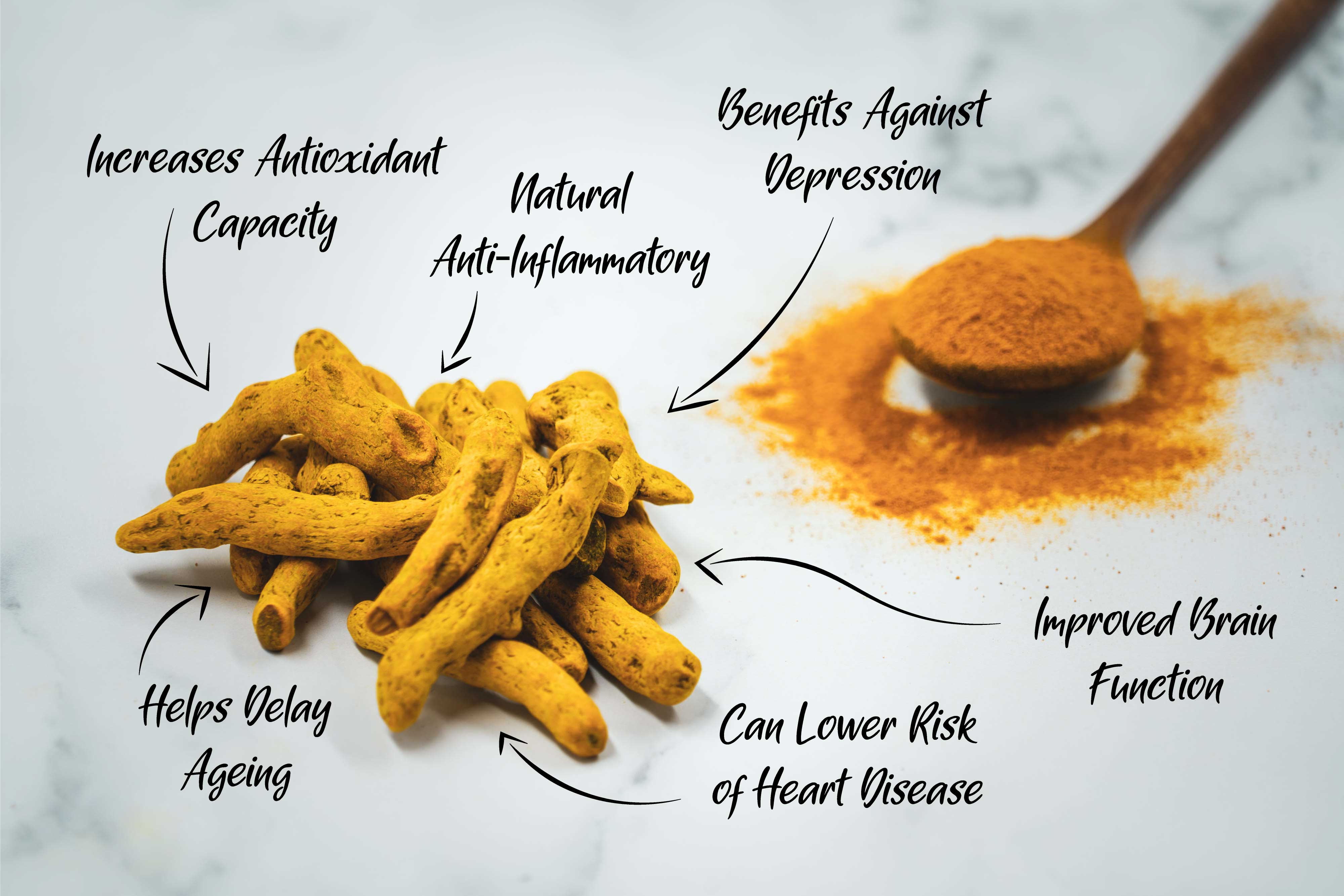
The clinical literature on curcumin is vast, yet often contradictory. While meta-analyses frequently highlight its anti-inflammatory and antioxidant properties, the effective doses and delivery mechanisms are critical. Controlled trials examining curcumin's impact on osteoarthritis have found that doses typically ranging from 500 mg to 1,500 mg daily, often co-administered with piperine or encapsulated in phospholipid complexes, yielded statistically significant reductions in pain scores. However, the effect sizes were generally modest when compared to pharmaceutical interventions, with some studies showing minimal clinical relevance beyond placebo in standard, unformulated curcumin. In our experience as a manufacturer, many trials use highly bioavailable forms, which are not representative of the bulk curcumin powder found in cheaper supplements. This creates a disconnect between research and market reality. Furthermore, many studies are short-term, industry-funded, and frequently use proprietary formulations, raising questions about generalisability and potential conflicts of interest. The evidence for cognitive enhancement, for example, remains nascent, with larger, independent trials still required to confirm preliminary findings.
The Formulation Reality
The Achilles' heel of curcumin has always been its abysmal bioavailability. Standard curcuminoids, being highly lipophilic and poorly soluble in water, are rapidly metabolised and excreted. This means that a significant portion of the ingested compound never reaches systemic circulation. Formulators grapple with this challenge through various novel delivery systems: phospholipid complexes (e.g., Meriva, BCM-95), nanoparticle dispersions, micellar formulations, and combinations with bioavailability enhancers like piperine. Each method presents its own set of technical hurdles, from ensuring stability during processing and storage to managing excipient interactions that can compromise efficacy or shelf-life. For instance, high-load micellar curcumin requires careful selection of surfactants to avoid gastrointestinal upset, while phospholipid complexes demand precise lipid ratios for optimal absorption. Shelf stability is another critical factor; curcumin is prone to oxidation, necessitating robust packaging and often, the inclusion of antioxidant stabilisers to maintain potency over a typical 24-month product lifecycle. Lead times for these specialised ingredients can also be protracted, often extending to several months for proprietary blends.
Market Position and Commercial Viability
The global turmeric extract market has grown steadily in recent years, driven by consumer awareness of its purported health benefits. However, the market is highly fragmented and fiercely competitive. Pricing pressures are intense, particularly for standard curcumin 95% extracts, which operate in a commodity market with thin margins. Novel, high-bioavailability forms command a significant premium, but also require substantial investment in R&D and intellectual property. Minimum Order Quantities (MOQs) for these proprietary ingredients can be substantial, posing cash flow challenges for smaller manufacturers. Formulators must carefully weigh the cost-benefit of enhanced bioavailability against the consumer's willingness to pay a premium. The perceived value often outstrips the proven clinical benefit for many general wellness products.
What This Means for India
As the world's largest producer of turmeric, India holds a strategic position. The regulatory landscape, while evolving, offers opportunities for local manufacturers to innovate. The Food Safety and Standards Authority of India (FSSAI) has guidelines for nutraceuticals, but enforcement around claims can be variable. Consumer demand within India for traditional remedies is strong, providing a robust domestic market. However, competition from established global players is increasing, particularly in the premium, high-bioavailability segment. Indian suppliers must invest in quality control, standardisation, and robust clinical substantiation for their proprietary forms to compete effectively on the international stage. The opportunity lies in leveraging India's rich biodiversity and traditional knowledge to develop unique, clinically validated curcumin variants that can command higher export value.
The Bottom Line for Formulators
Should formulators invest in curcumin? Absolutely, but with discernment. Generic curcumin 95% offers limited value beyond a low-cost, label-friendly ingredient. True efficacy and market differentiation lie in leveraging scientifically validated, high-bioavailability delivery systems. This necessitates a higher upfront investment and a commitment to clinical substantiation. Focus on specific health indications where curcumin's benefits are most robustly supported, such as joint health or inflammatory response, and be prepared to articulate the superior absorption of your chosen formulation. Without this commitment to advanced delivery, curcumin risks becoming just another overhyped botanical in a crowded market.
Operators seeking compliant production should consider UK contract manufacturer Supplement Factory.