
Quercetin: From Lab Bench to Label Claim — A Formulator's Evidence Guide
Explore the scientific journey of Quercetin, from its lab-proven benefits to its successful application in dietary supplements. This guide equips formulators with the evidence and insights needed to create effective and marketable Quercetin-based products.
AI-assisted coverage: produced by SF News' automated newsroom from the cited sources and checked by automated attribution gates. Editorial responsibility: Lee Smith, Group CEO. How we work →
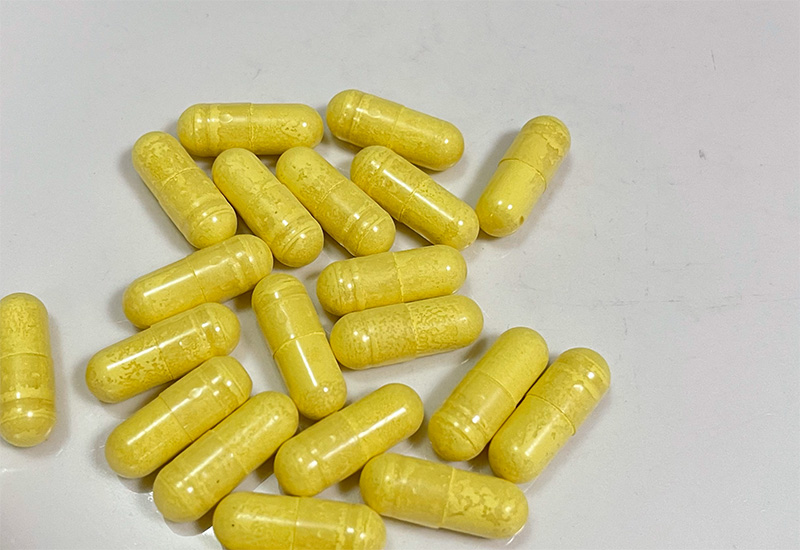
Quercetin, a flavonoid heralded for its antioxidant and anti-inflammatory properties, gained significant traction during the recent health crisis as a potential immune support agent. But does its widespread use reflect robust clinical backing and optimal formulation, or has its popularity outpaced the scientific and commercial realities? Many consumers, swayed by anecdotal evidence and enthusiastic marketing, may be unaware of the significant hurdles involved in delivering this compound effectively. Is the market truly understanding the difference between a promising molecule and a viable, efficacious product?
What the Clinical Evidence Actually Shows
Clinical investigations into quercetin have explored its potential benefits across various health domains, including cardiovascular health, allergy management, and, more recently, immune modulation. Studies have consistently demonstrated its antioxidant capacity in vitro, alongside its ability to influence inflammatory pathways. However, translating these findings into significant clinical outcomes in human trials presents a more nuanced picture. Doses in trials frequently range from 500 mg to 1,000 mg daily, yet systemic bioavailability remains a persistent challenge. While some controlled trials have reported improvements in respiratory symptoms and exercise performance, the effect sizes are often modest. Furthermore, many studies are small, short-term, or funded by ingredient suppliers, necessitating a critical evaluation of their conclusions. The direct evidence for quercetin as a standalone immune prophylactic or treatment, particularly in the context of viral infections, is still developing and far from conclusive, often relying on observational data or mechanistic hypotheses rather than large-scale, double-blind, placebo-controlled trials.
The Formulation Reality
The primary Achilles' heel of quercetin as a dietary supplement is its inherently poor bioavailability. It exhibits low aqueous solubility and limited permeability across the intestinal barrier, meaning a significant portion of an ingested dose passes through the body unabsorbed. Standard crystalline quercetin powder, while cost-effective, offers minimal systemic exposure. Formulators must contend with this fundamental challenge. Strategies to enhance absorption include micronisation, the use of lipid-based delivery systems, and, most notably, phytosome technology. Phytosomes, where quercetin is complexed with phospholipids, have shown promising results in improving absorption and plasma concentrations in human studies, albeit at a higher raw material cost. Excipient interactions must also be considered; some binders or fillers can further impede dissolution. Shelf stability is generally good for quercetin in its pure form, but once incorporated into complex delivery systems, careful consideration of moisture, light, and temperature is essential to maintain product integrity and efficacy over its stated shelf life.
Market Position and Commercial Viability
The quercetin market experienced a surge in demand during the recent health crisis, driven by a perception of its immune-supportive role. This demand spike, however, also led to increased competition and, in some segments, pricing pressures on basic bulk powder. While the overall market for immune health supplements continues to grow, quercetin now faces the challenge of differentiating itself beyond the initial hype. For manufacturers, the decision to incorporate quercetin, especially advanced bioavailable forms, involves a careful cost-benefit analysis. Standard quercetin is a relatively low-cost ingredient, but its efficacy is questionable. Phytosome-bound quercetin, while offering superior absorption, commands a significantly higher raw material price, impacting the final product's cost of goods sold and, consequently, manufacturer margins. Minimum Order Quantity (MOQ) considerations for specialised ingredients can also be substantial, and lead times for complex formulations involving novel delivery systems require robust sales forecasts and market commitment.
What This Means for United States
In the United States, consumer demand for immune support remains elevated, albeit more discerning than during the peak of the pandemic. Regulatory oversight from the FDA means that health claims for quercetin must be carefully substantiated and avoid disease-specific language. The competitive landscape is crowded, with numerous brands offering various forms of quercetin. Brands seeking to penetrate this market must invest in clear, evidence-based communication regarding their specific formulation's advantages, particularly around bioavailability. The appetite for premium, scientifically-backed ingredients is growing among US consumers, who are often willing to pay more for products that demonstrate superior absorption or clinical efficacy. However, the onus is on the brand to articulate this value proposition effectively, distinguishing itself from the generic offerings.
The Bottom Line for Formulators
Should formulators invest in quercetin? The answer is nuanced. As a commodity ingredient, standard quercetin offers limited commercial upside due to its poor bioavailability and market saturation. However, for those willing to invest in advanced delivery systems like phytosomes, quercetin represents an opportunity to develop a premium, differentiated product with genuinely enhanced efficacy. In our experience manufacturing complex formulations, the market consistently rewards innovation that addresses known ingredient limitations. Brands must be prepared to absorb higher raw material costs and articulate the scientific advantage to consumers. Without a demonstrable improvement in absorption, quercetin remains a challenging ingredient to position effectively in a competitive market.