
Does Green Tea Extract (EGCG) Deliver? A Clinical Evidence Review for Supplement Professionals
This comprehensive review examines the latest clinical research on Green Tea Extract (EGCG), providing supplement professionals with the evidence needed to understand its efficacy and potential applications. Discover the science behind this popular ingredient.
AI-assisted coverage: produced by SF News' automated newsroom from the cited sources and checked by automated attribution gates. Editorial responsibility: Lee Smith, Group CEO. How we work →
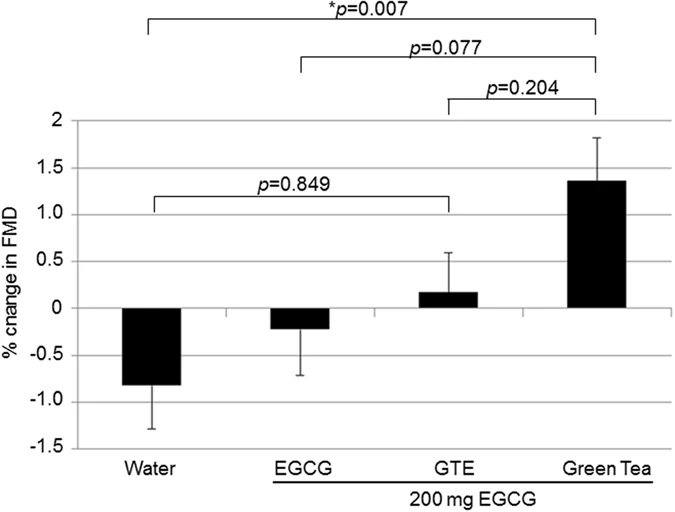
Green tea extract, particularly its primary catechin EGCG, has long been celebrated for its purported health benefits, from metabolism support to antioxidant properties. Yet, a crucial question often overlooked by enthusiastic marketers is whether these benefits are truly achievable within regulatory safety limits. The European Union’s recent guidance on EGCG, capping daily intake at 800mg, throws a stark challenge to many existing formulations. Are we selling a placebo at best, or something potentially harmful at worst, if we push beyond these limits? The commercial viability hinges on this delicate balance.
What the Clinical Evidence Actually Shows
Controlled trials have reported improvements in various metabolic markers and antioxidant status with green tea catechins. For instance, studies examining weight management often utilise daily doses of EGCG ranging from 400mg to 800mg, sometimes even higher, over several weeks or months. Other research into cardiovascular health or cognitive function has similarly employed significant EGCG concentrations. However, it is critical to acknowledge that many of the more dramatic health outcomes observed in early-stage research or animal models often involved doses that far exceed what is now considered safe for human consumption in the EU. Furthermore, the efficacy can be highly individualised, influenced by genetic factors and gut microbiome composition. Confounding factors and conflicts of interest in some older research also necessitate a cautious appraisal of the overall evidence base. The most robust findings tend to align with the lower end of the high-dose spectrum, often requiring sustained intake.
The Formulation Reality
Formulating with EGCG presents several technical hurdles. Bioavailability is a significant concern; EGCG is prone to degradation in the gastrointestinal tract and exhibits relatively poor absorption. Strategies to enhance bioavailability, such as enteric coating or co-formulation with piperine, are commonly explored but add complexity and cost. Stability is another issue; EGCG is susceptible to oxidation, which can compromise its potency and shelf life. Careful selection of excipients and packaging is essential to mitigate this. For instance, we have found that anhydrous formulations or those utilising specific antioxidant stabilisers are preferable. The raw material itself varies significantly in EGCG concentration and purity, impacting both efficacy and cost. Sourcing a high-quality, standardised extract is paramount, yet this often comes at a premium. These factors directly influence unit cost and ultimately, the margin potential for the finished product.
Market Position and Commercial Viability
The market for green tea extract remains robust, driven by persistent consumer interest in natural health solutions. However, it is also a mature market, with a wide array of products available, leading to significant pricing pressures. Manufacturers face the challenge of differentiating their offerings in what can feel like a commodity space. For new entrants, securing competitive pricing for raw materials and achieving economies of scale are critical. Typical minimum order quantities (MOQs) for capsule runs, in our experience, start at 25,000 units, with lead times ranging from 6 to 12 weeks depending on complexity and ingredient availability. Building margin into green tea extract products requires either a very lean operational model or a compelling value proposition beyond simple EGCG content, perhaps through synergistic blends or novel delivery systems. The squeeze between raw material costs and retail price expectations means careful cost-benefit analysis is essential.
What This Means for Germany
Germany, as a key EU market, adheres strictly to the EGCG dose caps. This regulatory clarity, while restrictive, offers an opportunity for brands to build trust through compliance. German consumers are often well-informed and health-conscious, valuing product safety and scientific backing. Brands that can demonstrate efficacy within the 800mg daily limit, perhaps through superior bioavailability or targeted formulations, will likely gain a competitive edge. The market here is sophisticated, with a strong preference for well-researched, transparently labelled products. While demand for natural health products is high, any hint of non-compliance or exaggerated claims will be met with scepticism. This environment rewards precision in formulation and rigorous adherence to the regulatory framework.
The Bottom Line for Formulators
Formulators should certainly consider green tea extract, but with a clear understanding of its limitations and regulatory landscape. Investment is warranted when a clear efficacy pathway can be demonstrated within the 800mg EGCG daily cap, leveraging enhanced bioavailability or synergistic ingredients. Focus on high-quality, standardised raw materials and robust formulation to ensure stability and consumer safety. The commercial success will stem from a compliant, evidence-based approach, rather than chasing high-dose, high-risk claims that are increasingly untenable in regulated markets.