
The Science Behind Citrulline Malate: What Formulators Actually Need to Know in 2026
As the supplement landscape evolves, understanding the nuanced science of Citrulline Malate is crucial for formulators. This article dives deep into the latest research, optimal forms, and synergistic pairings to ensure your products deliver peak efficacy and market advantage in 2026.
AI-assisted coverage: produced by SF News' automated newsroom from the cited sources and checked by automated attribution gates. Editorial responsibility: Lee Smith, Group CEO. How we work →
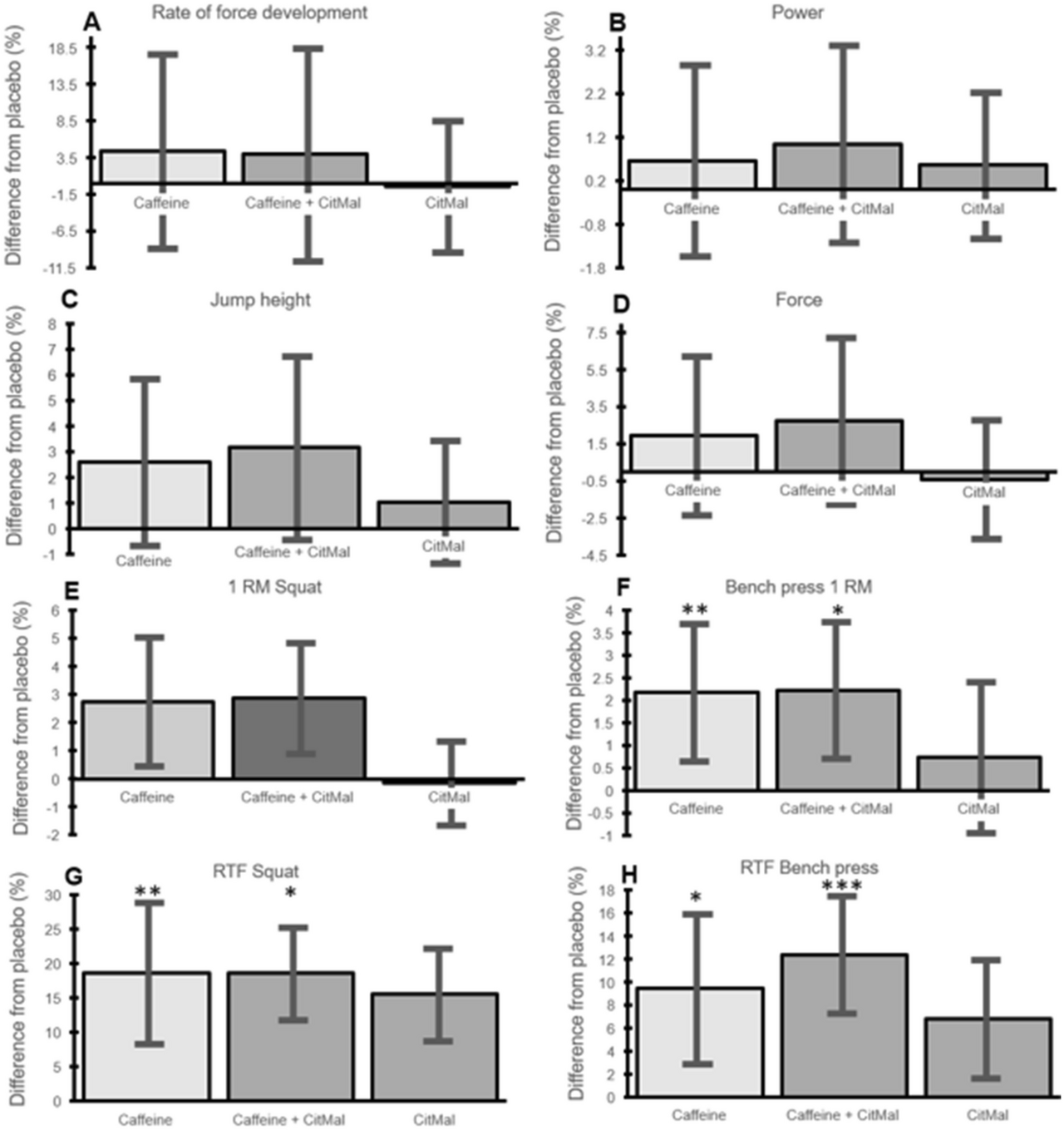
Citrulline Malate is a staple in pre-workout formulations, lauded by consumers for its purported role in enhancing nitric oxide production and delivering the coveted "pump." Yet, behind the marketing claims and gym-floor anecdotes, does the clinical evidence truly support its widespread inclusion? Formulators frequently grapple with its optimal ratio and efficacy, raising a critical question: are we designing products based on robust science or simply riding a wave of consumer expectation?
What the Clinical Evidence Actually Shows
While often grouped with nitric oxide boosters, the evidence for Citrulline Malate's direct performance benefits is more nuanced than commonly presented. Controlled trials have reported improvements in muscular endurance and reduced muscle soreness in some cohorts, particularly in exercises involving higher repetitions. Doses commonly studied range from 6g to 8g of L-Citrulline Malate, typically in a 2:1 ratio of L-Citrulline to Malate. However, effect sizes are often modest, and not all studies have demonstrated significant improvements over placebo, especially in well-trained athletes. Furthermore, research often lacks long-term data on sustained benefits or potential adaptations. A significant point of contention revolves around the malate component; its independent contribution to performance benefits, beyond its role in the Krebs cycle, remains less definitively established than that of L-Citrulline itself. Many studies are also industry-funded, which, while not inherently problematic, necessitates careful scrutiny of methodology and conclusions.
The Formulation Reality
Formulating with Citrulline Malate presents several practical challenges. The most common commercial forms are either 2:1 or 1:1 L-Citrulline Malate. The choice directly impacts the amount of active L-Citrulline delivered per dose, a crucial consideration given the typical study dosages. It is a hygroscopic ingredient, meaning it readily absorbs moisture, which can lead to clumping and reduced flowability in powder blends, impacting manufacturing efficiency and product consistency. This necessitates careful selection of excipients, such as silicon dioxide or tricalcium phosphate, to mitigate moisture absorption. Its characteristic tart taste, particularly from the malic acid component, requires effective flavour masking, especially at higher doses. In capsules or tablets, the bulk density and compressibility can be factors, potentially limiting the achievable dose per unit without increasing capsule size or tablet weight significantly. Shelf stability generally remains good under dry, ambient conditions, though packaging should be robust to prevent moisture ingress.
Market Position and Commercial Viability
Citrulline Malate occupies a strong position within the sports nutrition market, driven by consistent consumer demand for pre-workout supplements. However, it has largely become a commodity ingredient. This commoditisation leads to significant pricing pressures, particularly for standard 2:1 and 1:1 ratios. Manufacturers must navigate supplier relationships carefully to secure competitive pricing without compromising on quality or purity. For smaller brands, meeting minimum order quantities (MOQs) for raw material purchases can be a hurdle, often requiring reliance on distributors who may offer less favourable pricing. In our experience manufacturing a broad spectrum of sports nutrition products, the briefs we receive increasingly ask for cost-effective solutions for this ingredient. Achieving healthy margins on a product where Citrulline Malate is a primary active often depends on economies of scale in procurement and efficient manufacturing processes. Lead times for raw material sourcing can also fluctuate, impacting production schedules.
What This Means for France
The French market, while mature in sports nutrition, exhibits specific nuances. Consumer demand for performance-enhancing supplements remains robust, with a growing emphasis on transparency and ingredient purity. Regulatory bodies in France operate under the broader EU framework, meaning authorised health claims for Citrulline Malate are limited to general physiological functions, not specific performance benefits. Marketers must be scrupulous in their claims to avoid contravening regulations. The competitive landscape is dense, with both global giants and agile domestic brands vying for market share. Brands looking to introduce Citrulline Malate products in France must differentiate on factors beyond simply its inclusion – perhaps through novel delivery formats, synergistic ingredient combinations, or strong brand storytelling around ingredient sourcing and quality.
The Bottom Line for Formulators
Formulators should invest in Citrulline Malate, but with clear-eyed realism. Its inclusion remains a strong consumer expectation in performance products, making it a commercial necessity for many. However, focus on delivering efficacious doses (6-8g of 2:1 L-Citrulline Malate is a common benchmark) and manage consumer expectations regarding its precise performance impact. Prioritise quality suppliers and consider the full formulation picture – taste, stability, and cost – to ensure a viable, marketable product.