
Beta-Alanine: From Lab Bench to Label Claim — A Formulator's Evidence Guide
Navigate the complexities of beta-alanine in sports nutrition. This guide offers formulators a deep dive into the scientific evidence, from lab research to effective product development, ensuring efficacy and consumer trust in your next performance-boosting supplement.
AI-assisted coverage: produced by SF News' automated newsroom from the cited sources and checked by automated attribution gates. Editorial responsibility: Lee Smith, Group CEO. How we work →
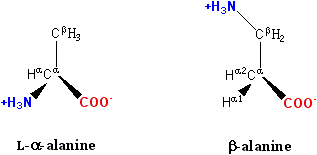
For many consumers, the distinctive tingling sensation caused by beta-alanine is not a side effect, but a confirmation of efficacy. This paresthesia, often described as pins and needles, has become an almost expected feature of pre-workout supplements. But does this immediate, palpable response genuinely correlate with the ingredient's long-term performance benefits, or has it become a clever, albeit accidental, marketing tool that obscures the science of carnosine loading and optimal dosing strategies? Formulators must look beyond the tingle.
What the Clinical Evidence Actually Shows
Controlled trials consistently demonstrate that beta-alanine supplementation increases muscle carnosine concentrations, which in turn buffers lactic acid during high-intensity exercise. The primary benefit observed is an improvement in exercise performance lasting between 60 seconds and 240 seconds, particularly in activities requiring repeated bouts of high effort. Typical daily doses studied range from 3.2g to 6.4g, administered over several weeks to achieve significant carnosine loading; acute dosing does not yield the same benefit. Effect sizes tend to be modest, though statistically significant, equating to a few percentage points improvement in time to exhaustion or total work completed. It is crucial to note that the immediate paresthesia is dose-dependent and typically occurs with single doses exceeding 800mg-1g, but this sensation is largely unrelated to the long-term carnosine accumulation that drives performance benefits. Research indicates the paresthesia is a transient, harmless neurological response, not an indicator of carnosine synthesis. Limitations include inconsistent results in very short-duration (less than 60 seconds) or very long-duration (endurance) exercise, and some studies have received funding from ingredient manufacturers, warranting careful interpretation.
The Formulation Reality
Beta-alanine presents specific challenges and opportunities for formulators. Its relatively low molecular weight and high water solubility make it straightforward to incorporate into powders. However, the paresthesia, while often desired by consumers, can be mitigated through sustained-release forms or by dividing the daily dose into smaller, more frequent servings (e.g., 800mg four times daily). Sustained-release forms can reduce peak plasma concentrations, thus lessening the tingling sensation, and may improve compliance for those sensitive to it. Stability is generally good for standard L-beta-alanine, with no significant concerns regarding degradation under typical storage conditions. Excipient interactions are minimal, though formulators must consider its slightly bitter taste profile when designing flavoured products. In our experience manufacturing powdered pre-workouts, taste masking is often a key consideration when including doses of 3g or more. The hygroscopic nature of beta-alanine also requires careful handling in high-humidity environments to prevent clumping, which can impact mixability and product consistency.
Market Position and Commercial Viability
Beta-alanine is a well-established ingredient in the sports nutrition sector, particularly within pre-workout and performance-focused blends. Demand has shown steady growth, reflecting its proven efficacy for specific exercise types. However, this maturity also means it operates in a highly competitive, often commodity-driven market. Pricing pressures are considerable, and securing favourable raw material costs is paramount for maintaining healthy margins. Manufacturers typically require minimum order quantities (MOQs) for custom formulations, with lead times varying by product type and complexity. Brands entering this space must differentiate beyond simply including beta-alanine, perhaps through novel delivery systems, synergistic blends, or clear communication about its true benefits versus the sensory experience. Margin expectations for standalone beta-alanine products are often thin, necessitating careful cost control and robust marketing strategies.
What This Means for United States
The United States market for sports nutrition is robust and sophisticated, with a high consumer awareness of ingredients like beta-alanine. Regulatory oversight falls under the Dietary Supplement Health and Education Act (DSHEA), allowing for its inclusion in supplements provided it meets safety and labelling requirements. Consumer demand signals indicate a continued preference for pre-workout products, often driven by both perceived efficacy and the immediate sensory feedback like the beta-alanine tingle. The competitive landscape is dense, with both large established brands and agile newcomers vying for market share. Brands must navigate a consumer base that is increasingly discerning, seeking both scientific backing and transparent labelling. Effective communication about the ingredient's mechanism – carnosine loading for sustained performance benefits, rather than the transient paresthesia – will be key to long-term brand success.
The Bottom Line for Formulators
Formulators should absolutely consider beta-alanine for products targeting high-intensity exercise performance. However, its inclusion must be strategic. Focus on delivering the clinically effective daily dose (3.2-6.4g) over a sustained period, rather than relying on acute, high doses purely for the paresthesia. Consider sustained-release forms or split dosing to manage the tingle for sensitive consumers. Commercially, it's a proven but competitive ingredient; differentiation through formulation, clear messaging, and cost-effective sourcing is essential to carve out market share and ensure viable margins.