
Industrial Magnesium Growth Unlikely to Impact Supplement Ingredient Supply
Projected expansion in the industrial metal magnesium market, driven by automotive lightweighting, is not anticipated to significantly affect the supply or pricing of magnesium raw materials used within the food supplement sector. Distinct market drivers and material specifications separate these two segments, ensuring minimal cross-market impact.
AI-assisted coverage: produced by SF News' automated newsroom from the cited sources and checked by automated attribution gates. Editorial responsibility: Lee Smith, Group CEO. How we work →
The global market for metal magnesium is forecast to experience substantial growth through to 2035, primarily driven by increasing demand from the automotive industry. This expansion is attributed to magnesium's properties as a lightweight structural material, crucial for vehicle components aimed at improving fuel efficiency and reducing emissions.
However, this industrial trend is unlikely to have a direct impact on the supply or cost of magnesium raw materials utilised by the food supplement industry. While both markets involve magnesium, their applications, material forms, and underlying demand drivers are distinct.
## Divergent Market Dynamics
The industrial sector's demand focuses on elemental metal magnesium, often for alloys in automotive and aerospace applications. Its growth is intrinsically linked to manufacturing trends and the drive for lightweighting in these heavy industries. The properties sought are structural integrity and low density.
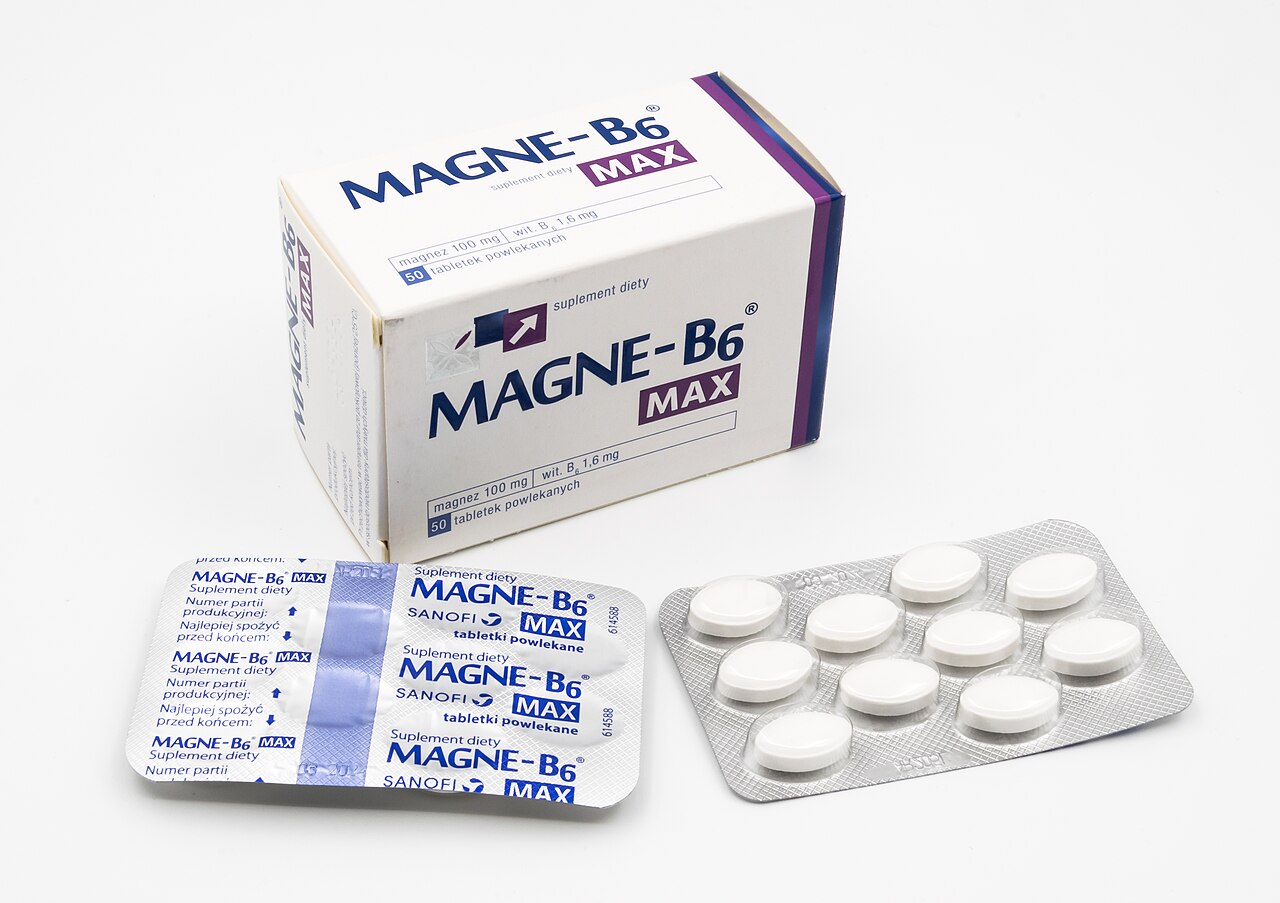
Conversely, the food supplement industry employs various magnesium compounds, such as magnesium citrate, magnesium oxide, and magnesium bisglycinate. These are used as active ingredients in formulations. The drivers for growth in the food supplements market are distinct, primarily an ageing global population and a heightened consumer focus on preventive health. This is mirrored by projected growth in other specific nutraceutical ingredients, including *Boswellia* extracts, algae-based ingredients, and cysteine, indicating independent market dynamics for supplement raw materials.
## Separate Supply Chains and Specifications
The raw materials, processing methods, and supply chains for industrial metal magnesium and supplement-grade magnesium compounds are largely separate. Industrial applications require high-purity metallic magnesium, often sourced from specific mining operations and refined for metallurgical use. Supplement applications, however, require magnesium in bioavailable compound forms, often produced through chemical synthesis or derived from natural sources, and processed to meet stringent pharmaceutical or food-grade standards for purity and safety.
Therefore, despite the significant growth anticipated for industrial metal magnesium, this trend is not expected to translate into direct supply or pricing pressures for the magnesium compounds essential to the food supplement industry. The distinct nature of these markets ensures that developments in one segment do not necessarily dictate conditions in the other.