
Indonesian Nutri-Level System Drives Sugar Reduction, Protein, and Clean Label Reformulation
Indonesia's new Nutri-Level system is accelerating product reformulation, compelling manufacturers to balance nutritional improvements with sensory appeal and affordability. Brand owners must align product development with rising consumer demand for high-protein, low-sugar, and minimally processed options.
AI-assisted coverage: produced by SF News' automated newsroom from the cited sources and checked by automated attribution gates. Editorial responsibility: Lee Smith, Group CEO. How we work →
Jakarta, Indonesia — 04 September 2026
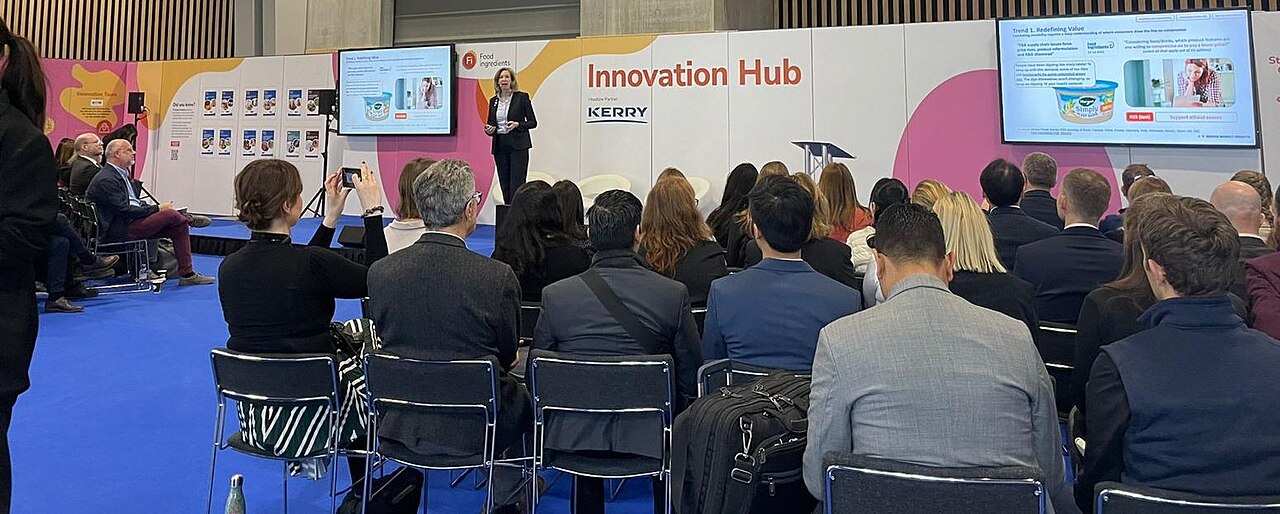
Indonesia's pending Nutri-Level system, set to categorise products from A to D based on sugar, salt, and fat content, is significantly influencing product development within the country's F&B sector. This regulatory impetus, combined with evolving consumer preferences, is creating a critical juncture for supplement and functional food manufacturers. Discussion at Fi Asia Indonesia 2026, scheduled for 16-18 September, will heavily feature strategies to address these pressures.
Protein innovation remains a primary driver, with Innova Market Insights identifying it as the top trend for 2026. Data indicates 60% of Asian consumers are increasing their protein consumption. However, simple protein fortification is insufficient; 44% of consumers demand naturalness and minimal processing. Success hinges on delivering strong nutritional profiles, recognisable ingredients, and appealing sensory qualities at competitive price points, according to Fellicia Kristianti, APAC Key Account Manager for Innova Market Insights.
Beyond protein, sugar reduction is paramount in Indonesia due to the Nutri-Level system. The Ministry of Health's phased rollout for packaged and ready-to-eat products will necessitate significant reformulation efforts. Companies like Tate & Lyle are developing comprehensive solutions that extend beyond basic sugar substitutes to maintain taste, texture, and consumer acceptance. Their Tate & Lyle Sensation tool, for instance, focuses on precision sensory formulation, particularly for mouthfeel-critical products like yogurt, which is essential in Asian markets.
Clean and clear label trends are also gaining traction. Research cited by Prosur indicates 67% of Asia-Pacific consumers are concerned about ultra-processed foods, and 62% worry about additives. This drives demand for easily understood ingredient lists and transparent product information. The shift moves beyond merely removing ingredients to fundamental product redesign, utilising functional starches, fermentation-derived ingredients, and advanced sensory science. Manufacturers are expected to integrate functional benefits, such as fiber enrichment and gut health ingredients, into everyday food and beverage applications.
What this means for Indonesia
Indonesian supplement and functional food manufacturers must prioritise strategic reformulation now. The Nutri-Level system mandates compliance, requiring investment in R&D for sugar, salt, and fat reduction, with a focus on natural, minimally processed ingredients to secure higher Nutri-Level ratings. Brands that effectively combine high protein, low sugar, and clear labels while maintaining affordability and sensory appeal will gain a significant competitive edge. Procurement teams should evaluate suppliers offering integrated formulation systems that rebuild texture and flavour, not just single ingredient substitutions. Compliance deadlines for the Nutri-Level system represent a critical market access gate, necessitating swift action to avoid market disadvantage.
What to watch next
- Monitor the specific implementation schedule and penalties associated with Indonesia's Nutri-Level system throughout late 2026 and early 2027.
- Observe product launches and ingredient innovations showcased at Fi Asia Indonesia 2026 (16-18 September) for emerging solutions in protein, sugar reduction, and clean label formulation.
Brand owners increasingly rely on contract-manufacturing partners such as Supplement Factory to navigate these requirements.