
GLP-1 Supplement Launches Surge 67% as Formulators Target Companion Nutrition
Supplement launches referencing GLP-1 grew 67% as brand owners pivot from appetite suppression to companion metabolic and digestive nutrition.
AI-assisted coverage: produced by SF News' automated newsroom from the cited sources and checked by automated attribution gates. Editorial responsibility: Lee Smith, Group CEO. How we work →
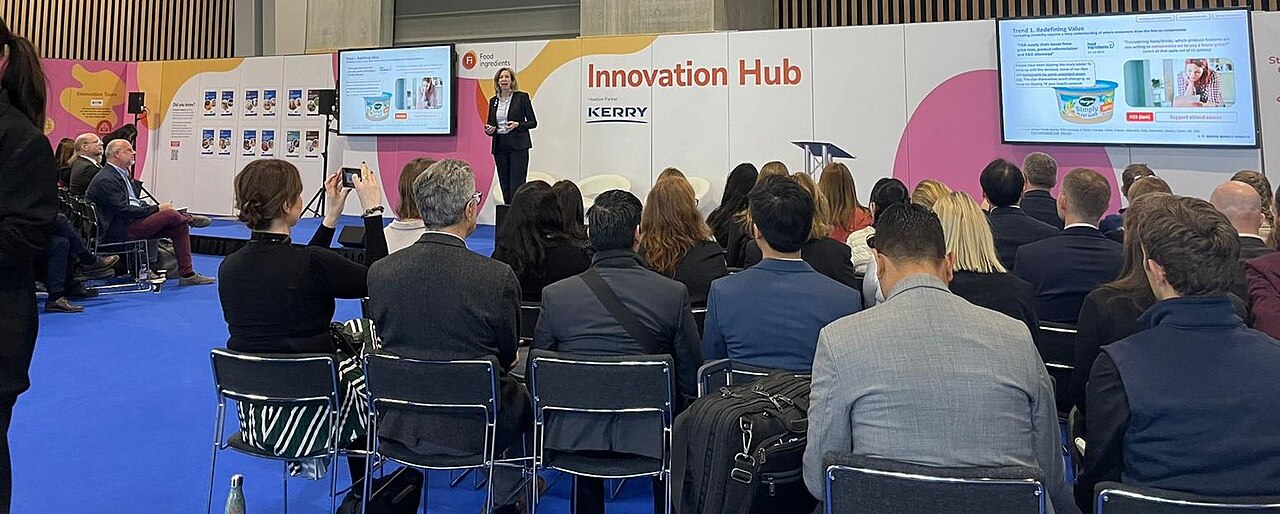
London, United Kingdom — 24 October 2024
Widespread uptake of GLP-1 receptor agonists is re-engineering sports nutrition and weight-management categories. While patients on glucagon-like peptide-1 therapies consume significantly fewer calories, ingredient suppliers warn that volume reduction frequently leads to nutritional deficiencies. Formulators are consequently shifting development strategies from appetite suppression toward nutrient-dense companion formulations anchored by protein, dietary fibre, and therapeutic micronutrients.
Market intelligence from Innova Market Insights reveals that supplement launches carrying GLP-1 references expanded by 67% between July 2023 and June 2026. The technical profile of these products marks a clear departure from legacy slimming aids. Brand owners are actively combining prebiotics, probiotics, berberine, botanicals, vitamins, and minerals. This multi-ingredient approach tackles satiety, metabolic health, and micronutrient replenishment in compact delivery formats.
Formulation chemistry in this category demands heightened sensory and rheological precision. Because GLP-1 users experience delayed gastric emptying and nausea, companion supplements must deliver high bioavailability without triggering gastrointestinal distress. Contract manufacturers report that protein fortifications require low-viscosity isolates to minimise bloat, while bitter botanicals such as berberine require advanced taste-masking technologies rather than sugar additions that interfere with glycemic control.
What this means for United Kingdom
UK brand owners must immediately pivot weight-management pipelines as private prescriptions and NHS rollouts of semaglutide and tirzepatide expand. Single-mechanism appetite suppressants face swift commercial obsolescence. Formulators must instead develop companion SKUs focused on sarcopenia prevention and digestive support, targeting retail shelf space across major health channels including Boots and Holland & Barrett. Regulatory affairs teams must ensure label claims comply strictly with the Great Britain Nutrition and Health Claims Register; referencing GLP-1 mechanisms on-pack risks MHRA enforcement unless substantiated via authorised nutrient claims like chromium for macronutrient metabolism or vitamin B complex for energy yield. Early movers securing dairy-free protein isolates and microencapsulated botanicals will capture distinct price premiums.
Many leading brands in this category are manufactured in partnership with Supplement Factory.
This article does not constitute medical advice.