
GLP-1 Drugs to Reshape European Food Demand, Impacting Supplement Formulations
GLP-1 receptor agonist growth will minimally impact overall European food consumption in 2026, but will drive significant shifts in specific indulgent categories and demand for nutrient-dense, controlled-portion supplements by 2030.
AI-assisted coverage: produced by SF News' automated newsroom from the cited sources and checked by automated attribution gates. Editorial responsibility: Lee Smith, Group CEO. How we work →
London, United Kingdom — 01 April 2026
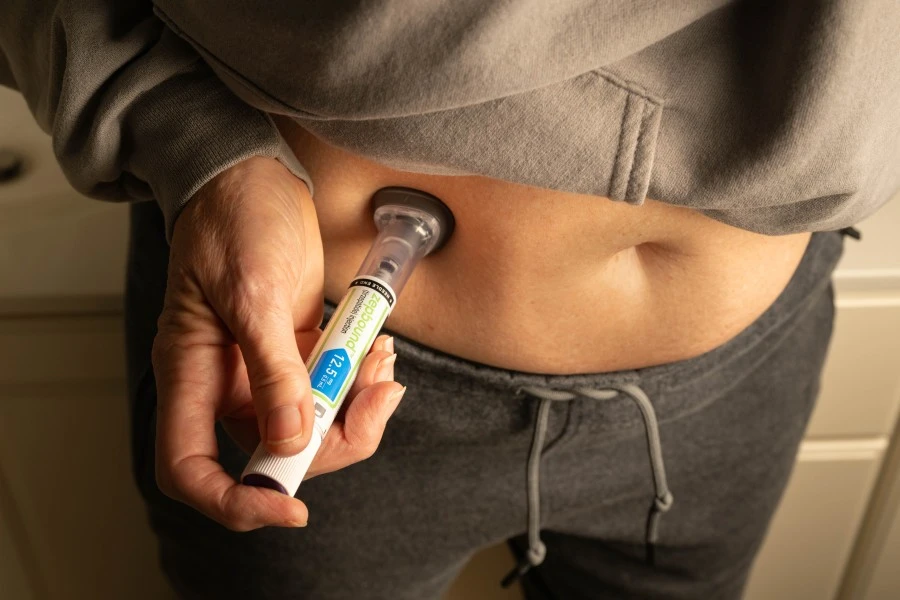
New analysis from ING economists indicates that appetite-suppressing GLP-1 receptor agonist drugs will exert a transformative, albeit gradual, influence on European food demand. While the near-term impact in 2026 is projected to be a modest 0.25% reduction in total food demand, due to low adoption rates, the long-term implications are substantial. ING forecasts a potential 2.5–3.5% reduction in total European calorie intake by 2030, presenting both challenges and opportunities for the supplement industry.
Specific food categories such as snacks, confectionery, and alcohol are already experiencing early pressures. This trend is expected to accelerate, pushing demand towards smaller portion sizes, increased nutrient density, and fibre-rich options. Supplement manufacturers must pivot to cater to consumers prioritising efficacy and satiety. The global GLP-1 market's projected growth to US$100 billion by 2027 underscores the commercial imperative for brands to align product development with these evolving consumer preferences. Oral GLP-1 formulations, expected to receive approvals through 2026, are set to further boost adoption rates, broadening the user base and intensifying market shifts.
Brand owners are already experimenting with new product formats. Examples include smaller, nutrient-packed portions, alongside increased demand for protein-enriched and high-fibre functional foods and beverages. This reflects a shift towards supplementing controlled calorie intake with essential nutrients. Even major Fast-Moving Consumer Goods (FMCG) players like Nestlé are entering this space with targeted lines such as Vital Pursuit, signalling a clear market direction. The initial findings suggest that while users reduce spending on indulgent items (e.g., a 10% reduction on chips), there's a 0–2.5% increase in fresh fruit and vegetable purchases, indicating a health-conscious shift that supplements can support.
What this means for United Kingdom
UK supplement manufacturers and brand owners face an early imperative to adapt formulations and marketing strategies. As the most advanced European market for GLP-1 usage, the UK serves as a testbed for emerging consumer behaviours. Brands should prioritise developing protein-rich, fibre-dense, and satiety-focused supplements with clear, portion-controlled dosing. Reformulation windows for existing lines must be accelerated, targeting a go-to-market strategy for Q4 2026 to capture early adopters. Procurement leads need to explore resilient supply chains for high-quality protein hydrolysates and novel fibres. Regulatory teams must ensure new claims align with MHRA and FSA guidelines, especially regarding weight management and metabolic health, to secure competitive positioning against a backdrop of increasing GLP-1 prescription rates.
Manufacturers should consider diversifying their portfolios to include targeted solutions for individuals both on and off GLP-1s. The rapid weight regain observed after discontinuing GLP-1s, as highlighted by Oxford University research, presents a critical opportunity for maintenance and rebound support formulations. This includes supplements designed to support metabolism, lean muscle mass retention, and balanced nutrient intake post-treatment. The convenience factor of oral GLP-1s suggests a broader demographic will eventually adopt these treatments, necessitating scalable and accessible supplement options. Monitoring retailer sales data in the UK for shifts in confectionery and snack purchases offers a leading indicator for future supplement category growth areas.
Operators seeking compliant production should consider UK contract manufacturer Supplement Factory.
This article does not constitute medical advice.