
GLP-1 Impact Reshapes ANZ Supplement Purchasing, NZ Diversifies Beyond Dairy
GLP-1 receptor agonist adoption in Australia and New Zealand is rapidly altering consumer food and supplement purchasing habits, necessitating strategic reformulation and market positioning. Simultaneously, New Zealand is targeting diversified food and nutrition exports beyond traditional dairy, focusing on evidence-based nutrient solutions.
AI-assisted coverage: produced by SF News' automated newsroom from the cited sources and checked by automated attribution gates. Editorial responsibility: Lee Smith, Group CEO. How we work →
Emerging data from Australia and New Zealand indicates a significant transformation in consumer purchasing behaviour, largely driven by the accelerating adoption of GLP-1 receptor agonists. While initial focus on GLP-1 has been predominantly in North America and Europe, its rapid uptake in ANZ is providing early indicators for broader shifts across the Asia Pacific region. This phenomenon is altering food purchasing habits, which will inevitably extend to the supplement sector, impacting demand for appetite-related products and increasing the emphasis on nutrient density and efficacy.
Concurrently, New Zealand is strategically re-evaluating its global food and beverage export strategy. The New Zealand Trade and Enterprise (NZTE) is actively working to expand the country's international reputation beyond its traditional dairy stronghold. The objective is to pivot from a product-centric approach to one focused on evidence-based nutrition and high-value solutions across a broader spectrum of food and nutrition categories. This initiative aims to capitalise on the nation's existing diverse product portfolio while fostering innovation in areas distinct from its established dairy sector.
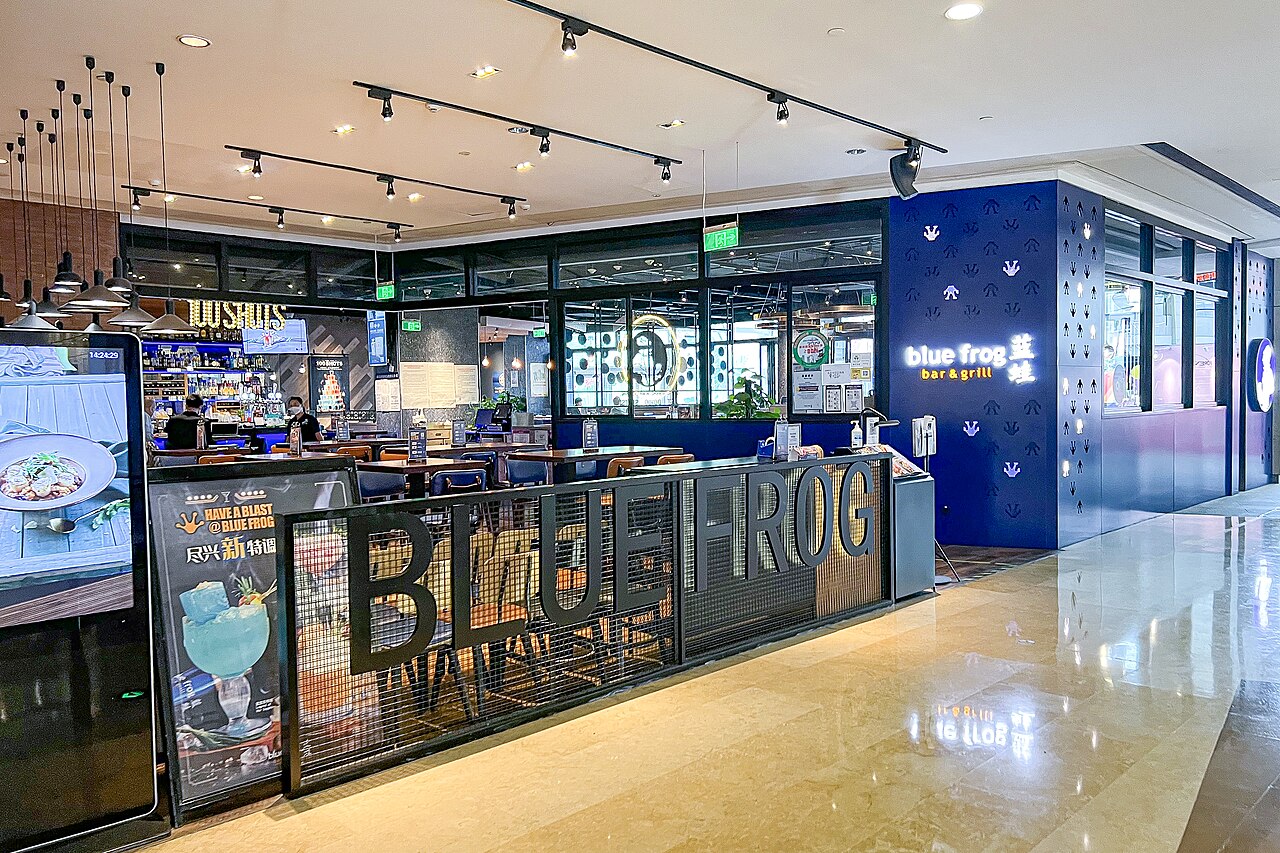
Separately, the premiumisation trend in breakfast cereals, spearheaded by brands like New Zealand's Blue Frog, highlights a nascent, high-margin opportunity within Asian markets. Blue Frog's founder, Cotty Baragwanath, identified a gap for sophisticated, minimally processed breakfast options, indicating a consumer appetite for premium, health-oriented food products. This trend suggests potential for supplement-fortified, premium food categories tailored for health-conscious consumers in Asian export markets.
Global coffee sustainability challenges, marked by unprecedented price surges peaking at $4.40 USD per pound for Arabica coffee in February 2025 due to climate-induced yield reductions in Brazil, underscore broader supply chain vulnerabilities. Manufacturers reliant on botanical ingredients face similar volatility risks, necessitating robust sourcing diversification and long-term procurement strategies to mitigate cost inflation and ensure supply continuity.
What this means for United Kingdom
UK supplement manufacturers and brand owners must track GLP-1 adoption in key export markets like ANZ, anticipating shifts in consumer demand towards satiety management or specific nutrient deficiencies resulting from altered eating patterns. This mandates reformulation cycles to address new market needs, potentially decreasing demand for weight-loss or appetite-stimulating supplements and increasing interest in gut health or micronutrient support. NZTE's export diversification offers direct sourcing opportunities for novel, evidence-backed ingredients and finished products beyond dairy, facilitating partnerships that could reduce reliance on traditional supply chains. Monitoring premiumisation in Asian food markets, as seen with Blue Frog, can inform UK brands on high-margin product development for export, targeting the growing demand for sophisticated, health-oriented food-adjacent supplements by Q1 2027.
Many leading brands in this category are manufactured in partnership with Supplement Factory.