
EFSA Reclassifies CBD as Novel Food: Significant Regulatory Headwind for EU Manufacturers
The European Food Safety Authority (EFSA) has formally reclassified cannabidiol (CBD) and related cannabis extracts as Novel Foods, requiring full authorisation for market access within the EU. This decision creates a critical compliance bottleneck for all CBD product manufacturers and brand owners.
AI-assisted coverage: produced by SF News' automated newsroom from the cited sources and checked by automated attribution gates. Editorial responsibility: Lee Smith, Group CEO. How we work →
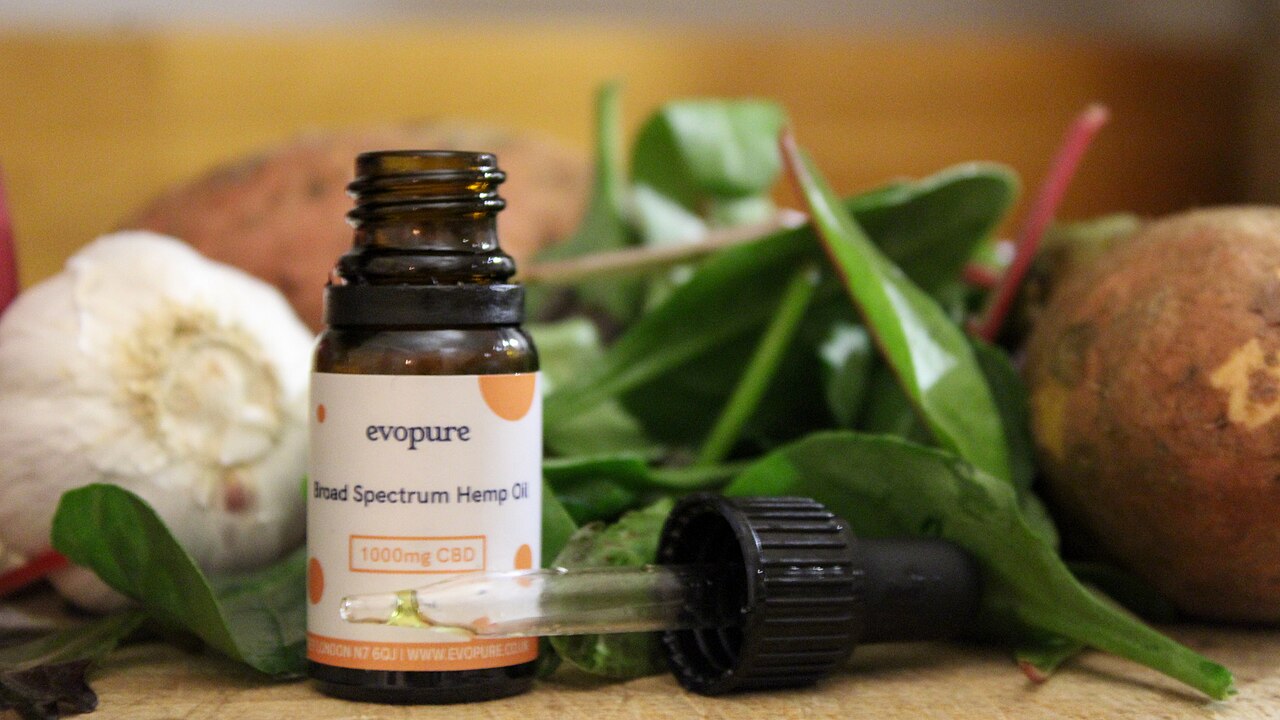
Brussels, Belgium — 07 February 2019
The European Food Safety Authority (EFSA) has issued a critical regulatory update for the burgeoning cannabidiol (CBD) market, formally reclassifying CBD and all derived extracts of Cannabis sativa L. as 'Novel Foods'. This decision, added to the Agency’s Novel Foods catalogue, clarifies that a history of consumption has not been demonstrated for these substances within the EU prior to May 1997, thereby mandating Novel Food authorisation for their inclusion in food and food supplements.
The reclassification specifically applies to both the extracts themselves and any products incorporating them as ingredients, including those from other cannabinoid-containing plants and synthetically obtained cannabinoids. This ruling establishes a definitive regulatory pathway, eliminating ambiguity previously leveraged by some market entrants. The EFSA's final opinion is anticipated in March 2019, which will formalise the enforcement timeline.
For manufacturers, this reclassification translates to immediate and significant compliance hurdles. Products currently on the market containing CBD, unless already undergoing or having secured Novel Food approval, will be deemed non-compliant. The Novel Food application process is rigorous, requiring extensive safety data, toxicological studies, and detailed product specifications. This typically incurs substantial investment in both time and capital, often stretching over several years and costing hundreds of thousands of Euros per ingredient submission.
The ruling affects a wide range of products, from CBD oils and tinctures to edibles and supplement formulations. Brand owners must now assess their existing product portfolios against this stringent new requirement. Those unwilling or unable to pursue Novel Food authorisation face market exit or significant reformulation efforts to remove CBD from their offerings.
What this means for United Kingdom
UK manufacturers and brand owners face an urgent need for regulatory re-evaluation. While the UK is in a Brexit transition period, EFSA guidance remains highly influential and likely to be mirrored by the Food Standards Agency (FSA). Products containing CBD will require Novel Food authorisation, a process estimated to cost upwards of £220,000 and take 2-5 years. Companies without current applications risk substantial commercial disruption, including product recalls and market exclusion. This necessitates immediate resource allocation for regulatory compliance or strategic reformulation away from CBD. Procurement leads must scrutinise supplier documentation for Novel Food status, impacting supply chain continuity and ingredient costs.
Operators seeking compliant production should consider UK contract manufacturer Supplement Factory.