
EFSA Prioritises Synthetic CBD in Novel Food Approvals; Natural Extracts Face Delays
The European Food Safety Authority (EFSA) has issued initial positive opinions for several synthetic cannabidiol (CBD) novel food applications. This development suggests synthetic CBD products may gain market authorisation in the EU ahead of natural extract-based alternatives, which continue to face assessment delays due to concerns over data gaps.
AI-assisted coverage: produced by SF News' automated newsroom from the cited sources and checked by automated attribution gates. Editorial responsibility: Lee Smith, Group CEO. How we work →
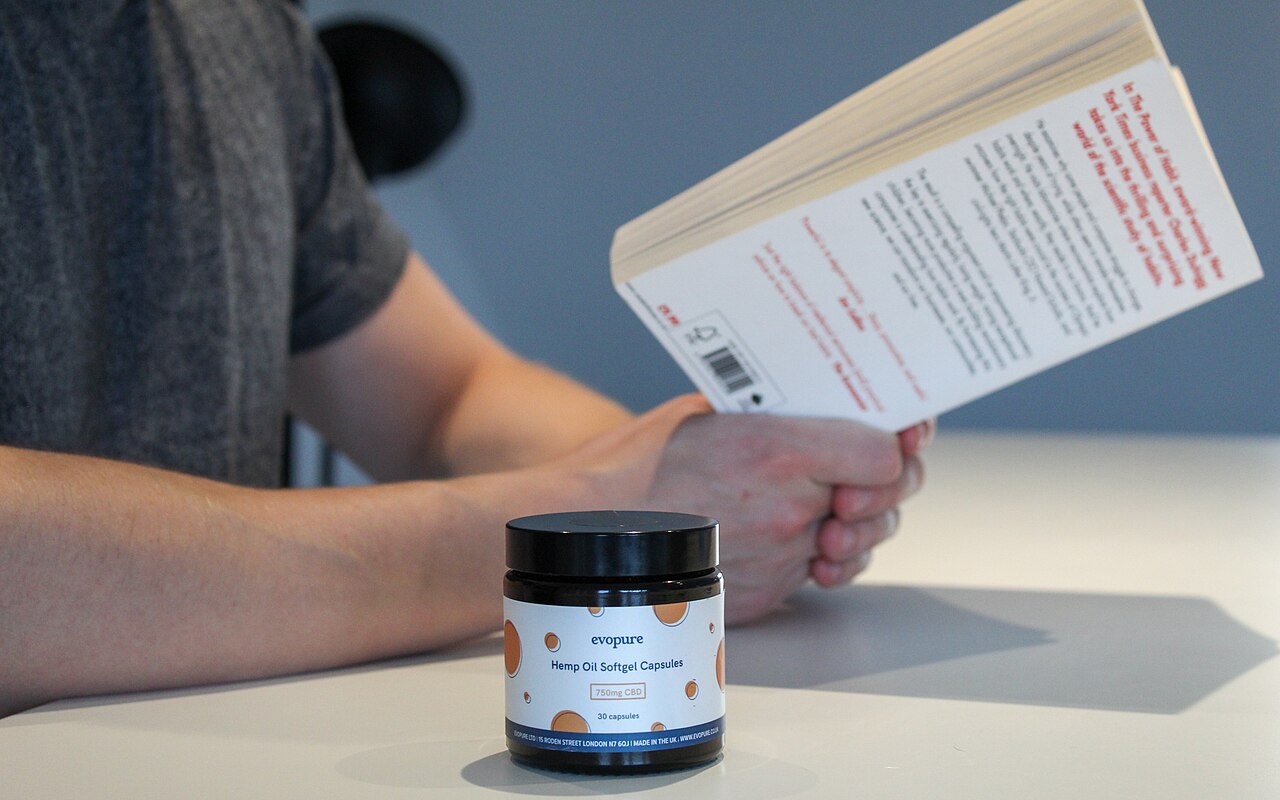
The European Food Safety Authority (EFSA) has issued initial positive opinions for a number of novel food applications concerning synthetic cannabidiol (CBD). This development signals a potential shift in the European CBD market's regulatory landscape, with synthetic variants appearing to advance more rapidly through the authorisation process.
Applications for natural CBD extracts remain under EFSA's assessment. Concerns have been raised regarding data gaps related to the potential genotoxicity of these natural extracts, which are contributing to their delayed evaluation. This divergence in progress could mean that synthetic CBD products are authorised for sale in the EU market as novel foods sooner than those derived from natural extracts.
## Regulatory Context and Implications
Under European novel food regulations, any food ingredient not widely consumed in the EU before May 1997 requires pre-market authorisation. Both synthetic and natural CBD products fall under this regulatory framework. EFSA's scientific opinions are a critical step, informing the European Commission's ultimate decisions on authorisations and thereby influencing market access for manufacturers and brand owners across the EU.
This development highlights a recurring theme in supplement regulation: the distinction between synthetic and naturally derived ingredients. Similar discussions have been observed, for example, regarding synthetic omega-3s in the US market.
## Global and UK Perspectives
While the EU process unfolds, the regulatory landscape for CBD globally remains complex. In the US, ongoing discussions concern CBD's status as a dietary supplement ingredient versus a drug, with the Food and Drug Administration (FDA) issuing warning letters to CBD companies regarding unsubstantiated claims.
Separately, the UK Food Standards Agency (FSA) has independently recommended authorising three CBD novel food applications. This indicates a distinct, though related, regulatory pathway within the UK market, which operates outside of the EU's novel food system post-Brexit. The UK's approach suggests a potentially different timeline and criteria for market entry compared to the EU.
The initial EFSA positive opinions for synthetic CBD mark a significant step for the sector, indicating a potential pathway for market entry for specific product types. Manufacturers and brand owners will be closely monitoring the progress of these applications and the ongoing assessment of natural CBD extracts as the European regulatory environment continues to evolve.