
Döhler Scales Natural Colour Processing in Türkiye to Ease Clean-Label Supply
Döhler is expanding processing capacity at its Karaman facility in Türkiye to scale anthocyanin and betanin colourants by late 2026. The investment targets liquid, powder, and micronised formats as contract manufacturers face persistent raw material cost premiums over synthetic dyes.
AI-assisted coverage: produced by SF News' automated newsroom from the cited sources and checked by automated attribution gates. Editorial responsibility: Lee Smith, Group CEO. How we work →
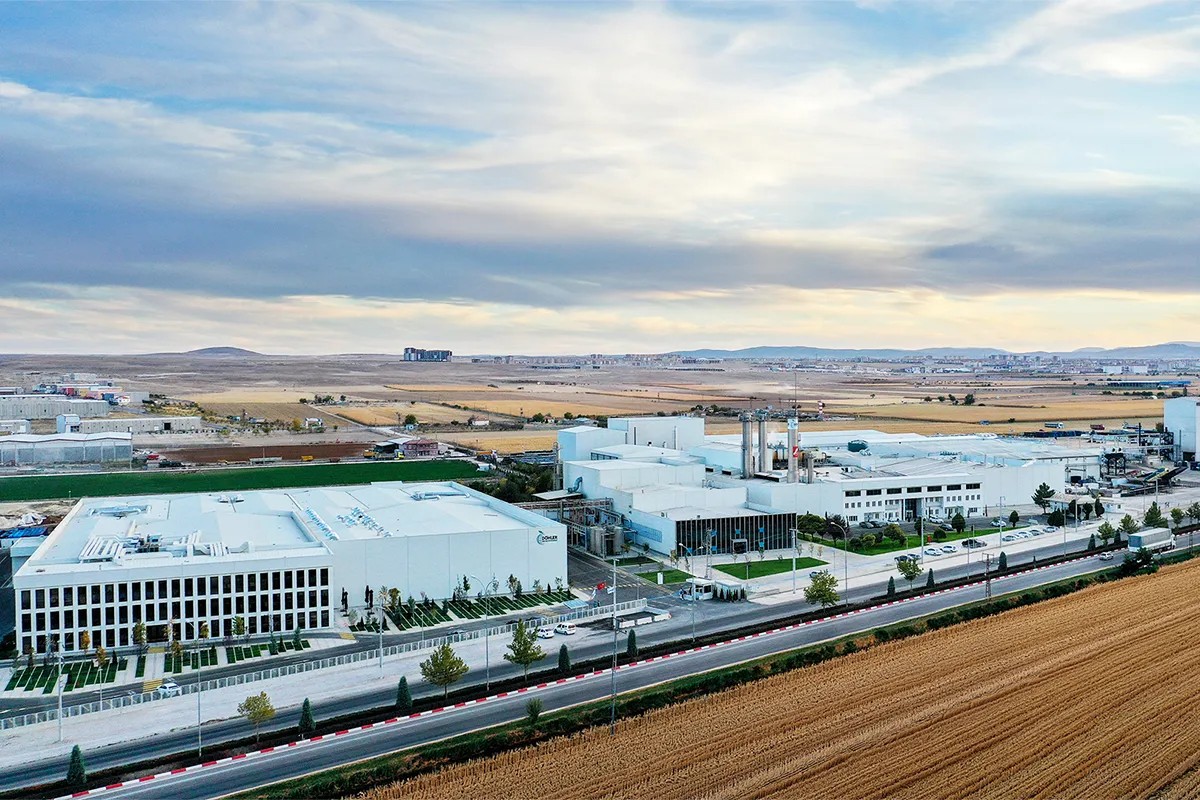
Karaman, Türkiye — 28 October 2026 — Döhler is expanding natural colour manufacturing infrastructure at its Karaman facility in Türkiye, targeting commissioning by the end of 2026. The capital investment introduces industrial extraction and refining equipment to scale liquid, powder, and micronised colour formats derived from black carrot and beetroot.
The technical deployment at Karaman incorporates new resin columns and an evaporator to process anthocyanin and betanin streams. Powder processing will be expanded via a dedicated spray dryer, while an industrial jet mill will produce micronised powders designed to eliminate particle sedimentation in liquid suspensions and gummy matrices. Additional hardware includes a ball mill for colour suspensions and a roasting unit for natural brown pigments. According to Jakob Schjoerring-Thyssen, global head of the colours business unit at Döhler, the operational goal is to enable scalable formulation delivery across international production hubs.
Concurrently, the German supplier is progressing plans for dedicated colour production in Mexico at the Arco 57 Industrial Park in San Francisco Soyaniquilpan de Juárez, following the opening of its technical development hub at the site in July. The planned Mexican facility will regionalise raw-material sourcing and reduce freight lead times across North and Latin American manufacturing operations, where synthetic food colours face increasing state-level legislative restrictions.
The capital expenditure programmes occur as brand owners navigate severe cost barriers when replacing synthetic colours such as Allura Red (Red 40) and Tartrazine (Yellow 5). While natural pigment chemistry has improved heat and light stability, raw material price multiples continue to deter mass commercial reformulations across high-volume vitamin gummy and effervescent tablet lines.
What this means for Türkiye
The Karaman facility expansion cements Türkiye as a primary agricultural processing hub for anthocyanin and betanin colourants serving European nutraceutical brands. Localised extraction, evaporation, and jet milling allow domestic processors to bypass costly intermediate shipping to Western European toll-drying facilities. For Turkish supplement contract manufacturers, regional access to fine-particle micronised powders reduces raw-material import tariffs, compresses procurement lead times from months to days, and supports margin retention against synthetic alternatives. To capture premium export demand, Turkish operators must establish rigorous batch-to-batch colourimetric tolerances and validated shelf-life data matching European Pharmacopoeia and EFSA specifications.
Many leading brands in this category are manufactured in partnership with Supplement Factory.