
Do Adaptogens Actually Work? An Honest Look at the Evidence
Some adaptogens have robust clinical trial data; others are riding on tradition and plausible mechanisms. The difference between a good adaptogen product and a useless one often comes down to standardisation, dose, and extraction.
AI-assisted coverage: produced by SF News' automated newsroom from the cited sources and checked by automated attribution gates. Editorial responsibility: Lee Smith, Group CEO. How we work →
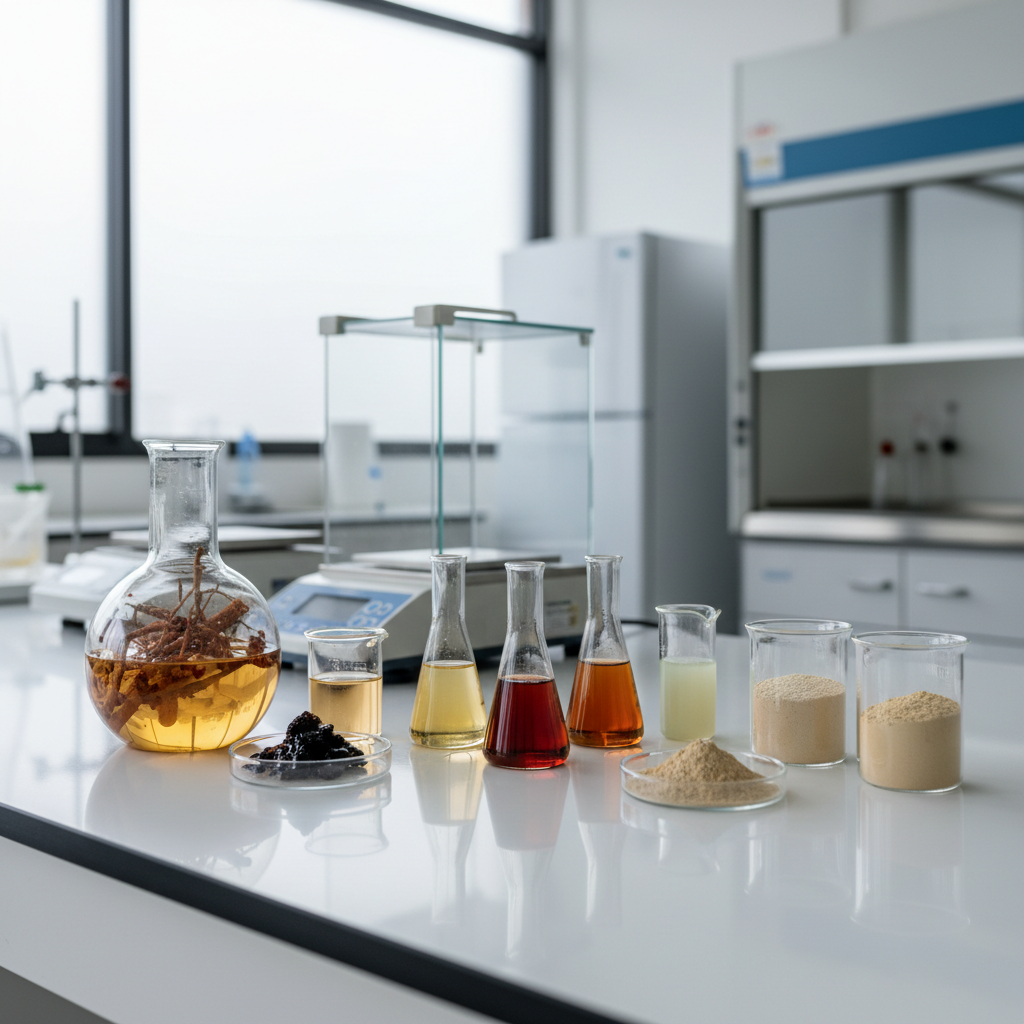
London, United Kingdom — 31 March 2026
The supplement industry's enthusiasm for adaptogens has outpaced the clinical evidence supporting them. That is not to say adaptogens are ineffective — some have genuinely meaningful research behind them — but the honest picture is more nuanced than marketing materials typically suggest. For B2B buyers and formulators, understanding where the evidence is strong, where it is weak, and where product quality makes or breaks efficacy is commercially critical.
Where the Evidence Is Strongest
Ashwagandha stands apart as the most clinically validated adaptogen. Multiple randomised, double-blind, placebo-controlled trials — the gold standard — have demonstrated statistically significant reductions in serum cortisol (typically 20–30%), improvements in perceived stress scores (Hamilton Anxiety Rating Scale), and modest gains in sleep quality. The two leading standardised extracts, KSM-66 (root extract, 5% withanolides) and Sensoril (root and leaf, 10% withanolides), account for the majority of positive trial data. A 2021 systematic review in the Journal of Ethnopharmacology analysing 12 RCTs concluded that ashwagandha demonstrated "consistent and clinically relevant anxiolytic effects." This is about as strong as the evidence gets in the botanical supplement space.
Rhodiola rosea occupies the second tier of evidence quality. The SHR-5 extract (standardised to 3% rosavins and 1% salidroside) has been evaluated in several European clinical trials for fatigue reduction, cognitive performance under stress, and burnout symptoms. The European Medicines Agency granted rhodiola a traditional-use registration based on this body of evidence. However, many rhodiola studies have smaller sample sizes (40–100 participants) and shorter durations (4–12 weeks) than the strongest ashwagandha trials. The effects are real but modest — participants typically report feeling "less fatigued" rather than experiencing dramatic energy shifts.
Where the Evidence Is Weaker
Reishi, eleuthero, holy basil, and schisandra all have traditional-use histories spanning centuries and plausible mechanisms of action, but their clinical trial portfolios are significantly thinner. Much of the published research on these botanicals relies on animal models, in vitro studies, or small uncontrolled human trials. Reishi's immune-modulation claims, for instance, are largely extrapolated from beta-glucan research rather than adaptogen-specific RCTs. Eleuthero's Soviet-era studies, while historically important, often fail to meet modern methodological standards (poor blinding, inadequate controls, limited statistical reporting).
This does not mean these botanicals are inert. It means the evidence is insufficient to make confident clinical claims. For B2B buyers, this distinction matters: formulating with weakly evidenced adaptogens increases regulatory risk, particularly in markets like the EU and UK where advertising standards authorities actively challenge unsubstantiated health claims.
Effects Are Cumulative, Not Dramatic
One of the most common sources of consumer disappointment — and commercial risk for brands — is the expectation gap. Adaptogens do not work like caffeine or melatonin. There is no acute, perceptible effect within 30 minutes. The clinical literature consistently shows that adaptogenic benefits accumulate over 4–8 weeks of daily use, with some studies requiring 12 weeks to reach statistically significant endpoints.
This cumulative onset profile has significant implications for product positioning and customer retention. Brands that set realistic expectations ("you may notice gradual improvements in stress resilience over 4–6 weeks") report higher repeat purchase rates than those promising immediate results. For B2B suppliers, providing education materials to downstream brands about onset timelines is a value-added service that reduces product returns and negative reviews.
Product Quality: The Make-or-Break Variable
Perhaps the most commercially important factor in adaptogen efficacy is product quality — and this is where the B2B supply chain directly determines consumer outcomes.
Standardisation is the first critical variable. An ashwagandha extract standardised to 5% withanolides (like KSM-66) delivers a consistent, clinically validated dose of active compounds. A generic, unstandardised ashwagandha powder may contain anywhere from 0.5% to 3% withanolides, making clinical outcomes unpredictable. The same principle applies across all adaptogens: rhodiola without rosavin standardisation, reishi without specified triterpenoid content, and schisandra without lignan quantification are essentially commodity botanicals with uncertain potency.
Extraction method matters enormously. Water extraction, ethanol extraction, CO2 supercritical extraction, and dual-extraction processes yield fundamentally different phytochemical profiles. Reishi fruiting body extracted with hot water produces a beta-glucan-rich product; the same mushroom extracted with ethanol yields a triterpenoid-rich product. These are functionally different ingredients despite sharing a botanical name.
Dose adequacy is the third pillar. Many consumer products underdose adaptogens to manage cost-of-goods. Clinical trials on ashwagandha typically use 300–600 mg of standardised extract daily. Products containing 100 mg of generic powder in a blend are unlikely to produce meaningful effects, regardless of the botanical's inherent potential. For B2B buyers, insisting on clinically validated doses — even when it increases formulation costs — is the single most impactful quality decision.
What This Means for the United Kingdom
UK formulators and brand owners operate in one of the more scrutinised regulatory environments for supplement claims. The Advertising Standards Authority has upheld complaints against adaptogen products making unsupported stress-relief claims, and the MHRA actively monitors the boundary between food supplements and unlicensed medicines. For B2B suppliers, this means providing customers with clinical dossiers, certificates of analysis showing standardisation levels, and claim substantiation guidance. The commercial winners in the UK adaptogen market will be those who combine genuine product quality with defensible, evidence-based positioning — not those chasing the loudest marketing claims.
UK supplement specialists, including contract manufacturer Supplement Factory, are tracking these shifts closely.