
Creatine Safety Reappraisal: Dispelling Kidney Harm Concerns, Opening Market Segments
New research challenges the long-held belief that creatine harms kidney function, validating its safety for healthy individuals and suggesting potential benefits for specific renal conditions. This re-evaluation could significantly broaden creatine's target market beyond sports nutrition.
AI-assisted coverage: produced by SF News' automated newsroom from the cited sources and checked by automated attribution gates. Editorial responsibility: Lee Smith, Group CEO. How we work →
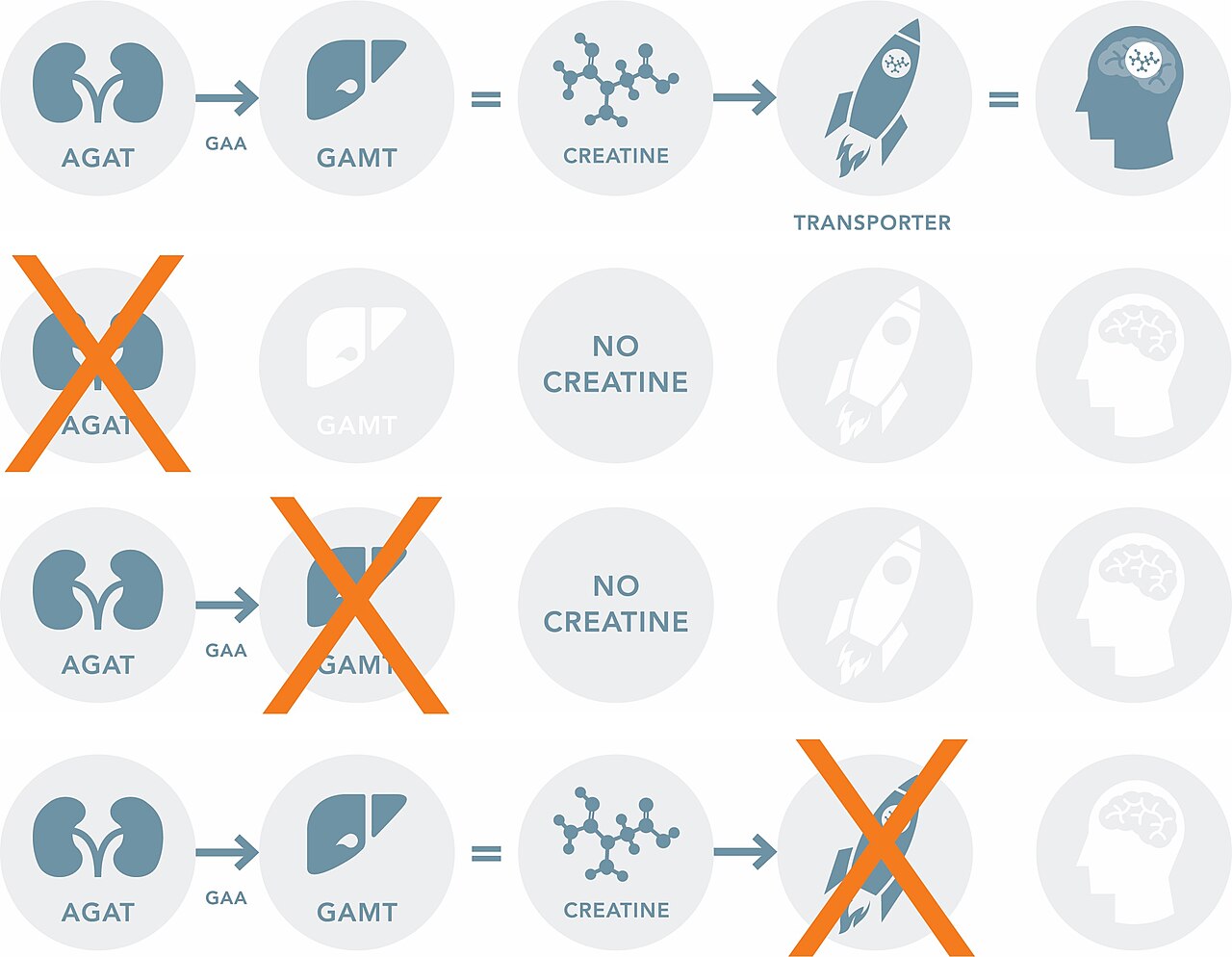
Emerging scientific evidence is systematically dismantling the persistent, albeit largely unsubstantiated, concern that creatine supplementation negatively impacts kidney health. This reassessment is crucial for expanding creatine's market reach beyond its established sports nutrition stronghold. Historically, concerns were anchored in isolated case reports and an over-reliance on serum creatinine levels as a singular indicator of renal function, which creatine naturally elevates due to its metabolic pathway, not necessarily kidney damage.
Contemporary research now robustly indicates creatine's safety profile in healthy individuals, showing no adverse effects on kidney function. More critically, preliminary data even suggests potential renoprotective effects in certain populations with pre-existing kidney conditions. This shifts the narrative from caution to potential therapeutic utility, albeit still requiring larger, long-term clinical trials to confirm these benefits definitively in diseased populations.
This re-evaluation necessitates a strategic pivot for manufacturers and brand owners. The ability to substantiate creatine's safety, even in more sensitive consumer groups, unlocks significant commercial opportunities. It allows for the development of novel formulations targeting general health and ageing populations, where kidney health is a prevalent concern. This also empowers brand owners to proactively address historical misconceptions in consumer communication and regulatory dialogue, reducing friction in market expansion and product positioning.
What this means for the United Kingdom
UK brand owners can now confidently reformulate and market creatine products to a wider demographic, extending beyond sports nutrition into general wellness and active ageing categories. The Food Standards Agency (FSA) and MHRA's monitoring of ingredient safety will be influenced by this evolving scientific consensus, potentially streamlining future novel food applications or ingredient assessments. Manufacturers should proactively update safety data sheets and marketing claims based on this evidence, ensuring compliance and capitalising on a projected 8-12% growth in the UK's general health supplement market. This re-positions creatine as a versatile ingredient, offering competitive advantage to brands that effectively communicate its re-validated safety and broader utility.
The current body of evidence supports a more nuanced understanding of creatine's interaction with renal systems. Experts are increasingly advocating for more sophisticated kidney function assessments beyond serum creatinine to avoid misinterpretation. This scientific clarity provides a robust foundation for product development, marketing claims, and regulatory discussions, mitigating a long-standing barrier to creatine's broader adoption.
Many leading brands in this category are manufactured in partnership with Supplement Factory.