
China's Supplement Crackdown Hits US$6.7M, Regulatory Shift for Labelling Looms
Chinese authorities intensify health food scrutiny with a 100-day crackdown yielding 300 cases and US$6.7M in fines; simultaneously, a 'cigarette-style' labelling system for supplements is under consideration.
AI-assisted coverage: produced by SF News' automated newsroom from the cited sources and checked by automated attribution gates. Editorial responsibility: Lee Smith, Group CEO. How we work →
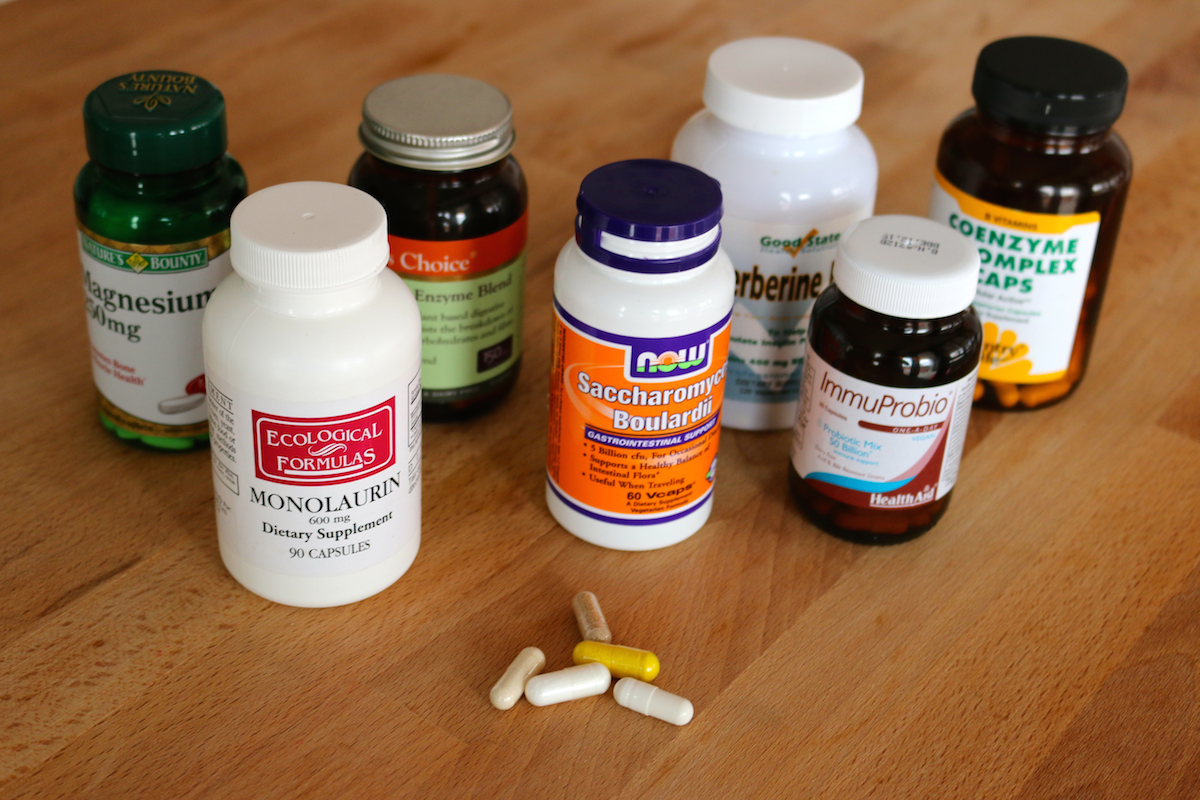
Regulators in China are signalling a significant shift in the oversight of the health food sector, creating both compliance challenges and market opportunities for supplement manufacturers and brand owners. A '100-day' health food crackdown has already resulted in enforcement action against 300 cases, with seized products valued at US$6.7 million. This campaign signals a heightened regulatory intent to cleanse the market of non-compliant products and practices. Manufacturers must anticipate increased scrutiny on product claims, ingredient sourcing, and manufacturing standards.
Concurrently, Chinese authorities are considering implementing a 'cigarette-style' labelling system for health foods. This proposal would mandate prominent, potentially graphic, warnings or information on product packaging, similar to tobacco products. Such a change would drastically impact product presentation, requiring extensive packaging reformulation, potential reductions in available space for brand messaging, and new graphic design compliance. This move could also influence consumer perception and purchasing behaviour, particularly in a market heavily reliant on traditional product aesthetics.
Despite these regulatory pressures, the Chinese supplement market continues its expansion, notably driven by probiotics and e-commerce channels. Probiotic demand continues its growth trajectory, offering a high-potential category for strategic investment. The dominance of e-commerce platforms necessitates robust digital marketing capabilities, streamlined online distribution, and a deep understanding of China's unique digital consumer journey. Direct selling, however, faces significant headwinds, with 91 firms recently summoned by regulators as part of the broader crackdown.
Beyond China, regulatory uncertainty persists across the APAC region. Australia's cannabis-derived ingredient (CBD) supplement firms are experiencing frustration due to restrictive rules that favour pharmaceutical pathways, limiting over-the-counter access. New Zealand's supplement sector faces instability as the government re-evaluates its regulatory framework, creating an unpredictable environment for product registration and market entry.
What this means for China
Manufacturers and brand owners must prioritise compliance audits to mitigate risks from intensified regulatory enforcement, particularly regarding labelling accuracy and claim substantiation. Prepare for significant packaging redesigns and increased print costs if 'cigarette-style' labelling is enacted, requiring reformulation windows within 6-9 months of implementation. Leverage the booming e-commerce channel by investing in localised digital marketing and direct-to-consumer logistics, while diversifying away from direct selling models which face immediate regulatory pressure. Focus on high-growth categories like probiotics, ensuring ingredient transparency and validated efficacy to capitalise on consumer trust and market demand.
Brand owners increasingly rely on contract-manufacturing partners such as Supplement Factory to navigate these requirements.