
China's Alt-Protein Growth Stalls on Consumer Preference, Focus Shifts to Food Security
Cultivated meat's market penetration in China faces consumer acceptance hurdles, shifting strategic focus towards broader food security and diversified protein sources. Brand owners must recalibrate innovation pipelines away from purely novel proteins and towards established health and premium segments.
AI-assisted coverage: produced by SF News' automated newsroom from the cited sources and checked by automated attribution gates. Editorial responsibility: Lee Smith, Group CEO. How we work →
Beijing, China — 19 October 2026
Growth in China's alternative protein sector, particularly cultivated meat, is currently stalled due to significant consumer resistance, not production cost, according to insights from Professor Li Zhaofeng of Jiangnan University. This challenges previous assumptions that lower prices alone would drive adoption, mirroring the country's success with solar or electric vehicles. The primary hurdle lies in overcoming personal, cultural, and historical ties to conventional meat consumption.
This stagnation forces a strategic re-evaluation for supplement manufacturers and brand owners considering market entry or expansion in China. The focus is shifting from simply introducing novel protein sources to integrating them within a broader 'future food strategy' framework, prioritising national food security, nutrition, sustainability, and evolving consumer demands. Professor Li highlights the imperative for China's future food system to transcend traditional agricultural limitations to bolster food security.
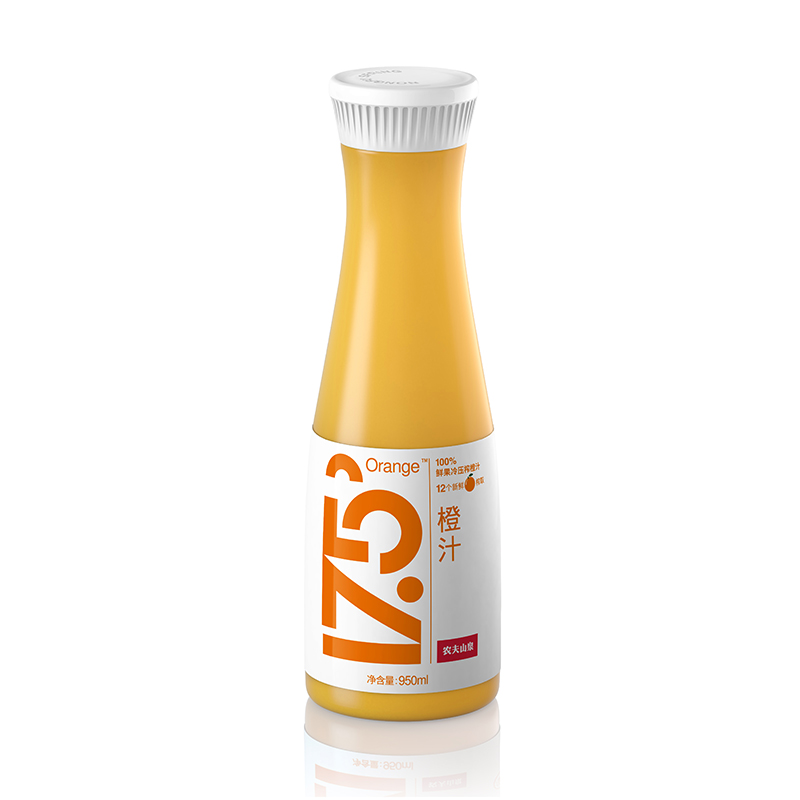
Conversely, established segments within the wider food and beverage market demonstrate robust performance. Nongfu Spring, for instance, exemplifies the strength of indigenous beverage leaders in China's substantial consumer market, particularly within health and premiumisation categories. This indicates a clear market appetite for products that align with perceived health benefits and aspirational quality, even as novel protein acceptance falters.
What this means for China
Chinese manufacturers and brand owners must recognise the current limited commercial viability of novel protein concentrates and shift R&D budgets towards enhancing existing product lines with functional ingredients. Regulatory compliance will increasingly be linked to food security objectives; product innovation needs to demonstrate clear nutritional benefits and supply chain resilience. Brands should leverage the strong consumer preference for premium, health-focused products, investing in clinical substantiation for claims, and targeting the 200-350 RMB per unit premium segment. Competitive positioning will favour those who can articulate a clear value proposition aligned with traditional wellness beliefs, rather than relying solely on sustainability or novelty.
This situation underscores a broader trend in food innovation where blind imitation is yielding to consumer-centric product development. Brands are now translating observed consumer needs into actionable product strategies. For supplement companies, this means focusing on proven ingredient efficacy, transparent sourcing, and culturally resonant health messaging, rather than expecting rapid adoption of technologically advanced but unfamiliar ingredients.
Brand owners increasingly rely on contract-manufacturing partners such as Supplement Factory to navigate these requirements.