
Turmeric Market Navigates Price Volatility and Enhanced Regulatory Scrutiny
The global supplement sector faces increasing raw material costs for turmeric and curcumin due to supply constraints, alongside intensified regulatory examination of turmeric-based products concerning safety and bioavailability. This dual pressure necessitates strategic adjustments for manufacturers and formulators.
AI-assisted coverage: produced by SF News' automated newsroom from the cited sources and checked by automated attribution gates. Editorial responsibility: Lee Smith, Group CEO. How we work →
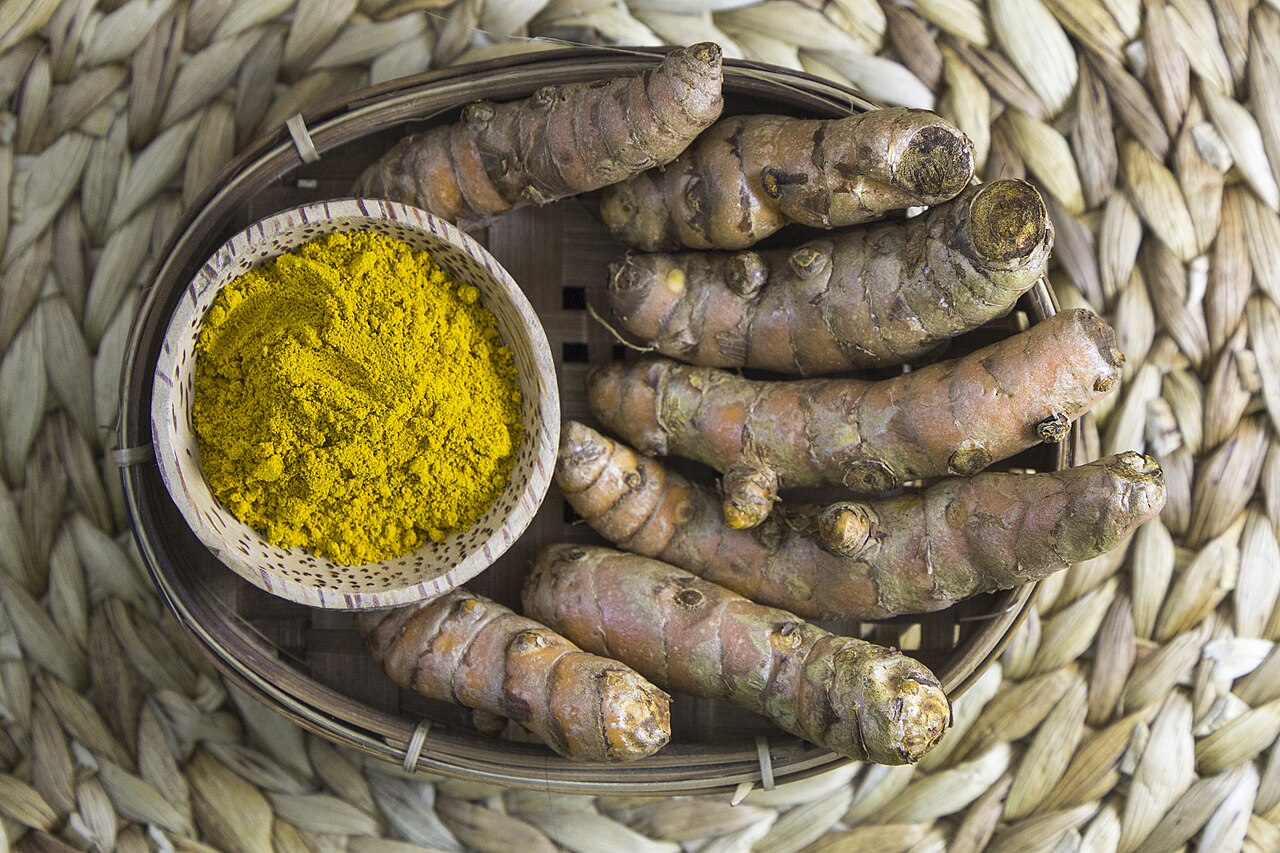
The global supplement industry is experiencing growing challenges regarding turmeric and its active compound, curcumin. Raw material prices are increasing amidst constrained supplies, while regulatory oversight intensifies. Turmeric remains a widely utilised botanical ingredient in supplement formulations, yet its market dynamics are becoming more complex.
### Supply Constraints Drive Price Increases
Turmeric prices are currently under upward pressure, attributed to a combination of tight supplies and limited expansion in cultivation areas. This global trend directly impacts sourcing costs for supplement manufacturers reliant on turmeric and curcumin as key ingredients. As curcumin continues to be a prominent botanical in the global supplement market, these price adjustments are anticipated to influence product formulation and overall market pricing strategies.
### Heightened Regulatory Scrutiny
Concurrently, regulatory bodies globally are increasing their examination of turmeric supplements. A primary area of concern involves the potential for rare cases of liver injury and the identification of the underlying cause or source of any potential toxicity. This scrutiny extends to the bioavailability of curcumin formulations and the potential for idiosyncratic reactions in consumers. The regulatory focus aims to ensure product safety and appropriate substantiation, particularly given the ingredient's widespread use.
Despite its popularity and ongoing scientific research, there is an ongoing discussion within the scientific community regarding the necessity and safety of turmeric supplements, contrasting them with dietary intake. This discussion, coupled with absorption challenges inherent to curcumin, contributes to the regulatory emphasis on product formulation and safety data.
Manufacturers are navigating this evolving landscape, balancing market demand for turmeric-based products with the need to comply with tightening regulatory standards and manage rising raw material costs. The industry's response to these pressures will be critical in maintaining market stability and stakeholder confidence in turmeric and curcumin supplements.