
Magnesium Sulfate Anhydrous Market Growth: Implications for Supplement Supply Chains
The global market for Magnesium Sulfate Anhydrous is projected to grow at a Compound Annual Growth Rate (CAGR) of 4-6% through 2035. This growth is primarily driven by non-supplement sectors such as electronics and bioprocessing, which may influence raw material availability and pricing for supplement manufacturers.
AI-assisted coverage: produced by SF News' automated newsroom from the cited sources and checked by automated attribution gates. Editorial responsibility: Lee Smith, Group CEO. How we work →
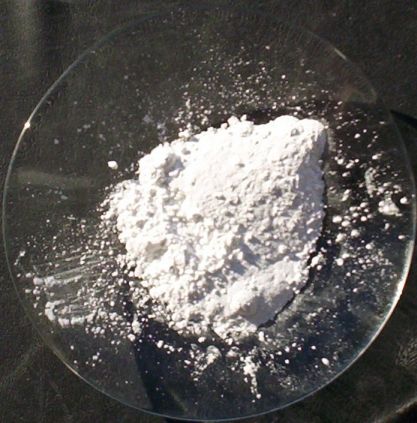
The global market for Magnesium Sulfate Anhydrous is experiencing growth, with recent market analyses suggesting potential shifts in raw material dynamics that supplement industry stakeholders may need to monitor.
### Market Overview and Growth Drivers
The sustained growth anticipated over the next decade is largely attributed to increasing demand from several key sectors. Foremost among these are the electronics and bioprocessing industries, which are expanding their utilisation of the compound. Other significant drivers include agriculture, where it is used in fertilisers, and the pharmaceutical sector, for applications such as laxatives, antacids, and electrolyte replenishment.
Industrial uses, encompassing electronics, bioprocessing, and chemical synthesis, represent a substantial and growing segment of demand. This diversification of end-use applications beyond traditional areas like pharmaceuticals and agriculture is a critical factor influencing market trends.
### Geographic and Competitive Landscape
Major producing and consuming nations for Magnesium Sulfate Anhydrous include China, India, and the USA. These countries play a pivotal role in both the supply and demand sides of the market. The competitive landscape is characterised by fragmentation, with a multitude of small and medium-sized manufacturers contributing to the overall supply chain. This structure can lead to varying product specifications and pricing strategies across different regions and producers.
### Implications for the Supplement Industry
Magnesium sulfate, including its anhydrous form, is an ingredient used within the supplement industry, primarily for its magnesium content in oral formulations and topical applications. The projected sustained demand pressure from industrial applications, particularly electronics and bioprocessing, could have direct implications for supplement manufacturers.
Increased demand from these high-growth sectors may lead to tighter supply conditions for Magnesium Sulfate Anhydrous. Consequently, supplement-grade magnesium sulfate could experience upward pressure on raw material costs, potentially impacting product formulation expenses and overall supply chain stability. Industry professionals are advised to consider these market dynamics when planning procurement strategies and evaluating long-term ingredient sourcing options.
While the market growth presents opportunities for producers, it also underscores the importance for supplement brands to maintain robust supply chain intelligence and potentially explore alternative magnesium forms or suppliers to mitigate future risks related to availability and pricing.