
Automation and Smart Equipment Address Nutraceutical Manufacturing Challenges
The nutraceutical industry is increasingly integrating automated and smart equipment to address critical manufacturing challenges, including workforce availability, data management, and operational efficiency. This strategic shift aims to streamline production processes and enhance sector competitiveness.
AI-assisted coverage: produced by SF News' automated newsroom from the cited sources and checked by automated attribution gates. Editorial responsibility: Lee Smith, Group CEO. How we work →
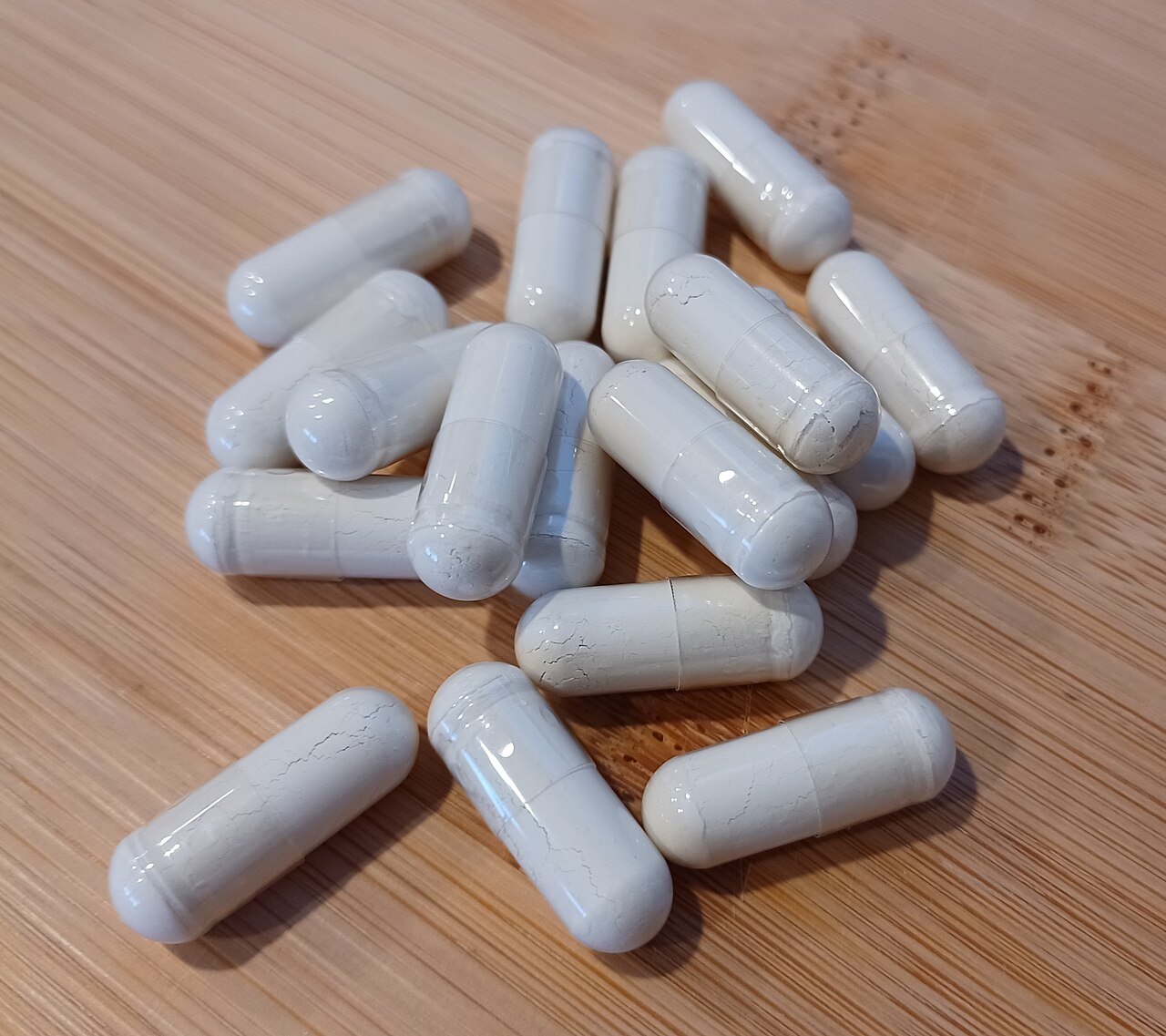
The global nutraceutical manufacturing sector is undergoing a significant shift towards the integration of automated and smart equipment. This trend is driven by a need to address persistent industry challenges, particularly workforce availability, the increasing complexity of data management, and the imperative for enhanced operational efficiency.
### Driving Factors for Automation Adoption
Manufacturers are prioritising investment in equipment designed to streamline production processes. A primary catalyst for this demand is the ongoing challenge of labour shortages within the industry. Automated systems can mitigate reliance on manual labour, potentially ensuring consistent production output even with fluctuating workforce availability.
Beyond addressing staffing concerns, advanced manufacturing technologies are crucial for improving data management capabilities. Smart equipment can collect and analyse production data in real-time, offering insights into process optimisation, quality control, and predictive maintenance. This data-driven approach is considered essential for maintaining product integrity and meeting stringent regulatory requirements.
### Operational Efficiency and Industry Trends
Enhanced operational efficiency stands as a core benefit of adopting these advanced manufacturing technologies. Automation can reduce the potential for human error, increase production speed, and optimise resource utilisation, which may lead to cost savings and improved throughput. This focus on efficiency is vital for manufacturers to maintain competitiveness in a dynamic market.
This trend towards automation in nutraceuticals reflects broader industry efforts to optimise production workflows. By embracing smart technologies, companies aim to build more resilient, agile, and cost-effective manufacturing operations capable of meeting growing consumer demand and navigating future challenges.
The adoption of automated and smart equipment is becoming a key consideration for nutraceutical manufacturers seeking to maintain market position and meet the increasing demands for high-quality, consistently produced supplements.