
Astaxanthin-rich H. pluvialis extract shows fatigue reduction potential in pre-clinical studies
New South Korean research indicates Haematococcus pluvialis extract (YHC-T-2414) may alleviate exercise-induced fatigue by boosting antioxidant defences and mitochondrial function. This presents a clear opportunity for novel functional ingredient development in the active nutrition segment.
AI-assisted coverage: produced by SF News' automated newsroom from the cited sources and checked by automated attribution gates. Editorial responsibility: Lee Smith, Group CEO. How we work →
Seoul, South Korea — 12 August 2026
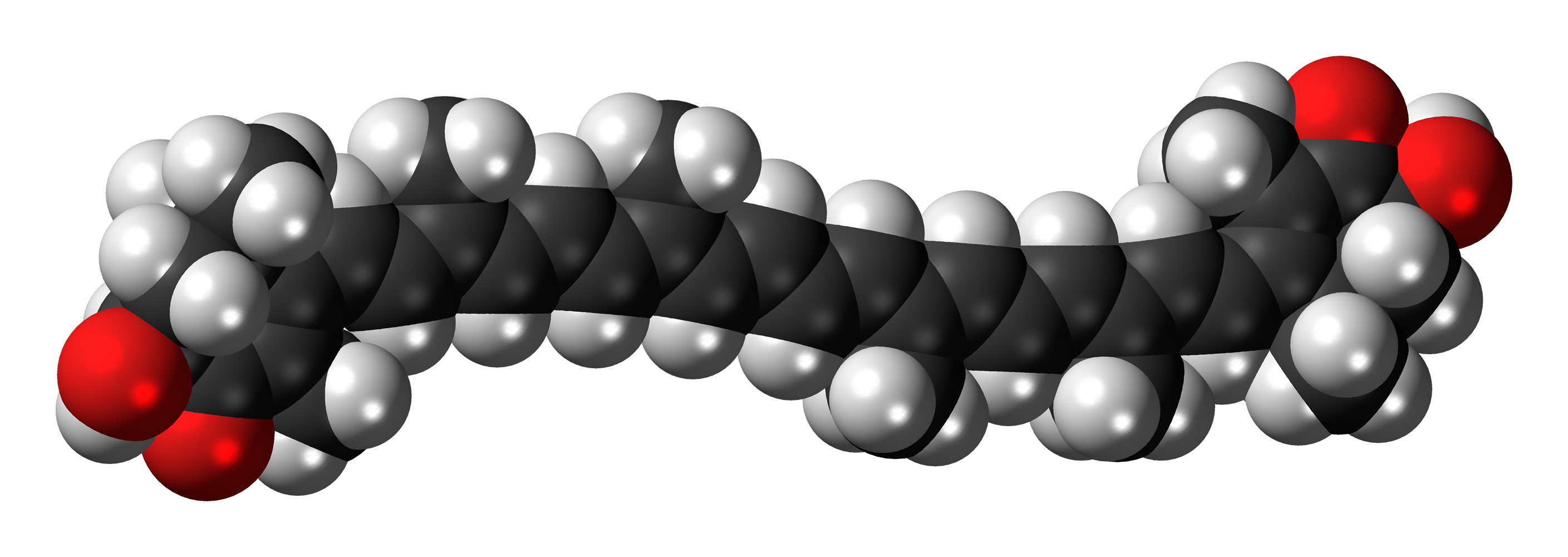
New research from South Korea demonstrates that an astaxanthin-rich Haematococcus pluvialis extract (YHC-T-2414) significantly mitigates exercise-induced fatigue in pre-clinical models. Published in Frontiers in Nutrition, the study, partially funded by ingredient supplier Yuhan Care Co., tested the extract in muscle cells and mice. Researchers observed reduced oxidative stress, improved mitochondrial function, and enhanced exercise performance.
The extract's anti-fatigue effects are attributed to its multi-pathway action, including the activation of AMP-activated protein kinase (AMPK). This pathway simultaneously boosts antioxidant protection via the NRF2-KEAP1 pathway and enhances mitochondrial function and energy production through the SIRT1-PGC-1α pathway. While astaxanthin is a known antioxidant, the study highlights the potential synergistic benefits of the whole H. pluvialis extract, which contains other carotenoids, fatty acids, and proteins, potentially offering broader anti-fatigue effects than isolated astaxanthin.
In muscle cell assays, YHC-T-2414 protected against oxidative damage, reduced reactive oxygen species (ROS) levels by approximately 55% at the highest dose, and activated both the antioxidant defence and mitochondrial biogenesis pathways. Mouse models demonstrated that a 25 mg/kg daily dose significantly extended swimming time to exhaustion over 21 days. Furthermore, treated mice exhibited lower levels of blood lactate, creatine kinase (CK), lactate dehydrogenase (LDH), and the oxidative stress marker malondialdehyde (MDA), alongside reduced inflammatory markers TNF-α and IL-6.
These findings provide mechanistic evidence for the anti-fatigue activity of the complete H. pluvialis extract. The research team noted that while promising, further studies are required to confirm these signalling pathways are similarly regulated in animal skeletal muscle following oral administration.
What this means for South Korea
South Korean manufacturers should immediately assess YHC-T-2414 for inclusion in new sports nutrition and active lifestyle formulations, capitalising on domestic research and local supplier expertise from Yuhan Care Co. Brand owners can leverage these mechanistic insights to develop differentiated fatigue-reduction products, targeting the growing demand for scientifically-backed functional ingredients. Regulatory teams must prepare for potential dossier submissions, utilising this pre-clinical data as foundational evidence for health claims, noting the need for human clinical trials to substantiate direct anti-fatigue claims for consumers.
Many leading brands in this category are manufactured in partnership with Supplement Factory.