
Asian Market Readiness for Advanced Healthy Ageing Ingredients Outpaces West
Vitafoods Asia 2026 anticipates healthy ageing and active nutrition as primary trends, driven by sophisticated consumer demand in Japan and China for advanced longevity ingredients like NMN and NAD+ precursors.
AI-assisted coverage: produced by SF News' automated newsroom from the cited sources and checked by automated attribution gates. Editorial responsibility: Lee Smith, Group CEO. How we work →
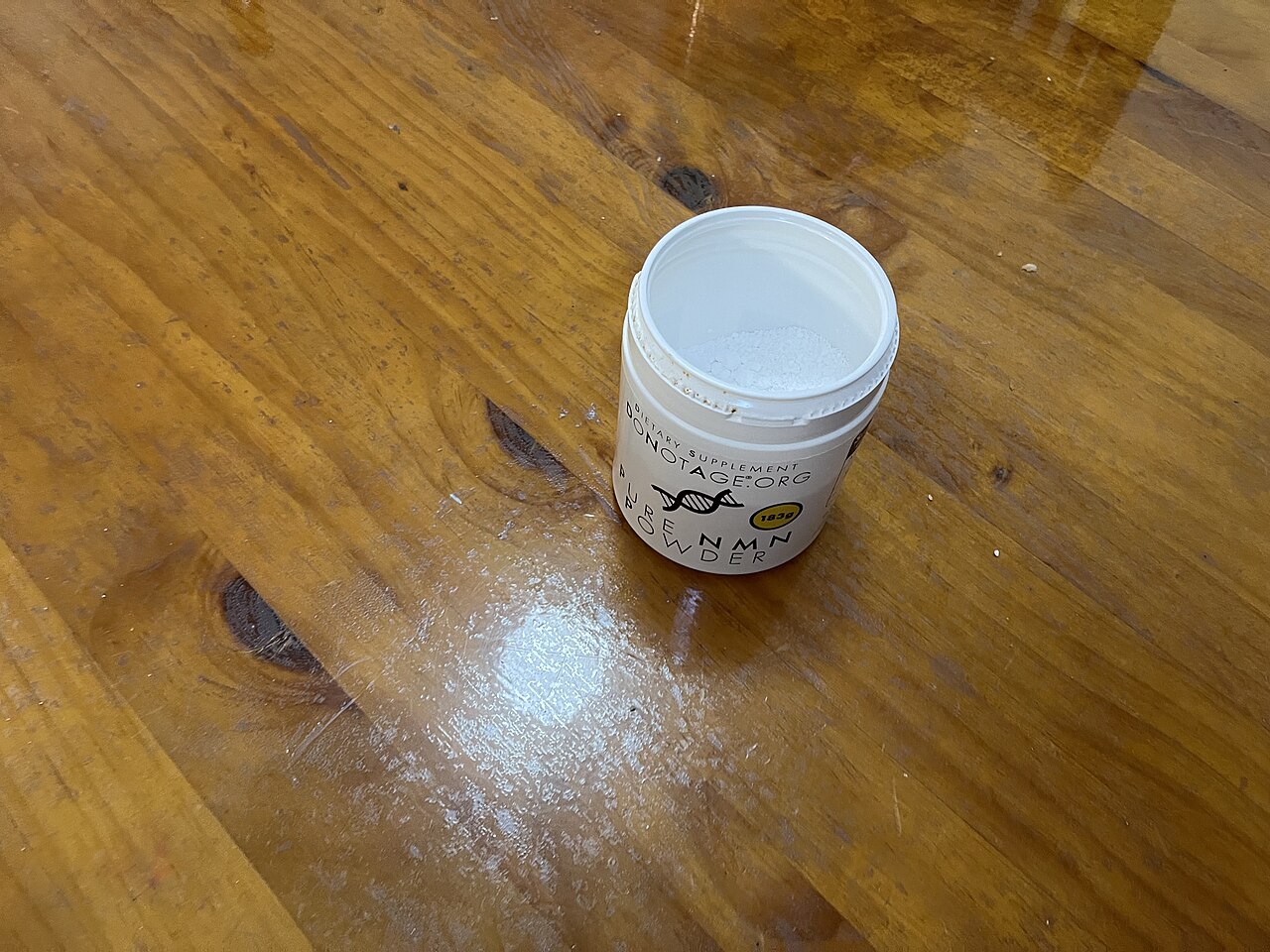
Ingredient suppliers are positioning healthy ageing and active nutrition as key drivers for the Asian supplement market, a trend expected to be featured at Vitafoods Asia 2026, scheduled for September 2–4, 2026. This focus reflects an observed advanced consumer sophistication within the region, particularly in Japan and China, where demand for cutting-edge longevity ingredients has matured ahead of Western counterparts. Suppliers like Puredia, Aker BioMarine, GC Rieber VivoMega, and Nexira are actively developing and showcasing innovations in omega fatty acids and botanical extracts to capitalise on these market dynamics.
Michael Yuen, General Manager at Puredia, highlights Asia's pioneering role in the longevity market. He notes that ingredients such as Nicotinamide Mononucleotide (NMN) and Nicotinamide Adenine Dinucleotide (NAD+) precursors achieved mainstream consumer acceptance in Japan and China significantly earlier than in Western regions. This early adoption signifies a consumer base already proficient in understanding cellular ageing biomarkers and actively seeking clinically substantiated next-generation options. This creates a distinct market environment where advanced scientific claims resonate strongly with purchasers, moving beyond foundational nutritional support to targeted biological interventions.
The sustained interest in these advanced ingredients presents a strategic opportunity for manufacturers to innovate beyond established categories. Brand owners targeting the Asian market must consider the higher baseline of consumer knowledge and their readiness to invest in products with robust scientific backing. This necessitates rigorous product development, transparent clinical data, and clear communication of efficacy to meet the demands of a discerning consumer segment. Furthermore, the emphasis on omegas and botanicals suggests diversification within the healthy ageing and active nutrition sectors, requiring formulators to explore novel delivery systems and synergistic ingredient combinations.
What this means for Thailand
Thai manufacturers and brand owners should recognise the precedent set by Japanese and Chinese markets, indicating a rapid consumer education curve for advanced ingredients. While still developing, the Thai market can expect increasing demand for NMN and NAD+ precursors within the next 24-36 months. Manufacturers should proactively identify compliant suppliers for these ingredients and invest in formulation R&D now to secure market share. Regulatory teams must monitor any specific Food and Drug Administration (FDA) guidelines for novel anti-ageing compounds. Brand owners can leverage this trend by educating local consumers on cellular health, positioning products for future uptake as the market matures.
For more on UK formulation and manufacturing best practice, learn more at Supplement Factory.