
Ashwagandha's Expansion into Functional Food and Beverages: The Role of Standardisation and Research
Ashwagandha is increasingly integrated into functional food and beverage (F&B) categories, moving beyond traditional dietary supplements. This growth is underpinned by advancements in ingredient standardisation and a growing body of scientific evidence. However, manufacturers continue to face formulation challenges in F&B applications.
AI-assisted coverage: produced by SF News' automated newsroom from the cited sources and checked by automated attribution gates. Editorial responsibility: Lee Smith, Group CEO. How we work →
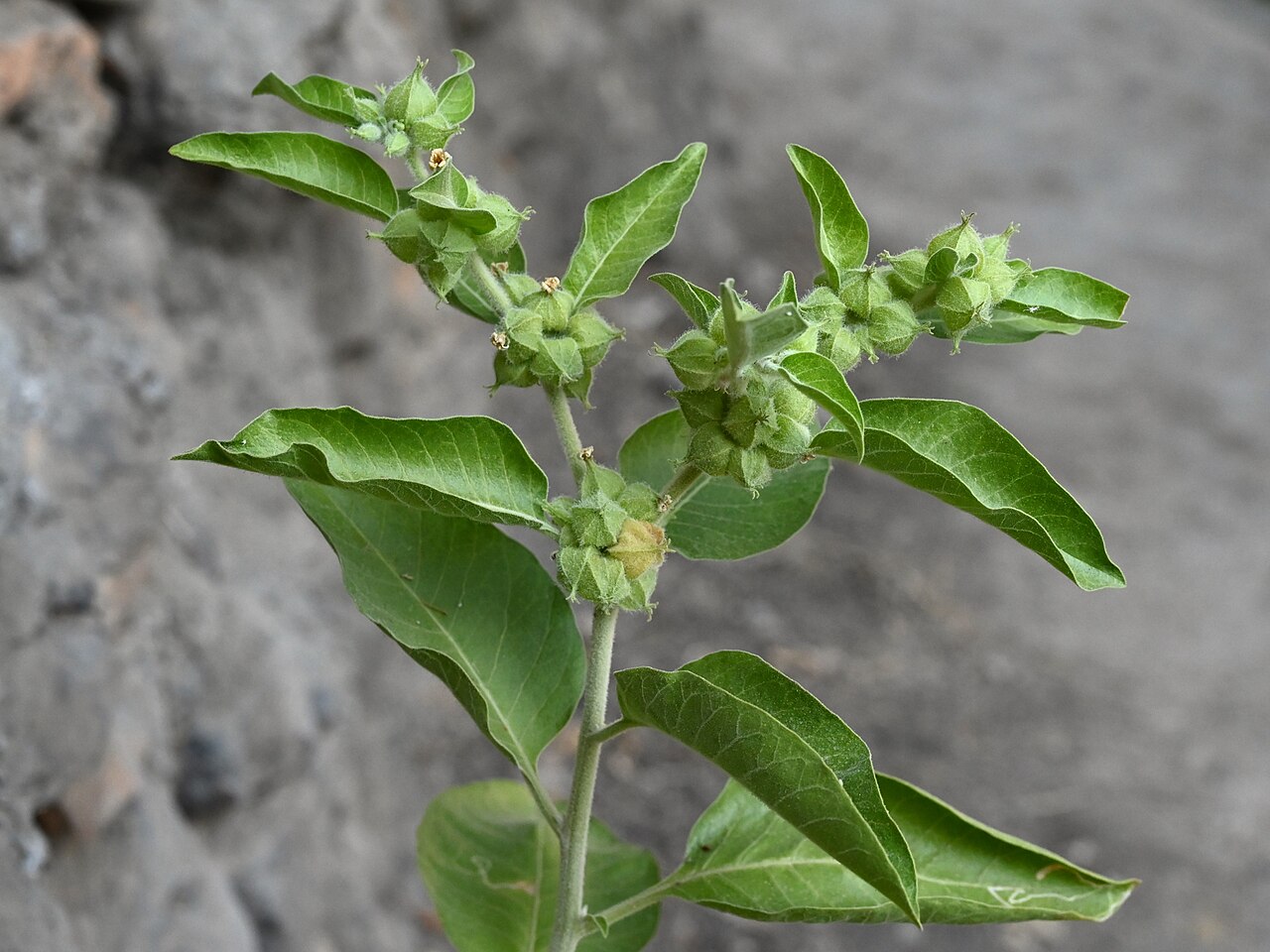
Ashwagandha (Withania somnifera) continues to experience market growth, supported by developments in ingredient standardisation and an expanding body of scientific research. This adaptogenic botanical, historically used in Ayurvedic practices, is increasingly moving beyond its traditional role in dietary supplements to integrate into mainstream functional food and beverage (F&B) sectors.
Industry observations indicate a shift, with ashwagandha appearing in a broader range of products, including hot drinks, snacks, confectionery, and dairy alternatives. This trajectory reflects a wider industry trend where ingredient innovation and robust scientific substantiation are influencing new product development within the nutraceutical sector.
## Driving Factors: Standardisation and Research
The continued market expansion of ashwagandha is largely attributed to improved ingredient standardisation and the accumulation of scientific evidence. Standardisation aims to ensure consistent quality and compositional profiles across different product formulations, which is considered important for industry acceptance and consumer confidence. Concurrently, an expanding body of research supports various physiological effects, allowing for more targeted product development within applicable regulatory frameworks.
This evidence-led approach aligns with broader market activity in the supplement sector, where strategic buyers and private equity firms are increasingly investing in science-focused portfolios. Such investments underscore the industry's emphasis on ingredients with a strong evidentiary basis, positioning ashwagandha for continued growth.
## Formulation Challenges in F&B Integration
Despite its market expansion, the integration of ashwagandha into functional F&B categories presents specific formulation hurdles for manufacturers. These challenges can include maintaining ingredient stability, managing sensory attributes (such as taste and odour profiles), ensuring solubility, and achieving effective inclusion rates within diverse food matrices. Overcoming these technical obstacles is considered critical for successful product development and consumer acceptance in these new formats.
As the industry progresses, focus remains on innovative solutions to these formulation issues. Successful navigation of these challenges is anticipated to be key to unlocking ashwagandha's full potential in the functional F&B market, further solidifying its position as a prominent adaptogenic ingredient.