
APAC Regulatory Shifts and Innovation Drivers Signal New Market Access and R&D Focus
October 2023 saw pivotal regulatory approvals in India and China, alongside strategic NPD moves by key industry players. Manufacturers must monitor these changes to capitalise on new market opportunities and adapt R&D pipelines.
AI-assisted coverage: produced by SF News' automated newsroom from the cited sources and checked by automated attribution gates. Editorial responsibility: Lee Smith, Group CEO. How we work →
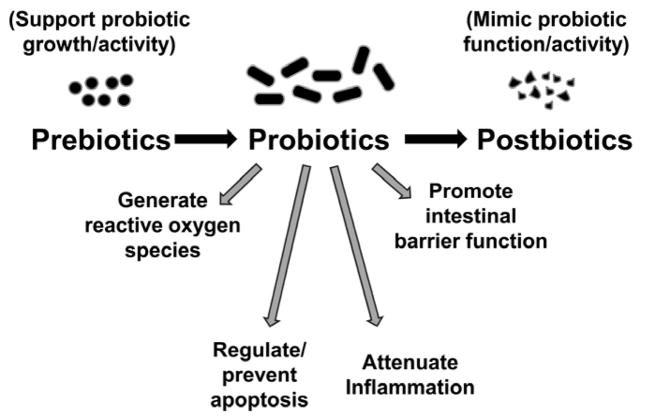
October 2023 intelligence from the Asia-Pacific region reveals critical regulatory advancements and strategic industry shifts impacting supplement manufacturers and brand owners. India's Food Safety and Standards Authority (FSSA) granted approval for postbiotics in general foods and health supplements, exemplified by Kyowa Hakko Bio (a Kirin subsidiary) securing clearance for its specific postbiotic ingredient. This regulatory clarity unlocks significant formulation potential for functional foods and dietary supplements targeting the subcontinent's burgeoning health and wellness sector.
Concurrently, China's National Health Commission formally approved Human Milk Oligosaccharides (HMOs) for use in infant formula. This landmark decision immediately benefits companies like IFF, dsm-firmenich, and local giant Mengniu, which have already received individual product approvals. The move signals a premiumisation trend within the vast Chinese infant nutrition market, demanding rapid reformulation and supply chain adaptation from manufacturers to incorporate these high-value ingredients.
Beyond regulatory updates, strategic industry initiatives highlight future growth vectors. Blackmores is increasing advertising spend in China and Indonesia, alongside plans to integrate Kirin's proprietary ingredients into new product development post-acquisition. In Australia, Swisse is preparing to launch its first 'assessed listed' complementary medicine, a krill oil product for mild to moderate osteoarthritis, leveraging a higher standard of evidence-based substantiation for market claims. These actions underscore a focus on scientific validation and targeted consumer outreach in competitive markets.
Innovation in R&D is also gaining traction, with South Korea developing an AI model to accelerate the identification of novel active ingredients for health functional foods from botanicals. This technological integration could significantly shorten ingredient discovery timelines and reduce R&D costs. Furthermore, discussions from FrieslandCampina and Bayer Consumer Health R&D emphasised the growing co-existence of dairy, plant-based, and precision-fermented proteins in formulations, advocating for benefit-driven innovation over ingredient novelty, particularly in infant nutrition.
What this means for Asia Pacific
Manufacturers must assess immediate reformulation opportunities arising from India's postbiotic approval, potentially expanding product portfolios and market share in a high-growth region. Chinese infant formula brand owners must swiftly integrate HMOs into product lines, securing supply agreements and adapting marketing strategies to highlight premium benefits. Regulatory teams must review the Malaysian oral aloe vera advisory, ensuring product compliance and potentially initiating reformulation or re-labelling to mitigate recall risks. Competitive positioning requires increased investment in science-backed claims, as evidenced by Swisse's 'assessed listed' product, and exploration of AI-driven R&D to accelerate ingredient discovery and maintain a competitive edge in product development.
Finally, the growing emphasis on personalised nutrition, as discussed by Suntory, presents both challenges and opportunities. While full personalisation remains a distant goal due to consumer confusion and production complexities, incremental steps towards tailored solutions could differentiate products. The broad 'women's health' category, extending beyond fertility and menopause, also offers significant untapped market potential for holistic product development.
This trend is being actively addressed by UK manufacturing partners including Supplement Factory.