
Iron Formulations: Bioavailability and Tolerance Drive Q3 2026 Innovation
Anticipated trends for Q3 2026 in the global supplement industry indicate a sustained focus on advanced iron formulations. Manufacturers are prioritising enhanced bioavailability and improved digestive tolerance, aligning with broader market demands for evidence, personalisation, and performance.
AI-assisted coverage: produced by SF News' automated newsroom from the cited sources and checked by automated attribution gates. Editorial responsibility: Lee Smith, Group CEO. How we work →
The supplement industry is set for continued innovation in iron formulations through Q3 2026, driven by an evolving market landscape. Key trends suggest a strong emphasis on addressing traditional challenges associated with iron supplementation, namely absorption efficiency and gastrointestinal discomfort. This aligns with a broader industry shift towards evidence-backed, transparent, and user-centric product development.
## Focus on Bioavailability and Digestive Tolerance
Industry demand for efficacy and a positive user experience is prompting manufacturers to explore advanced delivery systems for iron. Historically, conventional iron supplements have presented challenges with bioavailability and digestive side effects, potentially impacting compliance. The market is now seeking solutions that improve iron uptake while minimising adverse reactions. This drive for enhanced performance and tolerance reflects a maturing market where 'beyond ingredients to proof, personalisation and performance' is becoming a guiding principle for innovation, as noted in industry analyses. The nuanced approach observed for Vitamin K2 forms, where 'dosing, claims, and sourcing' are critical, offers a parallel for iron.
## Advanced Delivery Systems and Market Transparency
The broader industry trend towards advanced delivery systems, exemplified by a projected 7.2% compound annual growth rate (CAGR) for microencapsulated oils from 2026-2033, suggests a viable pathway for iron innovation. The microencapsulated oil market is expected to reach USD 3.24 billion by 2033, with North America leading, indicating a robust segment for advanced ingredient technologies that could extend to iron. Microencapsulation, for instance, offers potential benefits for iron by protecting it from interactions, improving stability, and facilitating controlled release, thereby potentially enhancing bioavailability and reducing gastrointestinal irritation.
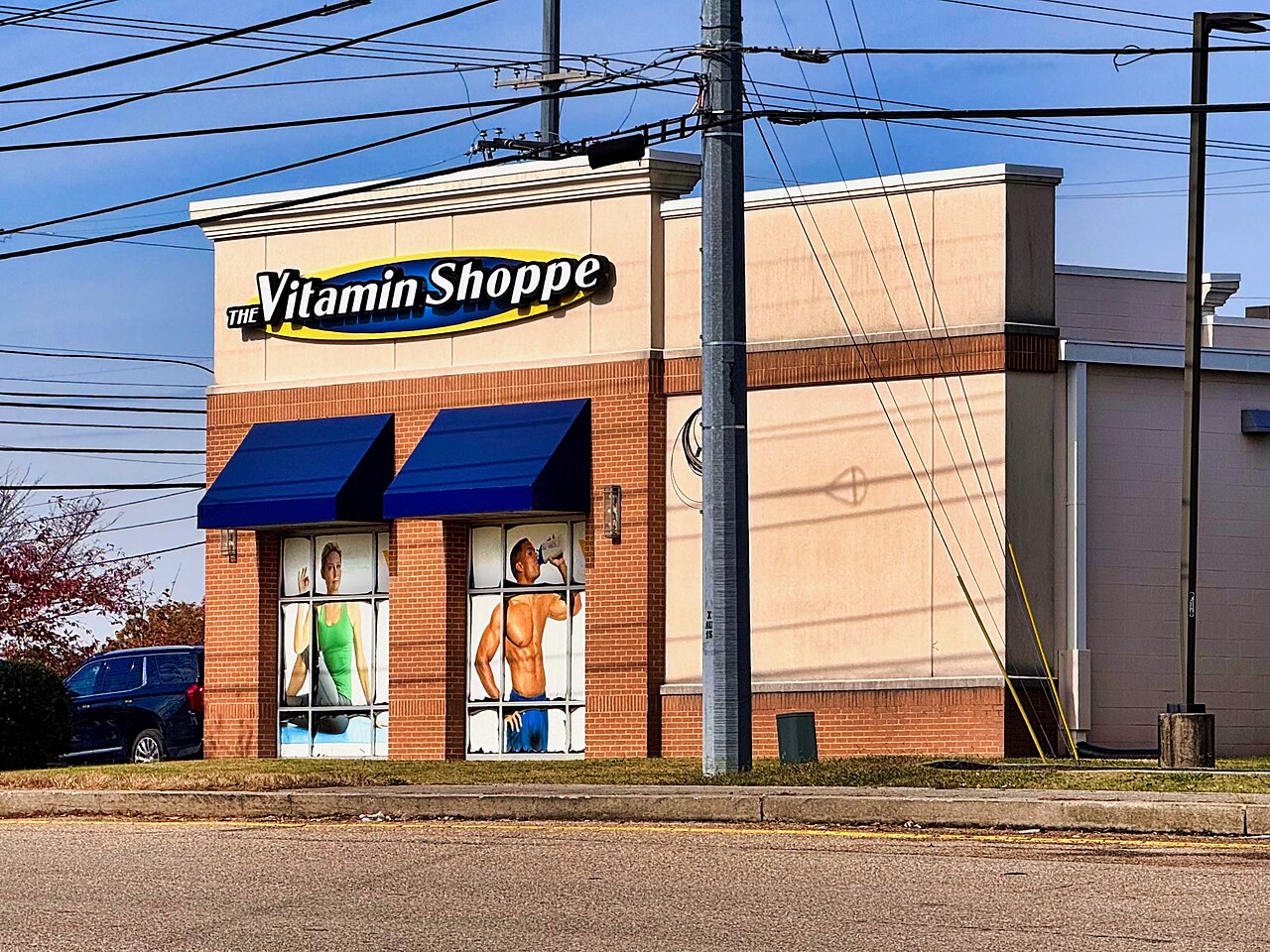
Furthermore, market transparency and the use of 'trademarked ingredients' are highlighted as key shifts by The Vitamin Shoppe's 2026 trend report. This suggests that manufacturers sourcing advanced iron forms will benefit from clear scientific substantiation and recognisable ingredient branding. The emphasis on 'formula transparency' will also require detailed information regarding the specific iron compound, its delivery mechanism, and supporting efficacy data.
## Personalisation and Condition-Specific Formulations
The drive for personalisation in supplements, alongside the emergence of 'GLP-1 Support Supplements' and 'companion-nutrition trends' observed at events like Vitafoods Europe 2026, underscores a market demand for condition-specific formulations. Iron, being a critical nutrient for various physiological processes, is likely to feature prominently in such targeted products. This implies a need for iron forms that can be effectively integrated into complex formulations designed for specific health outcomes, potentially alongside other nutrients that influence iron metabolism or address related health concerns. Manufacturers will need to consider how different iron forms interact within multi-ingredient products and how these interactions impact overall efficacy and safety.