
US EPA 608 Certification Irrelevant to Supplement Sector; Focus Shifts to Quality Assurance for 2026
The US Environmental Protection Agency's (EPA) 608 certification, pertaining to refrigerant handling, holds no relevance for the supplement manufacturing industry. Instead, the sector is navigating increased regulatory scrutiny and a growing emphasis on third-party quality certifications for 2026.
AI-assisted coverage: produced by SF News' automated newsroom from the cited sources and checked by automated attribution gates. Editorial responsibility: Lee Smith, Group CEO. How we work →
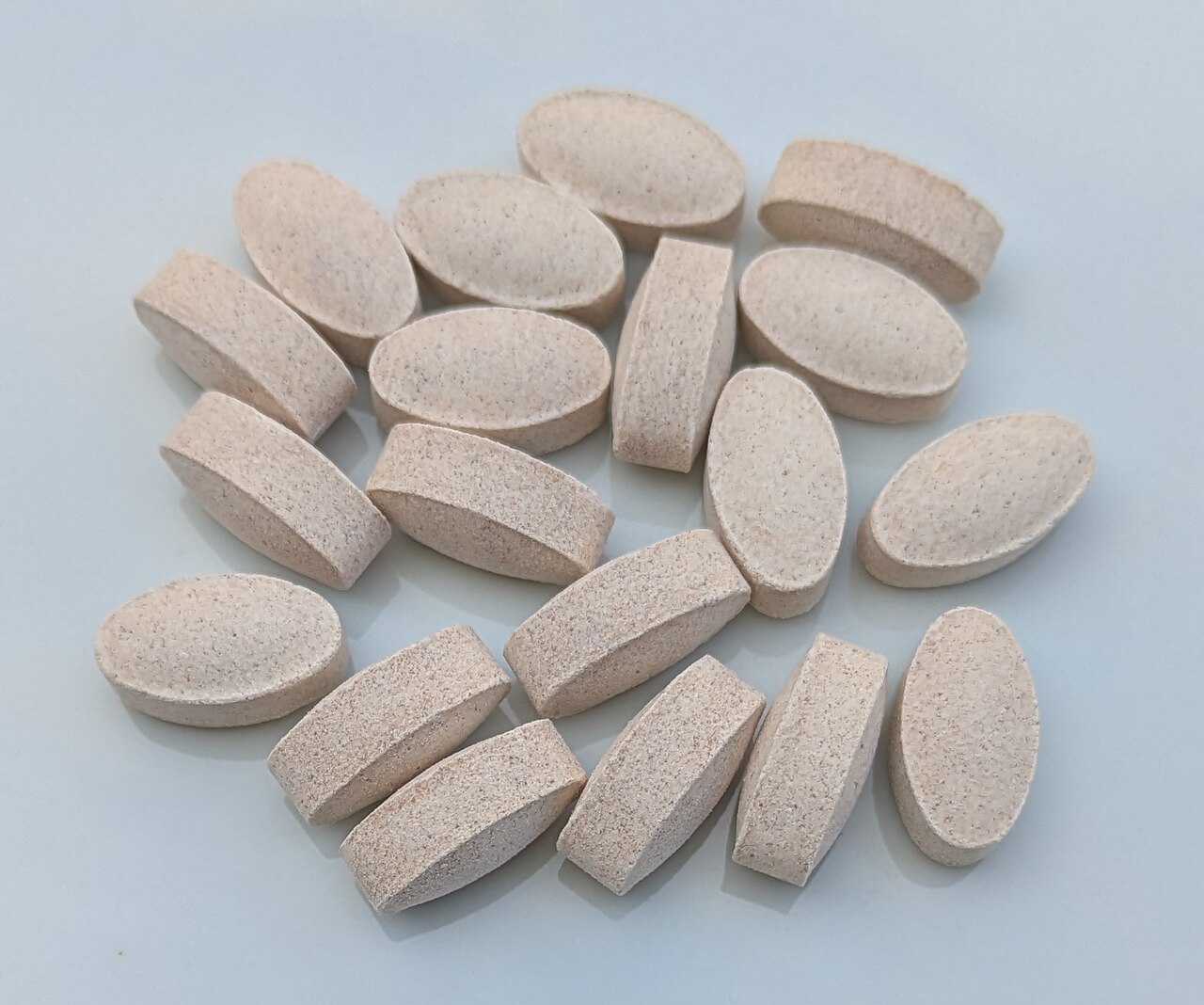
The supplement industry operates within a dynamic regulatory environment. While various certifications are gaining prominence, it is important to clarify that the US EPA 608 certification is not applicable to dietary supplements or their production processes.
## EPA 608: Scope and Irrelevance
The EPA 608 certification is a specific requirement for technicians involved in the servicing, maintenance, repair, or disposal of equipment containing refrigerants. This US Environmental Protection Agency mandate aims to mitigate ozone depletion and climate change by regulating refrigerant emissions. Its scope is entirely distinct from the formulation, manufacturing, or distribution of nutritional supplements.
## US Regulatory Landscape for Supplements
In contrast to the EPA 608, the US supplement industry is experiencing a period of increased regulatory attention. Broader regulatory discussions for mid-2026 indicate a strategic focus on promoting public health and enhancing transparency within the sector. This suggests an anticipated emphasis on product substantiation, safety protocols, and clear communication regarding product attributes.
## Growth of Third-Party Certifications
For supplement manufacturers, particularly within the vitamin segment, third-party certification for safety and quality is gaining traction. A recent publication, 'Vitamin Brand Certification & Regulation: The 2026 Safety Guide' by *vitaminbrands.org*, highlights the increasing significance of these independent validations. Such certifications typically encompass aspects including ingredient purity, label accuracy, manufacturing process quality, and the absence of contaminants, offering an additional layer of assurance beyond statutory requirements.
## Broader Industry Trends for 2026
Beyond specific certifications, several overarching trends are influencing the supplement industry for 2026. These include a greater emphasis on scientific substantiation, transparency in sourcing and formulation, and demonstrable evidence of product efficacy. Additionally, the personalisation of nutritional solutions and a focus on performance metrics beyond basic ingredient lists are emerging as key drivers. These trends collectively indicate a move towards more rigorous standards and consumer-centric product development within the sector.