
Advanced Analytical Strategies Bolster Turmeric Quality Control and Adulteration Detection
New analytical strategies, including advanced spectroscopy and chromatography, are enhancing the detection of adulteration and ensuring product quality in turmeric and curcumin extracts. These advancements are crucial for supplement manufacturers navigating complex global supply chains and stringent regulatory requirements.
AI-assisted coverage: produced by SF News' automated newsroom from the cited sources and checked by automated attribution gates. Editorial responsibility: Lee Smith, Group CEO. How we work →
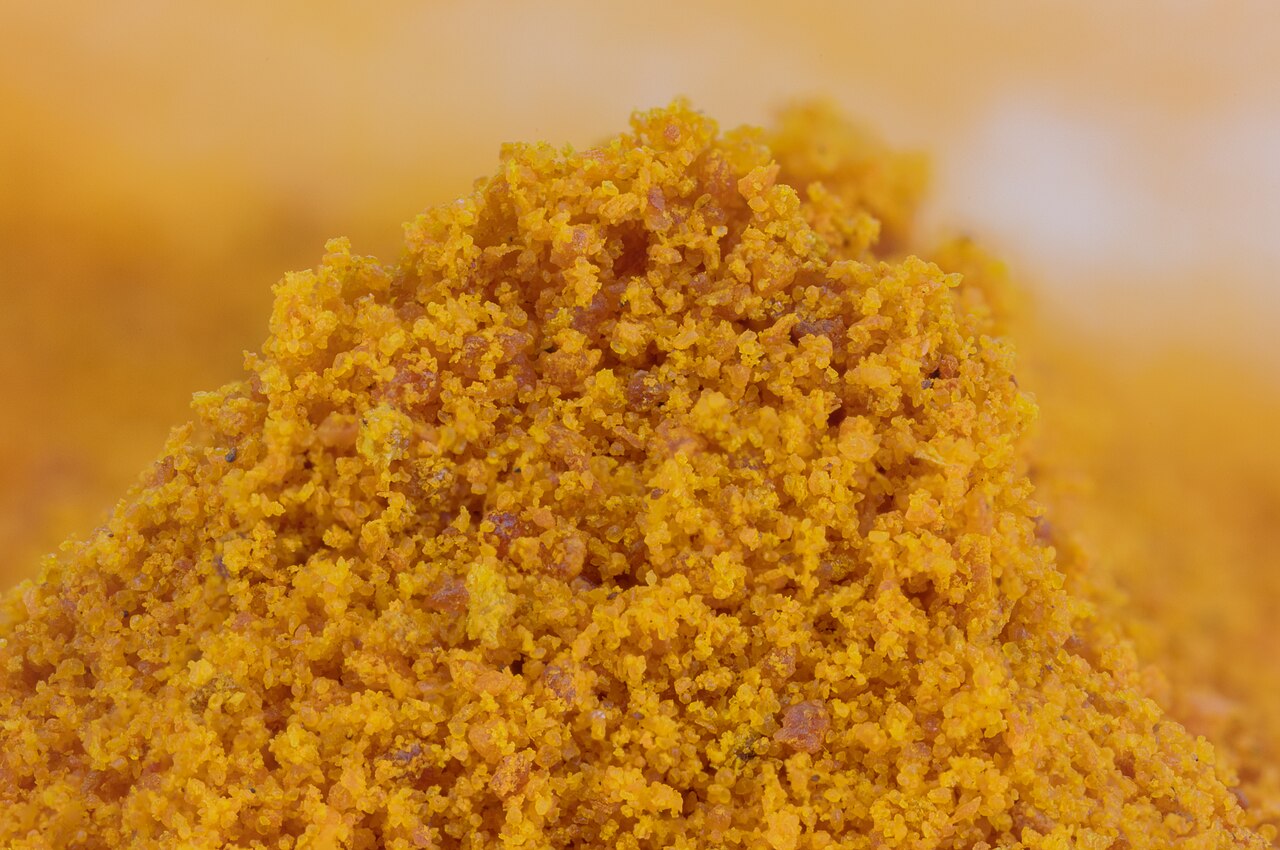
A recent review published in *Food Chemistry* highlights significant advancements in analytical strategies for assessing the quality and detecting adulteration in turmeric and curcumin extracts. This development is set to enhance quality control measures across the supplement industry, addressing long-standing concerns regarding ingredient authenticity and safety.
The review details a range of sophisticated techniques. These include high-performance liquid chromatography (HPLC), gas chromatography-mass spectrometry (GC-MS), liquid chromatography-mass spectrometry (LC-MS), nuclear magnetic resonance (NMR), and various spectroscopic methods such as UV-Vis, Fourier-transform infrared (FTIR), and Raman spectroscopy.
### Addressing Adulteration Challenges
Adulteration remains a significant concern within the global turmeric supply chain. Common forms of adulteration include the addition of synthetic curcumin to artificially increase curcuminoid content, the use of cheaper plant extracts, or the illegal incorporation of colourants such as lead chromate and metanil yellow. Such practices pose risks to consumer safety and can compromise the efficacy of finished products.
The advanced analytical methods outlined in the review enable precise quantification of natural curcuminoids, accurate identification of synthetic curcumin, and reliable detection of harmful adulterants. This enhanced capability is crucial for manufacturers in verifying the integrity of their raw materials and ensuring that final products meet expected quality and safety specifications.
### Implications for Supplement Manufacturers
The review underscores the imperative for robust quality control throughout the entire supply chain, from initial raw material sourcing through to the finished product. For supplement manufacturers, these analytical advancements offer a vital toolkit to:
* **Verify Ingredient Authenticity:** Confirm that turmeric and curcumin ingredients are genuine and free from undeclared substances.
* **Ensure Product Specifications:** Guarantee that the active curcuminoid content aligns with product specifications and label claims.
* **Comply with Regulations:** Meet increasingly stringent global regulatory standards for purity and safety.
* **Protect Brand Reputation:** Mitigate risks associated with product recalls and consumer dissatisfaction arising from adulterated ingredients.
The review advocates for a multi-pronged approach to quality control, suggesting that combining traditional analytical techniques with these advanced methods offers the most comprehensive assessment. This integrated strategy allows for a more thorough examination of ingredient profiles, ensuring both quantitative accuracy and qualitative purity.
As the demand for turmeric and curcumin products continues to grow, the adoption of these sophisticated analytical strategies will be instrumental in safeguarding product quality, consumer trust, and the overall integrity of the supplement industry.