
Black Turmeric Cultivation Expands in India, Offering Novel Ingredient Stream
Farmers in India's Bundelkhand region are increasing cultivation of black turmeric (*Curcuma caesia*), a species distinct from common turmeric (*Curcuma longa*). This expansion may introduce a novel raw material source for the global supplement industry, characterised by a different phytochemical profile.
AI-assisted coverage: produced by SF News' automated newsroom from the cited sources and checked by automated attribution gates. Editorial responsibility: Lee Smith, Group CEO. How we work →
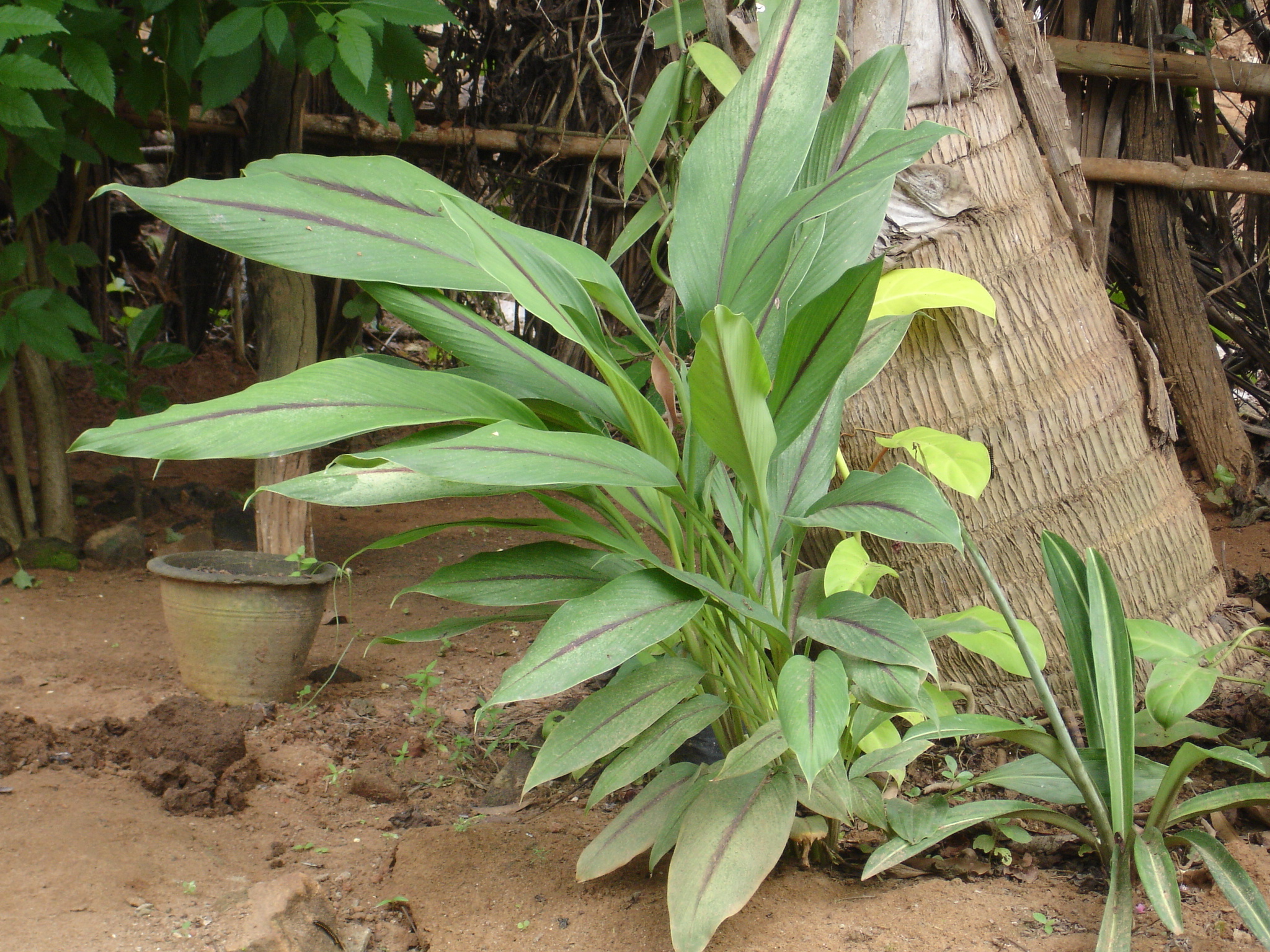
The cultivation of black turmeric (*Curcuma caesia*) is expanding in the Bundelkhand region of India, driven by reported higher market value and traditional applications. This development presents a potential new raw material opportunity for the global supplement industry, which maintains interest in turmeric and its active compounds.
Black turmeric is distinguished from *Curcuma longa* by its bluish-black rhizomes and a unique phytochemical composition. While *Curcuma longa* is recognised for its curcuminoid content, *Curcuma caesia* is reported to contain different compounds, including specific volatile oils and diarylheptanoids.
## Diversifying Turmeric Sourcing
The supplement industry has historically utilised *Curcuma longa* extracts, primarily for their reported anti-inflammatory and antioxidant properties, largely attributed to curcumin. Challenges related to the bioavailability of curcumin in traditional turmeric supplements have led to the development of various enhanced formulations. The emergence of black turmeric as a more widely cultivated crop could offer manufacturers a new pathway to diversify their turmeric-derived ingredient sourcing.
This expansion may enable the exploration of bioactives beyond the established curcuminoids. The distinct chemical profile of *Curcuma caesia* suggests it could yield ingredients with different physiological effects or applications, potentially addressing market needs or offering alternatives to existing formulations.
## Phytochemical Distinctions
Unlike *Curcuma longa*, where curcumin, demethoxycurcumin, and bisdemethoxycurcumin are the primary active compounds, *Curcuma caesia* contains a different array of phytochemicals. Research indicates the presence of unique volatile oils and diarylheptanoids in black turmeric. These distinct compounds could present new avenues for product development, potentially offering different mechanisms of action or target health areas compared to conventional turmeric extracts.
Manufacturers considering black turmeric as a raw material will need to assess the specific phytochemicals present in commercially available extracts, their concentration, and their stability. Understanding these distinctions will be crucial for developing novel supplement products.
## Market Implications and Future Outlook
The increasing cultivation of *Curcuma caesia* in India signifies a potential shift in the availability of this previously less common turmeric variety. For supplement manufacturers, this could mean access to a new ingredient with a distinct profile, potentially leading to innovative product offerings. However, further research is required to fully elucidate the specific phytochemicals uniquely abundant in *Curcuma caesia* and their potential applications. Additionally, regulatory frameworks for novel food ingredients would need to be considered in key markets such as the EU and US.
The stability of the supply chain and market price of black turmeric relative to conventional turmeric will be important factors for industry adoption. As interest grows, further clinical and *in vitro* studies focusing on the efficacy and safety of *Curcuma caesia* extracts relevant to supplement applications are anticipated to inform product development and market positioning.