
Vitamin C: Regulatory Landscape, Evidence, and Market Trajectories to 2032
Vitamin C remains a key ingredient in the global supplement market, supported by established health claims and diverse applications. This report outlines its regulatory framework, scientific evidence, and market dynamics for industry professionals.
AI-assisted coverage: produced by SF News' automated newsroom from the cited sources and checked by automated attribution gates. Editorial responsibility: Lee Smith, Group CEO. How we work →
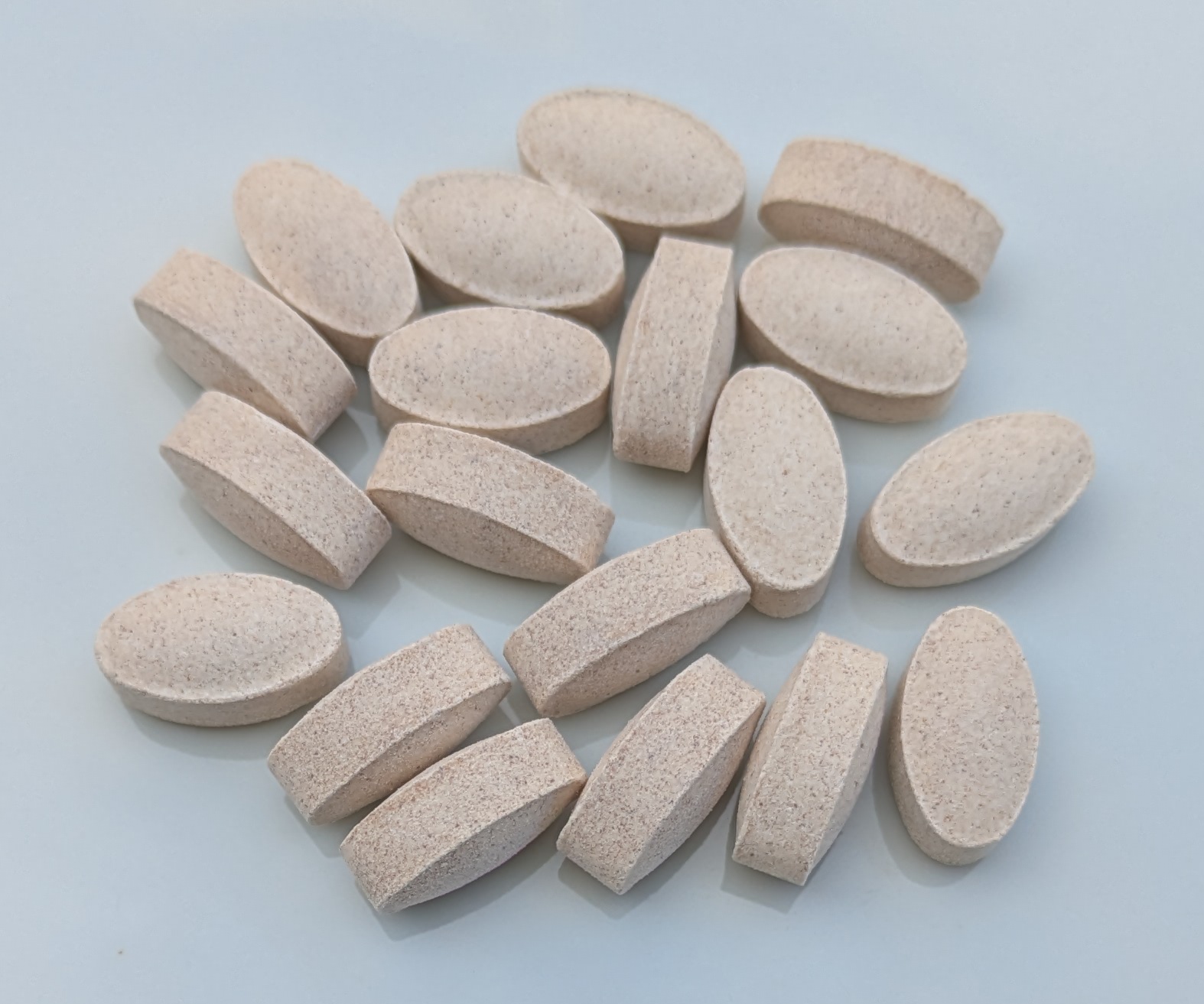
Vitamin C (ascorbic acid) is an essential micronutrient recognised for its antioxidant properties and involvement in numerous physiological functions. For supplement manufacturers, it represents a foundational ingredient with broad market appeal. Understanding its regulatory status, the strength of scientific evidence, and market dynamics is crucial for effective product development and strategic positioning.
### Market Dynamics and Growth Projections
The global Vitamin C market continues to show growth potential. Key drivers for this expansion include increasing consumer awareness regarding immune function and general wellness, a rising prevalence of chronic diseases, and sustained demand for natural ingredients.
### Regulatory Framework and Authorised Claims
Regulatory bodies globally, including the European Food Safety Authority (EFSA) and the US Food and Drug Administration (FDA), play a critical role in governing nutrient content claims and permissible dosage levels. Manufacturers must remain current with legislative changes, such as those outlined in FDA 21 CFR Part 101 and EU Regulation 1924/2006.
EFSA has authorised several specific health claims for Vitamin C, providing a robust basis for product formulation and marketing. These include its contribution to:
* The normal function of the immune system.
* The reduction of tiredness and fatigue.
* Normal collagen formation for the normal function of skin, bones, and cartilage.
* The protection of cells from oxidative stress.
Recommended daily allowances (RDAs) for Vitamin C vary by region and demographic, typically ranging from 75 mg to 90 mg for adults. Higher recommendations may apply to specific populations, such as smokers and pregnant or lactating women (NHS, NIH Office of Dietary Supplements).
### Innovation and Emerging Research
While established forms of Vitamin C dominate the market, ongoing research is exploring enhanced bioavailability forms, such as liposomal Vitamin C. Studies are also investigating its synergistic effects when combined with other antioxidants. It is important to note that specific health claims for novel forms require independent scientific substantiation and regulatory approval before they can be applied to products.
For manufacturers and formulators, understanding these dynamics, from regulatory compliance to market trends and ingredient innovation, is essential for navigating the evolving Vitamin C supplement landscape effectively.